
You may be experiencing crisis fatigue, a phenomenon that can significantly impact your productivity and well-being in the workplace. Recognizing the signs of this fatigue is vital, as it can lead to decreased motivation and increased stress levels. Implementing strategies to manage and mitigate these effects is crucial for maintaining your performance and mental health. Prioritizing self-care, fostering open communication, and setting realistic goals can help you navigate these challenging times more effectively, ensuring that your work environment remains supportive and healthy.
Fatigue can significantly impact your productivity and mental health in the workplace. As you navigate through challenging times, recognizing the signs of crisis fatigue is imperative to maintain your well-being. Developing strategies to combat this weariness, such as setting boundaries and prioritizing self-care, can lead to improved focus and resilience. Understanding and addressing these challenges will empower you to foster a healthier work environment and enhance your overall performance in times of crisis.
Key Takeaways:
- Recognize signs of crisis fatigue to address employee well-being effectively.
- Implement regular check-ins and flexible work policies to support mental health.
- Encourage open communication and provide resources for stress management.
Key Takeaways:
- Implement regular check-ins to assess employee well-being and support needs.
- Encourage a culture of open communication to discuss challenges without stigma.
- Provide access to mental health resources and promote work-life balance initiatives.
Understanding Crisis Fatigue
Crisis fatigue is the mental and emotional exhaustion that results from prolonged exposure to stressful events, especially in the workplace. As you navigate ongoing challenges, this fatigue can lead to decreased morale, a sense of hopelessness, and disengagement from your work. Recognizing it early is necessary to effectively manage its impact on your productivity and overall well-being.
Definition and Symptoms
Crisis fatigue manifests through symptoms such as persistent tiredness, irritability, difficulty concentrating, anxiety, and feelings of overwhelm. You might find yourself detached from your responsibilities or lacking motivation, making it hard to maintain your usual performance levels. Identifying these signs early can help you take proactive steps to mitigate its effects.
Causes of Crisis Fatigue
Your crisis fatigue may stem from several factors, including constant workplace disruptions, heightened stress levels, and the inability to recover from stressful events. When challenges seem unending, the psychological toll can accumulate, affecting your mental resiliency and coping mechanisms.
Several dynamics contribute to crisis fatigue. For example, working consistently under high pressure without adequate breaks can lead to emotional burnout. A 2022 study found that 75% of employees reported feeling fatigued due to extended crisis conditions, emphasizing the normalized stress stemming from workplace uncertainties. In addition, interpersonal dynamics, such as lack of support from colleagues or conflicts, can intensify feelings of isolation and fatigue. Strategies to address these issues can lead to improved morale and productivity, making it necessary for you to seek solutions actively.
Understanding Crisis Fatigue
Crisis fatigue manifests as a prolonged emotional and mental exhaustion resulting from continuous exposure to stressful situations. It hampers your ability to function effectively, often leading to disengagement and a decline in overall workplace morale. This condition can arise from persistent crises, such as economic downturns or public health emergencies, affecting you and your colleagues in profound ways.
Defining Crisis Fatigue
Defining crisis fatigue involves recognizing it as a response to enduring stressors you encounter at work. It’s not just occasional burnout; instead, it represents a cumulative burden that can impair motivation, focus, and emotional stability, impacting both your personal and professional life.
Signs and Symptoms
Signs and symptoms of crisis fatigue may include persistent fatigue, irritability, and an overwhelming sense of helplessness. You might notice decreased productivity, difficulty concentrating, and an overall sense of disconnection from your work environment. Recognizing these symptoms can be the first step toward addressing your emotional well-being.
These symptoms can exhibit a range of intensities, from mild to severe. You may find yourself feeling easily frustrated, struggling to maintain focus on tasks, or even withdrawing from social interactions with coworkers. Reports have shown that employees experiencing crisis fatigue often demonstrate a significant reduction in creativity and collaboration, leading to ineffective teamwork. Addressing these early indicators can help you regain a sense of control and enhance your resilience in challenging work environments.
Recognizing the Impact on Work
Crisis fatigue can significantly disrupt your work environment. As stress levels rise, you may notice changes in team dynamics, communication breakdowns, and an overall decline in morale. This decline doesn’t just affect you; it can ripple throughout your organization, leading to increased absenteeism and conflict among team members.
Effects on Employee Well-being
The toll on your well-being can be profound. You might experience symptoms such as anxiety, irritability, and difficulty concentrating. These feelings can lead to a lack of engagement and emotional detachment from your responsibilities, which only exacerbates the feelings of fatigue.
Implications for Productivity
Your productivity may begin to falter as crisis fatigue sets in. Research shows that employees suffering from emotional exhaustion can experience a reduction in output by as much as 30%. This drop can hinder collaboration, delay project timelines, and diminish the overall quality of work.
In practical terms, this means that while you may be physically present, your effective contribution drops sharply. Projects may take longer to complete and require additional resources to bridge the gaps in performance, further taxing both you and your team. The cycle of stress and fatigue can lead to missed deadlines and increased pressure, diminishing not only your productivity but also the collective output of your organization. Investing in strategies to combat this fatigue is important for restoring normal functionality and performance levels.
Causes of Crisis Fatigue at Work
Crisis fatigue at work arises from various interconnected factors that amplify stress and reduce resilience. You may find this fatigue exacerbated by continuously navigating unpredictable environments, where changes occur rapidly and require constant adjustment. Your workload may increase dramatically during such times, leading to a buildup of responsibilities that can overwhelm even the most dedicated employees. Additionally, emotional strain associated with witnessing distressing events or supporting colleagues in crisis can amplify feelings of fatigue.
Increased Workload
When crises unfold, your workload can escalate significantly, often without notice. As organizational demands rise, you may be asked to take on more projects, cover for colleagues, or adapt to new processes. This increased pressure, coupled with existing responsibilities, results in a compounded effect that can overwhelm your capacity to perform, heightening feelings of stress and frustration.
Emotional Strain
The emotional strain tied to crisis situations is profound and often overlooked. You might find yourself grappling with feelings of helplessness or anxiety as you contend with the realities of your workplace environment. Exposure to distressing news, navigating difficult conversations, or supporting team members through their struggles can take an emotional toll. Studies indicate that employees dealing with severe emotional strain report burnout symptoms at nearly three times the rate of their less-stressed counterparts, underscoring the importance of addressing these feelings proactively to maintain your well-being.

Strategies for Individuals
Addressing crisis fatigue necessitates actionable strategies that place emphasis on both personal well-being and work-life balance. Implementing effective self-care routines and setting firm boundaries can help you navigate the challenges posed by ongoing stressors, ultimately improving your productivity and mental health.
Self-Care Practices
Incorporating self-care practices into your daily routine is vital for combating crisis fatigue. Simple activities like short walks, mindfulness exercises, or even scheduled breaks can rejuvenate your focus. Aim for at least 30 minutes of physical activity each day and consider engaging in activities that bring you joy, such as reading or hobbies, to recharge your mental batteries.
Setting Boundaries
Establishing strong boundaries is vital for maintaining your mental health during stressful times. Make it clear to colleagues and superiors when you are available for work-related tasks and when you need time for yourself. Implementing a “no work” policy after business hours can drastically reduce feelings of overwhelm, allowing you to fully disconnect and recharge.
Setting boundaries not only protects your time but also sets a standard for workplace culture. For instance, communicating your limits to team members encourages others to prioritize their own self-care, fostering an environment where work-life balance is respected. Using tools like shared calendars can clarify availability, while regular check-ins can help ensure everyone is aligned, creating a supportive atmosphere where individuals can thrive even amid crisis fatigue.
Impact of Crisis Fatigue on Employee Performance
Crisis fatigue significantly undermines employee performance, manifesting in various detrimental ways that ripple through the workplace. Your productivity levels may plummet as the constant strain of managing ongoing crises leads to a lack of focus and diminished energy. The result is not just a slow-down in individual output but also a collective decline in team effectiveness, threatening project timelines and overall business objectives.
Decreased Productivity
As crisis fatigue sets in, you might find it increasingly difficult to maintain your usual work pace. The mental weariness leaves you feeling overwhelmed, leading to missed deadlines and subpar work quality. Studies indicate that exhausted employees can show a up to 40% decline in productivity, impacting not just your performance but also the productivity of your entire team.
Employee Morale and Engagement
Feelings of disengagement and lowered morale often accompany crisis fatigue, leaving you feeling disconnected from your work and colleagues. When stress becomes chronic, your sense of purpose may fade, resulting in a disheartening drop in workplace enthusiasm. Engaged employees typically show higher job satisfaction, but prolonged crisis exposure can reverse these positive feelings, fostering a culture of discontent.
A decline in employee morale and engagement can create a vicious cycle. As you and your colleagues grapple with feelings of frustration, communication may suffer, leading to misunderstandings and reduced collaboration. This disengagement often turns you and others into passive participants rather than proactive contributors, further diminishing the team’s collective spirit. Enhancing employee engagement during crises demands consistent recognition of efforts, opportunities for open dialogue, and genuine support from leadership. By fostering an environment where employees feel valued and understood, organizations can mitigate the adverse effects of crisis fatigue and rekindle your passion for your work.
Strategies for Organizations
Organizations must implement proactive strategies to mitigate crisis fatigue among employees. By prioritizing mental health initiatives, developing clear communication channels, and fostering a supportive culture, you can cultivate a workforce that is both productive and resilient. Encouraging regular feedback and input from employees allows you to adapt strategies effectively, ensuring alignment with their needs and experiences, ultimately fostering a healthier work environment.
Supporting Employee Mental Health
Prioritizing your employees’ mental health is crucial for combating crisis fatigue. Implementing access to counseling services, workshops, and stress management courses creates a supportive atmosphere. Regular check-ins with team members enable you to gauge their well-being, allowing you to tailor resources effectively. Strengthening mental health awareness within your organization directly uplifts morale and productivity.
Creating a Resilient Work Environment
Establishing a resilient work environment hinges on open communication and collaboration. Creating flexible work arrangements helps employees manage their personal and professional lives more effectively. Additionally, fostering a culture that encourages teamwork and shared problem-solving empowers your team to tackle challenges collectively, reducing feelings of isolation and stress. Resilience training and skill-building workshops can further equip you with tools to thrive during crises.
Incorporating initiatives such as resilience training expands the skill set of your workforce. Research indicates that organizations implementing structured resilience programs see a 10-20% increase in employee engagement and productivity. By promoting teamwork through cross-functional projects, you drive camaraderie, which combats feelings of stress during tumultuous times. Flexible policies, such as remote work or adjusted hours, also enable employees to recharge. Emphasizing these practices fosters a robust support network, ensuring that when challenges arise, your employees feel prepared and capable of managing the demands of the workplace effectively.
Strategies for Managing Crisis Fatigue
Effectively managing crisis fatigue requires a multifaceted approach tailored to the unique needs of your team. By implementing specific strategies, you can foster resilience and create a supportive work culture that mitigates the adverse effects of ongoing stressors. Focus on enhancing work-life balance, developing robust support systems, and encouraging open communication to help your employees regain their footing during tough times.
Promoting Work-Life Balance
Fostering a healthy work-life balance is necessary to combatting crisis fatigue. Encourage your team to set clear boundaries between work and personal time. Consider flexible schedules or remote work options that allow them to recharge without sacrificing productivity. An emphasis on taking breaks and disconnecting after hours can significantly improve overall well-being and lead to higher job satisfaction.
Implementing Support Systems
Building effective support systems is paramount for addressing crisis fatigue. Establish protocols for regular check-ins, where you assess your team’s mental health and workload. Create peer support groups or mentorship programs that foster camaraderie and open dialogue about challenges. These systems should emphasize a culture of empathy, enabling you to recognize and respond to the emotional needs of your employees.
Moreover, implementing training for managers to identify signs of crisis fatigue can lead to more proactive interventions. Equipping leaders with the skills to foster trust and a sense of community allows employees to feel safe sharing their experiences. Consider incorporating wellness resources, such as counseling services or stress management workshops, to provide your team with additional coping strategies. By developing a comprehensive support system, you directly address the factors contributing to crisis fatigue while enhancing employee engagement and retention.
Communication and Leadership
Effective communication is vital in navigating periods of crisis. Clear messaging helps your team understand the situation, reducing uncertainty and fostering resilience. By promoting an environment where feedback flows freely, you empower employees to voice their concerns and suggest solutions, ultimately enhancing collective morale and productivity.
Transparent Communication Techniques
Utilizing transparent communication techniques involves sharing both successes and challenges openly. Regular updates about company status, available resources, and future plans build trust and connection among your team. Encouraging two-way communication ensures that you adequately address employee concerns while illustrating their value and input within the organization.
Role of Leadership in Mitigating Crisis Fatigue
The role of leadership in addressing crisis fatigue extends beyond mere acknowledgment of employee stress. Leaders must actively engage with their teams by practicing empathy and demonstrating vulnerability. This can involve sharing personal experiences or feelings, which helps humanize leadership and creates a relevant standard for openness.
A study from *Harvard Business Review* highlighted that leaders who exhibit emotional intelligence during crises can improve team morale significantly. When you prioritize clear, frequent check-ins and model self-care, you not only address fatigue but also cultivate a supportive workplace culture. Implementing strategies such as regular virtual coffee breaks, team-building exercises, or mental health workshops can create a sense of community, enhancing cohesion and morale during trying times. This dual focus on transparency and supportive leadership sets the foundation for resilience and recovery in your organization.
Building a Resilient Workplace Culture
Creating a resilient workplace culture involves fostering an environment where employees feel secure, supported, and valued. Implement initiatives that encourage teamwork and collaboration, leading to a sense of community. Regularly share resources and guidance, such as Managing Fatigue During Times of Crisis: Guidance for …, to enhance well-being and productivity. You should embed resilience practices into daily routines to empower your team in overcoming challenges effectively.
Encouraging Open Communication
Open communication is fundamental in combating crisis fatigue. You should create multiple channels for employees to express concerns and share experiences, fostering a culture of transparency. Regular check-ins and feedback mechanisms will ensure everyone feels heard and valued, enhancing connection and trust.
Providing Resources for Coping
Providing accessible resources for coping helps employees manage their stress and fatigue effectively. You should offer tools such as mental health days, counseling services, and workshops focused on stress management. Implementing these resources shows your commitment to employee well-being, ultimately enhancing morale and productivity.
For example, consider hosting workshops that focus on mindfulness and self-care strategies. Offering an Employee Assistance Program (EAP) that includes counseling and referral services can also provide vital support. You might introduce flexible work schedules, allowing employees time to recharge. Such initiatives not only promote a healthier work-life balance but also foster a work environment where individuals feel empowered to seek help without stigma.
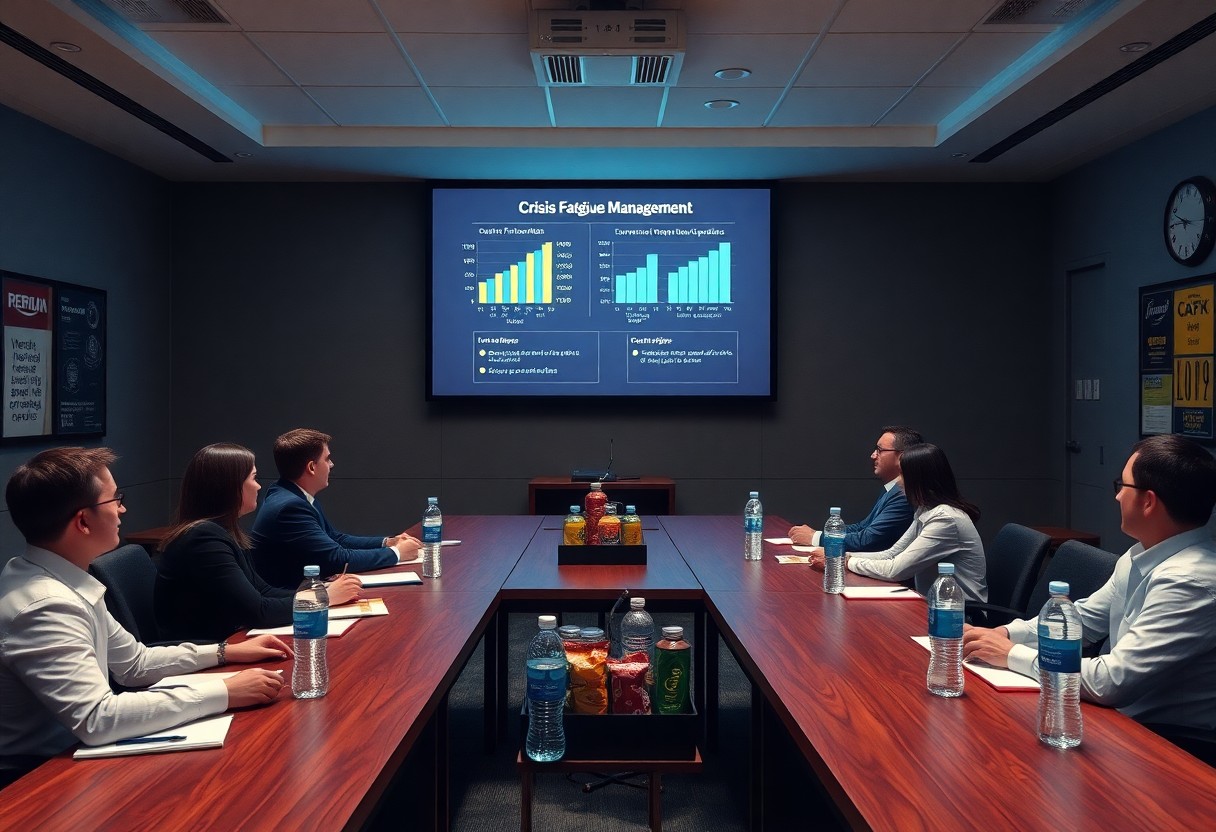
Monitoring and Assessment
Ongoing monitoring and assessment are vital for addressing crisis fatigue in your workplace. Regular feedback sessions and anonymous surveys can help you gauge employee sentiments and identify trends. Utilize tools designed to track engagement and well-being, such as pulse surveys, which allow you to stay informed about your team’s mental health status. Consider resources like Do You Have Crisis Fatigue? to better understand the signs and symptoms of fatigue within your workforce.
Measuring Employee Well-being
To effectively measure employee well-being, utilize metrics such as employee satisfaction surveys and performance analytics. Tracking absenteeism and turnover rates can also provide insight into how crisis fatigue affects your team. By implementing structured feedback mechanisms, you can understand the specific areas that need support and create targeted interventions that address your employees’ unique challenges, ultimately improving overall morale and productivity.
Adapting Strategies Over Time
Your initial strategies may need to evolve as circumstances change. Regularly assess the effectiveness of your current approaches to managing crisis fatigue. Gather employee feedback to understand which tactics resonate most and refine those that aren’t yielding results. Flexibility allows you to respond to new challenges promptly, ensuring your strategies remain relevant and effective.
Adapting your strategies over time means staying attuned to both employee needs and external factors impacting the workplace. For instance, if you notice a spike in reported stress levels following a major organizational change, consider introducing new wellness programs or mental health resources tailored to that shift. Continuously evaluating the impact of modifications ensures that you can proactively support your team, preventing fatigue from becoming an ingrained issue.
Leadership’s Role in Combating Crisis Fatigue
Leaders play a pivotal role in addressing crisis fatigue by actively engaging their teams and modeling resilience. By recognizing the signs of fatigue and openly discussing them, you create an atmosphere where employees feel safe to express their struggles. Proactive communication about challenges and strategies to cope not only alleviates feelings of isolation but also empowers the team to work collectively toward solutions.
Leading by Example
When you demonstrate healthy coping mechanisms, it sets a standard for your team. If you prioritize work-life balance and openly share your own experiences with fatigue, it encourages your employees to do the same. This transparency fosters trust and reinforces that it’s acceptable to seek support and take necessary breaks, which is vital for maintaining a healthy workplace culture.
Fostering a Supportive Environment
Building a supportive environment involves actively promoting mental health resources and encouraging open dialogue among employees. You can establish regular check-ins and create peer support groups where team members can share their feelings and coping strategies. By providing access to wellness programs and mental health days, you demonstrate your commitment to your team’s well-being, directly reducing the impact of crisis fatigue.
A supportive environment goes beyond just offering resources; it requires you to cultivate a culture that normalizes mental health conversations. For instance, implementing regular mental health assessments allows you to gauge employee well-being effectively. Facilitate training sessions focused on resilience and stress management, empowering your team with practical tools. Regularly celebrating small wins and encouraging positive feedback among colleagues fosters camaraderie, ultimately enhancing morale and reducing feelings of isolation during challenging times.
Conclusion
On the whole, effectively addressing crisis fatigue at work necessitates a proactive approach. You should prioritize self-care by setting boundaries, fostering open communication with colleagues, and seeking support when necessary. Implementing these strategies can enhance your resilience, boost productivity, and create a more positive work environment. By acknowledging the impact of crisis fatigue and taking actionable steps, you empower yourself to navigate challenges more effectively and sustainably.
To wrap up
Following this, addressing crisis fatigue at work requires your proactive engagement in self-care, establishing boundaries, and fostering open communication within your team. By prioritizing mental well-being and supporting each other, you can create an environment that not only survives challenges but thrives through them. Implementing structured breaks, promoting work-life balance, and encouraging professional development will empower you and your colleagues to navigate stress more effectively, ultimately enhancing overall productivity and morale.
FAQ
Q: What is Crisis Fatigue and how does it affect work performance?
A: Crisis Fatigue refers to the emotional, mental, and physical exhaustion that arises from prolonged exposure to stressful situations. At work, this can lead to decreased productivity, lack of motivation, increased absenteeism, and an overall decline in employee morale.
Q: What are effective strategies to manage Crisis Fatigue in the workplace?
A: Effective strategies include promoting open communication, offering flexible work arrangements, providing mental health resources, encouraging regular breaks, and fostering a supportive team environment to help alleviate stress and facilitate recovery.
Q: How can employers support employees experiencing Crisis Fatigue?
A: Employers can support employees by implementing wellness programs, ensuring access to counseling services, conducting regular check-ins, creating a culture of empathy, and encouraging work-life balance to help employees cope with the demands of crisis situations.
Leave a Reply