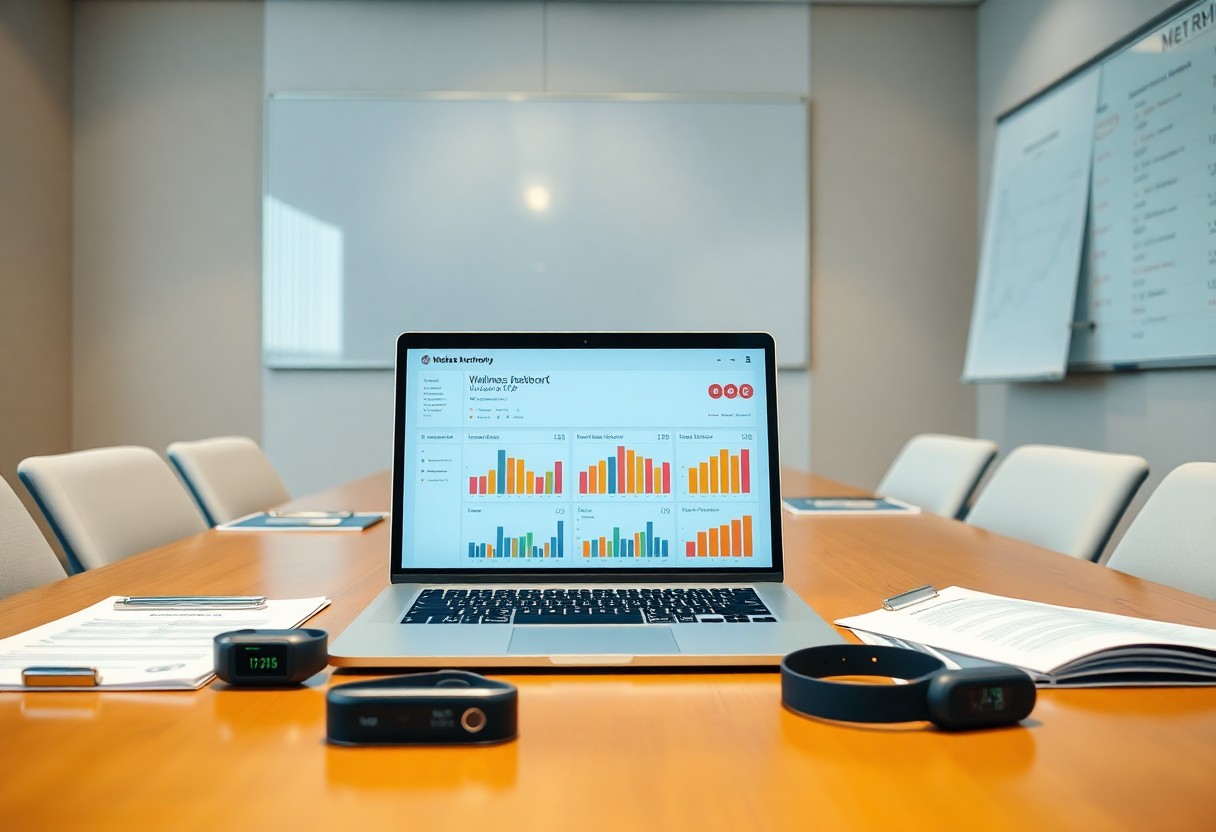
Wellness programs can reduce absenteeism by up to 25%, but only if you track the right metrics. You need to measure participation rates, health outcomes, and changes in employee productivity. Use surveys, biometric data, and cost analysis to assess real impact. A successful program shows measurable improvements in both well-being and business performance.
Key Takeaways:
- Track measurable health outcomes such as reduced absenteeism, lower healthcare claims, and improvements in biometric data like blood pressure or cholesterol levels to assess real impact.
- Employee participation rates and feedback from anonymous surveys reveal engagement levels and help identify which wellness initiatives resonate most with staff.
- Compare productivity indicators before and after program implementation, including self-reported energy levels and manager evaluations, to link wellness efforts to workplace performance.
How to Set Measurable Goals and Objectives
Clear goals shape the direction of your wellness program. You must define what success looks like by setting specific, time-bound targets such as reducing absenteeism by 15% within a year or increasing employee participation to 70% in wellness activities. Well-defined objectives turn vague intentions into trackable outcomes, making it easier to assess progress and adjust strategies effectively.
Identifying Key Performance Indicators
Key performance indicators (KPIs) help you monitor progress toward your goals. You might track metrics like participation rates, changes in biometric data, or reductions in healthcare claims. Choosing the right KPIs ensures you measure what truly reflects program impact, not just activity levels.
Establishing Baseline Metrics for Comparison
Before launching your program, collect data to create a starting point. You need to know current absenteeism rates, employee health risks, and engagement levels. Without baseline metrics, you can’t prove improvement or identify trends over time.
| Baseline Metric | Example Measurement |
| Average days absent per employee | 6.2 days annually |
| Employees with high blood pressure | 34% of workforce |
| Wellness program participation | 28% in previous year |
| Self-reported stress levels | 42% report high stress |
Understanding your starting point allows you to measure real change. You gather data through health screenings, surveys, and HR records before the program begins. These baseline metrics reveal gaps and risks unique to your workforce, enabling targeted interventions. Comparing future results to this foundation shows whether your efforts are making a difference-or if adjustments are needed.
| Follow-Up Metric | Target Improvement |
| Average days absent per employee | Reduce to 5.0 or lower |
| Employees with high blood pressure | Decrease by 10 percentage points |
| Wellness program participation | Reach 65% engagement |
| Self-reported stress levels | Drop to 30% or less |
Key factors influencing program participation
- Leadership support
- Clear communication
- Program accessibility
- Incentive structures
Success often hinges on how well employees engage, and that starts with visible leadership support. When managers actively promote the program, participation rises. Clear messaging ensures everyone understands the benefits. Accessibility removes barriers, while thoughtful incentives encourage action. Knowing how these elements interact can transform your outcomes-learn more by reviewing Using End-of-Year Data to Measure Your Wellness ….
Assessing leadership support and communication
Your leaders set the tone. When executives participate and openly endorse wellness initiatives, employees are more likely to take them seriously. Consistent messaging from management reinforces value. Silence or indifference, on the other hand, signals low priority. You need visible, ongoing engagement to build trust and drive enrollment.
Evaluating accessibility and incentive structures
Programs fail when they’re hard to join. You must ensure offerings fit diverse schedules, roles, and health levels. Flexible options and inclusive design boost reach. Incentives should reward effort, not just outcomes. Knowing what motivates your team improves uptake and fairness.
Accessibility means more than just offering a gym discount. It includes mental health resources, remote participation, language considerations, and accommodations for disabilities. Incentives work best when they’re attainable and meaningful-like extra PTO or wellness stipends. Equitable access prevents exclusion and promotes sustained involvement across all employee groups.
Measuring behavioral and health improvements
You see real progress when employees adopt healthier habits and report better health outcomes. Sustained participation in wellness activities, reduced sick days, and increased energy levels at work signal meaningful change. Positive shifts in daily behavior often precede clinical improvements, making them valuable early indicators of your program’s impact.
Tracking biometric shifts and health risk assessments
Biometric screenings reveal tangible health changes over time, such as lowered blood pressure, reduced cholesterol, or improved BMI. When you compare annual results, declining health risks across the workforce signal program effectiveness. Consistent participation in health risk assessments ensures data accuracy and identifies emerging trends.
Monitoring mental health and stress level trends
Stress levels and emotional well-being directly affect productivity and engagement. You can detect improvements through anonymous surveys measuring self-reported anxiety, sleep quality, and job satisfaction. A downward trend in reported stress correlates strongly with reduced burnout and absenteeism.
Monitoring mental health and stress level trends goes beyond annual surveys-it requires ongoing, confidential feedback channels. Pulse surveys, Employee Assistance Program (EAP) usage rates, and mental health day utilization offer real-time insights. When you notice increased help-seeking behavior or improved emotional resilience scores, these are signs your culture supports psychological safety. Ignoring these metrics risks overlooking silent burnout, which can erode morale and performance over time.

Calculating return on investment and value
You prove your wellness program’s worth by measuring return on investment through clear financial and operational metrics. Track changes in healthcare spending, absenteeism, and employee output to build a compelling case. Strong ROI data convinces leadership to sustain or expand funding, turning wellness from an expense into a strategic asset.
Analyzing healthcare cost savings
Healthcare claims often drop when employees engage in preventive wellness activities. Monitor year-over-year medical and pharmacy costs, focusing on high-risk populations. Even modest reductions in emergency visits or chronic disease treatments yield significant savings, directly improving your program’s financial justification.
Factoring in productivity and retention gains
Presenteeism declines when employees feel physically and mentally supported at work. Reduced turnover means lower hiring and training expenses. Organizations with strong wellness cultures report up to 30% higher retention, making this a powerful, often underestimated, component of ROI.
Productivity improves not just in hours worked but in quality of output. Employees in wellness programs report better focus, energy, and job satisfaction. When you factor in fewer sick days and longer tenure, the cumulative effect on team performance and morale becomes clear. These gains often outweigh direct cost savings, positioning wellness as a driver of long-term organizational strength.
Tips for efficient data collection and analysis
Use standardized surveys, biometric screenings, and participation metrics to gather consistent data. Automate data entry where possible to reduce errors and save time. Track changes over time to identify trends and measure impact. Thou can only improve what you accurately measure.
Utilizing wellness platforms for real-time reporting
Wellness platforms give you instant access to engagement levels and health trends. Dashboards display real-time data on challenges, screenings, and activity logs. Automated alerts notify you of participation drops. Thou gain faster insights to adjust programs proactively.
Maintaining employee confidentiality and trust
Employees must feel safe sharing health information. Aggregate data to prevent individual identification and comply with privacy laws. Communicate how data is stored and used. Thou build long-term trust by protecting personal details.
When handling sensitive health data, even small breaches can damage morale and legal standing. Always anonymize results before sharing with management and use encrypted systems for storage. Let employees control what they share and with whom. Thou preserve trust by making privacy a daily practice, not just a policy.

To wrap up
To wrap up, you measure the success of a workplace wellness program by tracking participation rates, changes in health metrics, employee feedback, and shifts in absenteeism and productivity. Your program’s impact becomes clear when data shows improved well-being and tangible business outcomes over time.
FAQ
Q: How do we know if a workplace wellness program is actually working?
A: A wellness program’s effectiveness can be measured by tracking specific outcomes over time. Look at changes in employee health metrics such as blood pressure, body mass index, or stress levels from pre- and post-program screenings. Attendance rates in wellness activities, employee feedback from surveys, and participation trends also show engagement levels. When more employees join challenges, attend workshops, or use wellness benefits consistently, it signals the program is resonating.
Q: Can absenteeism and productivity data reflect the success of a wellness initiative?
A: Yes, reduced absenteeism often correlates with effective wellness programs. Compare the number of sick days taken before and after the program launched. Lower rates may indicate employees are healthier and more resilient. Productivity improvements can be assessed through manager evaluations, project completion rates, or output metrics in specific departments. While harder to isolate, consistent trends alongside wellness efforts suggest a positive impact.
Q: What role does employee feedback play in evaluating a wellness program?
A: Employee feedback provides direct insight into how the program is perceived and used. Anonymous surveys asking about satisfaction, perceived benefits, and suggestions for improvement reveal what’s working and what’s not. Open-ended questions help uncover unexpected outcomes, like improved team morale or better work-life balance. When feedback is collected regularly and used to adjust offerings, the program becomes more relevant and effective over time.
Leave a Reply