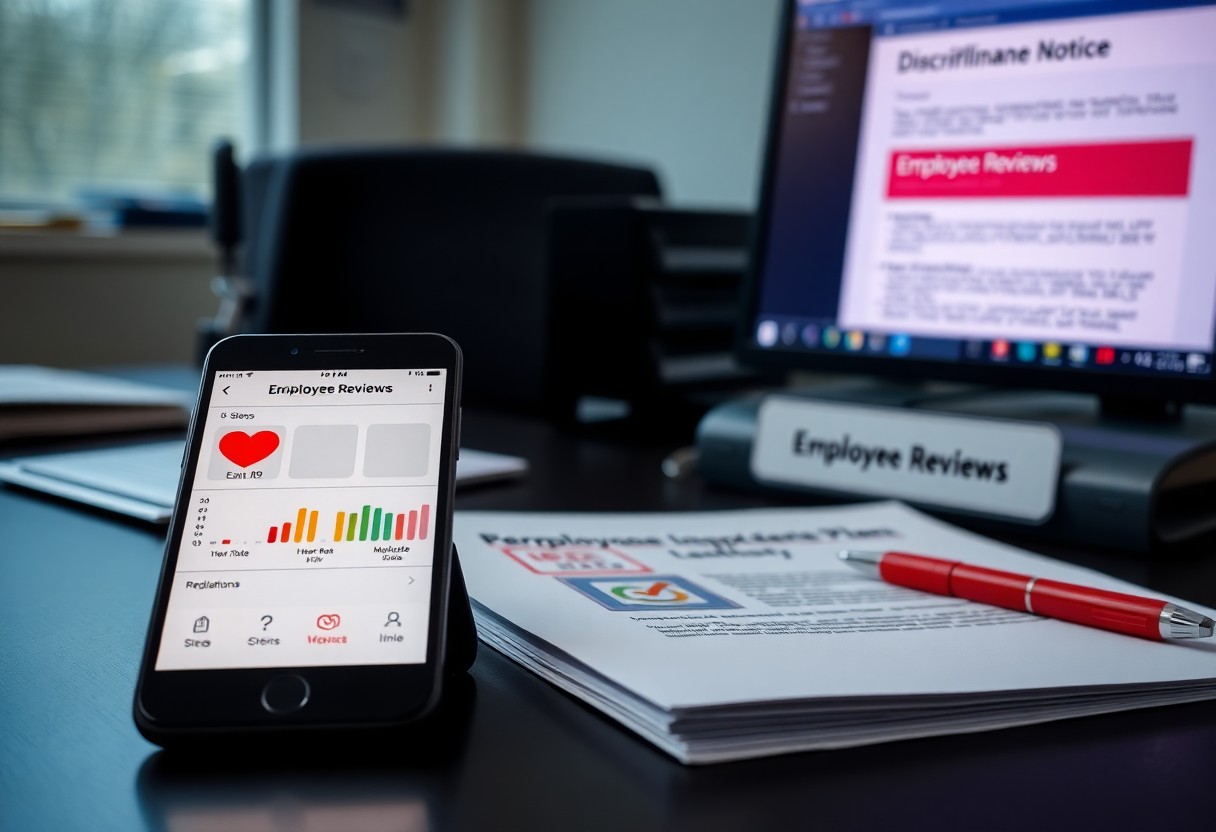
Key Takeaways:
- A wellness app cannot compensate for a manager who consistently overrides boundaries, such as sending late-night messages demanding immediate responses, because no algorithm can restore the psychological safety eroded by such behavior.
- Employees at a mid-sized SaaS firm reported higher stress levels despite company-mandated meditation app usage, highlighting that digital tools fail when workplace culture penalizes disengagement from work.
- Wellness initiatives often shift responsibility onto individuals while ignoring structural issues, such as a supervisor who publicly criticizes team members during meetings, making personal resilience tools feel like a mockery rather than support.
The Digital Band-Aid
Wellness apps offer measurable relief through guided breathing and mood tracking, yet they cannot correct a manager who withholds feedback or assigns conflicting priorities. A notification reminding you to hydrate does nothing to address the source of chronic stress. These tools function best when leadership is already supportive, not as substitutes for it. Relying on them in toxic environments risks normalizing harm.
Algorithmic Empathy
An app might prompt you to journal after detecting irregular sleep patterns, simulating concern with timed check-ins. But its responses are static, unable to adjust to the nuance of a sudden project cancellation or a colleague’s passive aggression. What feels like empathy is pattern recognition, not understanding. You remain alone with the real weight of workplace dynamics no bot can interpret.
Screen-Based Solace
You might log 45 minutes of meditation per week through a corporate wellness portal, earning points and badges. The company celebrates this engagement while ignoring team burnout rates. The app becomes a symbol of care, yet access to mental health days or manageable workloads remains unchanged. Metrics replace meaningful support.
One mid-sized SaaS firm introduced a mindfulness app alongside mandatory overtime during product launches. Employees reported higher stress scores despite increased app usage, revealing a disconnect leadership dismissed as user error. The platform’s analytics were showcased in board meetings as proof of cultural investment, while exit interviews cited managerial neglect as the primary reason for leaving. Technology absorbed accountability, not reduced it.
The Tyranny of the Manager
Authority often masks dysfunction, especially when leadership confuses control with care. A manager who demands constant availability while promoting mindfulness apps creates a contradiction you cannot meditate away. This hypocrisy deepens stress rather than alleviating it. Tools meant to soothe become instruments of surveillance when paired with punitive oversight.
Authority and Anxiety
Power imbalances shape emotional experience at work. When your supervisor equates responsiveness with loyalty, rest becomes a risk. Logging off feels like insubordination. The app suggesting deep breathing cannot counteract the message that disconnection equals disloyal behavior, especially after hours.
Human Failure
One manager at a mid-sized SaaS firm publicly shamed an employee for using vacation days, calling it “bad timing.” This single act erased years of wellness programming. No amount of guided meditation can rebuild trust once leadership demonstrates contempt for personal boundaries.
That incident was not an anomaly but a pattern indicator. Leaders who punish absence while praising resilience create cultures where burnout is inevitable. Wellness apps appear to offer relief, yet they ignore the root cause: a system where endurance is mistaken for excellence. Real change requires accountability, not another notification reminding you to stretch.
Corporate Doublespeak
Wellness initiatives are often repackaged as solutions to problems created by overwork and poor management, masking systemic failures with feel-good rhetoric. You’re told self-care will fix burnout, while the real issue-your manager’s relentless demands-goes unaddressed. The truth is laid bare in If Work Is the Problem, Wellness Programs Can’t Be the Solution, which reveals how companies shift responsibility onto employees. This deflection preserves toxic structures under the guise of support.
Wellness Metrics
Step counts, sleep scores, and mindfulness minutes are tracked with precision, yet these numbers rarely correlate with actual well-being or job satisfaction. You’re encouraged to optimize your body like a machine, while your workload remains unchecked. These metrics create an illusion of progress without altering the conditions that erode health.
Productivity Myths
Long hours are still equated with dedication, despite evidence that fatigue diminishes decision-making and creativity. You’re expected to be constantly available, as if responsiveness equals value. This myth glorifies exhaustion as a badge of honor, reinforcing cycles of overwork.
Productivity is often measured by visibility rather than output, rewarding those who stay late regardless of actual contribution. A mid-sized SaaS firm might celebrate employees who reply to emails at midnight, even if the responses are unnecessary or counterproductive. The assumption that busyness equals effectiveness distorts priorities and incentivizes performance over substance.
The Limits of Software
Wellness apps may prompt you to breathe deeply or take a walk, but they cannot address the toxic dynamics created by a supervisor who undermines trust or fosters fear. Corporate Wellness Programs Don’t Work-Here’s The Data, as reported in Forbes, because they treat symptoms while ignoring root causes embedded in workplace culture.
Code vs. Character
Algorithms can track your sleep or steps, yet they remain blind to the emotional toll of a manager who takes credit for your work or dismisses your concerns in meetings. No notification will shield you from condescension or restore dignity after public criticism, because software lacks the moral framework to judge unfair behavior.
Binary Solutions
Digital tools operate in absolutes-on or off, done or not-while human stress exists in nuanced emotional gradients. A reminder to meditate does nothing when the source of anxiety is a boss who sends hostile emails at midnight and expects immediate replies.
Stress stemming from interpersonal harm cannot be logged into a mood tracker or resolved with a pre-recorded mindfulness session. A mid-sized SaaS firm discovered this when employee participation in its wellness platform surged, yet turnover in departments with high-conflict managers remained unchanged, proving that no algorithm can compensate for abusive leadership.
Restoring Human Agency
Technology cannot compensate for eroded trust or absent leadership. Your ability to make meaningful decisions at work depends on structural support, not mindfulness prompts. When managers override judgment or dismiss concerns, no app can restore autonomy. Real agency emerges only when organizational power aligns with employee dignity and discretion.
Leaders Biased
Leadership reform begins with redefining competence beyond output metrics. A manager who listens, adapts, and shares context fosters resilience far more effectively than any wellness algorithm. Training must emphasize emotional intelligence, conflict navigation, and psychological safety as core job requirements, not optional traits.
Real Accountability
Accountability means consequences for harmful behavior, not just missed targets. When a supervisor humiliates a team member and faces no review, the organization signals that conduct is secondary to results. Transparent processes for reporting and addressing managerial misconduct are non-negotiable.
Anonymous surveys fail when retaliation follows patterned complaints. A mid-sized SaaS firm reduced turnover by 40% after implementing third-party review channels for leadership conduct, proving that independent oversight changes behavior. Without enforceable standards, accountability remains a performance, not a practice.

Conclusion
You rely on wellness apps for stress relief, but no algorithm can offset a supervisor who disregards boundaries, ignores feedback, or fosters fear. A mid-sized SaaS firm found employee engagement dropped by half when managers scheduled after-hours calls, regardless of app usage. Your well-being depends less on digital tools and more on whether your manager respects your time, listens without defensiveness, and acts with accountability.
FAQ
Q: Can a wellness app improve employee mental health even if their manager is unsupport ive?
A: Wellness apps may offer guided meditation, sleep tracking, or mood journaling features that provide temporary stress relief for some individuals. However, when a manager consistently undermines psychological safety through behaviors like public criticism, unrealistic deadlines, or ignoring boundaries, the app becomes a tool for symptom management rather than meaningful change. A software notification reminding an employee to “breathe deeply” does little to address the root cause when that employee is routinely assigned last-minute tasks on weekends. The app cannot intervene in power dynamics or alter a supervisor’s communication style, making its impact marginal in toxic environments.
Q: Why do companies invest in wellness apps if they don’t address managerial issues?
A: Organizations often adopt digital wellness tools because they are visible, low-cost interventions that signal concern for employee well-being without requiring structural changes. A mid-sized SaaS firm might roll out a subscription-based mindfulness platform across departments, measuring success by login rates rather than retention or morale. This approach allows leadership to claim proactive engagement with well-being while avoiding difficult conversations about management accountability. In some cases, HR teams are aware of problematic supervisors but lack the authority to retrain or replace them, leaving apps to function as symbolic gestures rather than functional solutions.
Q: Are there any documented cases where wellness apps made a measurable difference despite poor management?
A: Publicly available case studies rarely isolate the effect of wellness apps in high-stress, poorly managed teams. One nonprofit organization reported a short-term increase in self-reported relaxation among staff after introducing a meditation app, but exit interviews later revealed that burnout rates remained unchanged, with several employees citing their direct supervisor’s behavior as the primary reason for leaving. The app usage declined sharply six months after launch, coinciding with a period of increased workload and inconsistent feedback from team leads. This pattern suggests that digital tools may see initial engagement but fail to sustain well-being when leadership practices erode trust and autonomy.
Leave a Reply