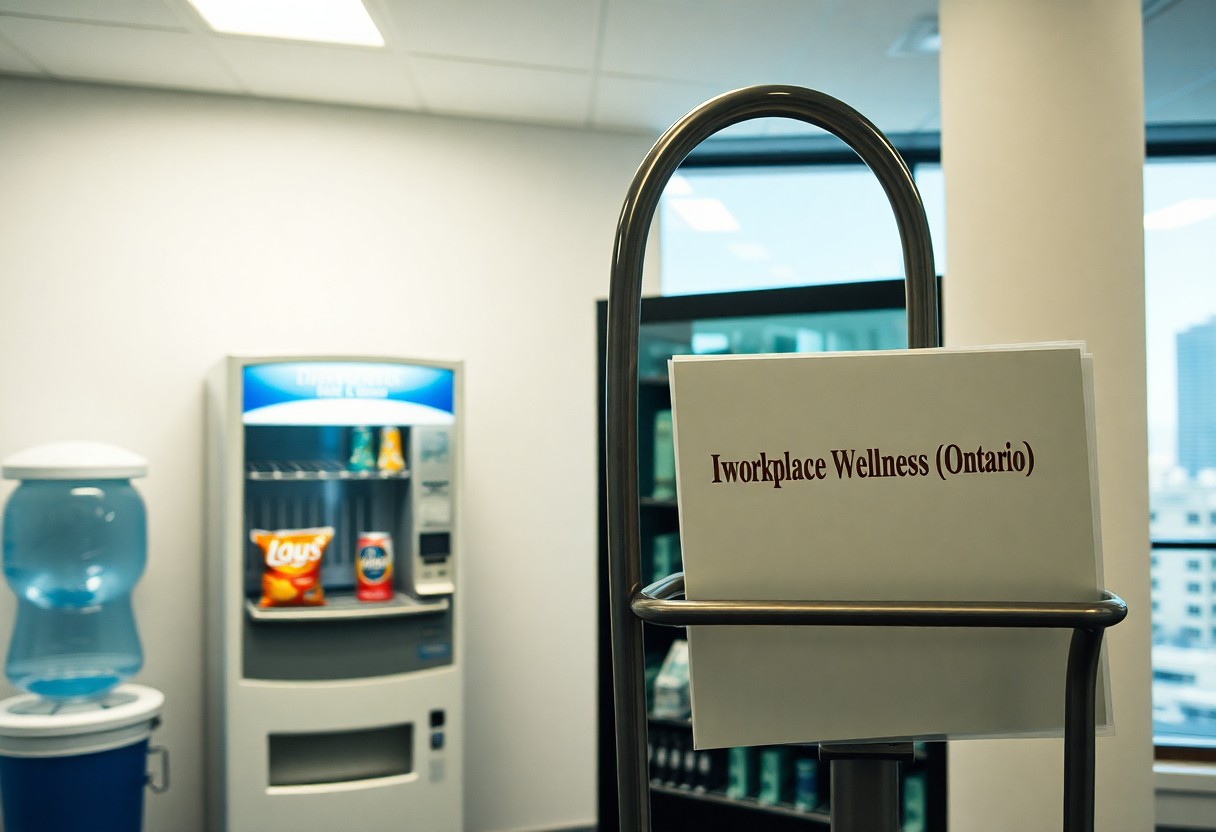
Ontario employers often equate wellness with fruit bowls and yoga Fridays, mistaking surface perks for meaningful support. You may offer gym stipends or meditation apps, but if employees still face unrealistic deadlines and silent burnout, those efforts are symbolic, not substantive. Real wellness isn’t a perk-it’s built into workloads, management behavior, and psychological safety.
Key Takeaways:
- Wellness initiatives that focus solely on individual behavior changes, such as offering gym discounts or fruit baskets, often fail to address systemic workplace stressors like unrealistic deadlines or poor management practices, leaving deeper issues unaddressed in organizations across Ontario.
- Many employers conflate legal compliance with a healthy culture, assuming that meeting minimum labor standards is equivalent to fostering well-being, yet employees at a mid-sized SaaS firm in Kitchener reported high burnout despite full regulatory adherence.
- Frontline managers are frequently overlooked in wellness planning, even though their daily interactions shape team morale; one Hamilton manufacturer saw a 40 percent drop in absenteeism after training supervisors in empathetic communication, proving leadership behavior directly influences outcomes.
The Fruit Bowl Fallacy
Offering fruit bowls or yoga classes does not equate to a healthy workplace. You might provide snacks in the breakroom, but if employees are working through lunch under constant pressure, the gesture undermines the stress it pretends to relieve. Surface-level perks are often used to signal wellness while ignoring systemic issues like unrealistic deadlines or poor management.
Perks versus Policy
A mid-sized SaaS firm in Kitchener replaced its standing desks with nap pods but retained a culture of after-hours emails. You can introduce trendy amenities, but without clear policies on workload and rest, those perks become symbols of hypocrisy rather than support. Real change requires structural shifts, not just office upgrades.
The Illusion of Care
You host an annual mental health webinar and call it a program, yet managers lack training to recognize burnout. When leadership measures success by attendance at wellness events rather than psychological safety or turnover rates, employees see through the performance. A poster on resilience does not constitute care.
One manufacturing company in Mississauga introduced mindfulness sessions while simultaneously increasing production quotas by 30 percent. Workers reported feeling more anxious, not less, because the organization framed stress as a personal failure to cope rather than a consequence of operational demands. When wellness initiatives are detached from actual working conditions, they shift responsibility onto employees for problems the system creates.
The GTA Disconnect
Commuter Realities
Over half of GTA employees spend more than 90 minutes daily commuting, time that could otherwise support rest or family. This lost time directly undermines wellness initiatives promoted during the workday, especially when those programs assume employees have energy or focus to engage after long travel.
Remote Work Resistance
Some employers still demand full-time office returns despite proven productivity in distributed settings. This inflexibility signals distrust, increasing stress and disengagement, particularly for workers in high-cost, high-commute areas like Durham or Halton.
One mid-sized SaaS firm in Mississauga saw turnover rise by 30 percent after revoking remote options, with exit interviews citing commute burden and lack of autonomy as primary factors. Retention improved only after partial remote access was reinstated, revealing how policy rigidity can quietly erode wellness from within.
Mental Health as a Metric
Tracking mental health through annual surveys often becomes a box-ticking exercise rather than a pathway to meaningful change. You rely on self-reported data that may underrepresent real distress, especially when employees fear stigma. A mid-sized SaaS firm found only 12% of staff used its EAP despite leadership believing utilization was high, revealing a gap between perception and reality. The Ultimate Guide to Corporate Wellness Strategies outlines how leading organizations move beyond passive measurement to proactive support systems.
Survey Fatigue
Employees receive multiple wellness surveys each quarter, leading to declining response rates and unreliable data. You may act on outdated or incomplete insights, mistaking silence for satisfaction. One manufacturer saw participation drop to 23% over two years despite unchanged follow-up practices.
Performative Support
Posting mental health awareness posters while denying flexible hours sends a contradictory message. You risk appearing supportive while maintaining inflexible policies that exacerbate stress. Symbolic gestures without structural change often deepen employee skepticism.
Leaders approve mental health days but publicly celebrate those who work through illness, reinforcing presenteeism. You create an environment where employees feel safe to speak up only if they don’t actually need help. A tech startup faced internal backlash after its CEO praised a team member for logging in from the hospital, undermining its own wellness campaign.
The Managerial Gap
Supervisors often become conduits for wellness initiatives without understanding their intent or impact, creating a disconnect between policy and practice. A manager’s inability to model healthy behaviors or recognize distress signals can render even well-funded programs ineffective, especially when team members view outreach as performative rather than supportive. This gap in frontline leadership remains one of the most dangerous oversights in Ontario’s workplace wellness strategy.
Training Deficits
Many organizations promote wellness programs without equipping managers to implement them meaningfully. You might offer counseling access but fail to train leaders on how to encourage use without stigma, leaving employees reluctant to participate. A mid-sized SaaS firm discovered that only 12 percent of team leads felt confident addressing mental health concerns during performance discussions.
The Power of Empathy
Empathy transforms policy into practice when demonstrated authentically by those in authority. When a supervisor acknowledges personal stressors or adjusts deadlines during team hardship, it signals psychological safety more effectively than any poster or pamphlet. This behavior cannot be mandated, only cultivated.
Consider a manufacturing supervisor who began starting morning briefings by sharing his own challenges with work-life balance, including recent family illness. Team members soon followed, reporting higher comfort in discussing workload. Retention in that unit improved noticeably within six months, not because of new benefits but because trust became measurable in daily interactions.
Legal Compliance versus Culture
Compliance with Bill 27 is not a wellness strategy, yet many Ontario employers treat it as one. Meeting minimum legal requirements may shield your organization from penalties but does nothing to address employee burnout or disengagement. We approach workplace wellness the wrong way when we confuse policy checkboxes with genuine cultural support.
The Bill 27 Trap
Passing Bill 27 created a false sense of accomplishment in many HR departments. A mid-sized SaaS firm in Mississauga implemented mandatory mental health training solely to comply, then declared wellness “handled.” This compliance-first mindset leaves employees feeling monitored, not supported, especially when no follow-up resources are offered.
Beyond Minimum Standards
True wellness integration requires actions that exceed legislative mandates. A manufacturing plant in Windsor reduced absenteeism by 30 percent not through policy updates but by training supervisors to recognize early signs of stress and respond with flexibility.
One regional insurance provider replaced annual compliance webinars with monthly peer-led circles where employees discuss workload and coping strategies. Participation is voluntary and confidential, yet 85 percent of staff engage regularly. The initiative was born from employee feedback, not legal counsel, and turnover in high-stress departments has declined noticeably as a result.
Rethinking the Strategy
You must shift from symbolic wellness gestures to measurable, inclusive practices that reflect real employee needs. A fruit bowl or yoga class won’t reduce burnout if deadlines are relentless and autonomy is low. Sustainable change begins when leadership stops assuming and starts asking.
Listening over Lecturing
You gain deeper insight by hosting anonymous pulse surveys and small-group listening sessions rather than rolling out top-down wellness mandates. One manufacturing firm in Hamilton saw a 40% increase in program engagement after replacing generic seminars with peer-led mental health circles shaped by employee input.
Structural Changes
You create lasting impact by adjusting workloads, rethinking meeting schedules and normalizing flexible hours instead of relying on perks. A mid-sized SaaS firm reduced turnover by aligning project timelines with realistic capacity, proving that time sovereignty matters more than free snacks.
Adjusting core workflows requires managers to track task volume and redistribute assignments before burnout sets in. One Ottawa-based team implemented a monthly workload audit, leading to a measurable drop in after-hours emails and a noticeable rise in on-time project delivery. Structural support signals respect far more than any wellness poster ever could.
Final words
You measure engagement through attendance at lunch-and-learns and count yoga classes as progress, but real wellness shows up in lower turnover, fewer short-term disability claims, and managers who know how to listen. A fruit bowl in the break room won’t offset a culture of after-hours emails or unresolved conflict. You’ve likely invested in perks while underestimating pressure, assuming compliance equals care. Real change starts when you stop treating wellness as a benefit and begin seeing it as part of every decision you make.
FAQ
Q: Do wellness programs actually reduce absenteeism in Ontario workplaces?
A: Some organizations report modest reductions in short-term absences after introducing wellness initiatives, but results vary widely by sector and implementation. A mid-sized manufacturing firm in Hamilton observed a 15% drop in unplanned leave over two years following the introduction of on-site physiotherapy and stress management workshops. However, similar programs at a tech startup in Kitchener showed no measurable change, suggesting that structural factors such as job demands and team dynamics play a larger role than program availability alone.
Q: Why do employee assistance programs (EAPs) often go underused despite being widely offered?
A: Confidentiality concerns and lack of awareness are frequently cited barriers. In a 2022 survey by a Toronto-based HR consortium, fewer than 30% of employees could accurately describe what their EAP covered. One municipal office in Mississauga found usage increased threefold after supervisors received training on how to discuss EAP access without breaching privacy, indicating that managerial behavior influences engagement more than promotional materials.
Q: Is offering gym memberships enough to meet Ontario’s expectations for workplace wellness?
A: Gym benefits alone do not address psychosocial risks outlined in the province’s Occupational Health and Safety Act. A 2021 case involving a call center in Ottawa highlighted this gap when employees filed a joint grievance arguing that mandatory overtime and monitored break times undermined physical and mental well-being, regardless of subsidized fitness access. The labor board ruled that employers must consider organizational practices, not just perks, when fulfilling duty-of-care obligations.
Leave a Reply