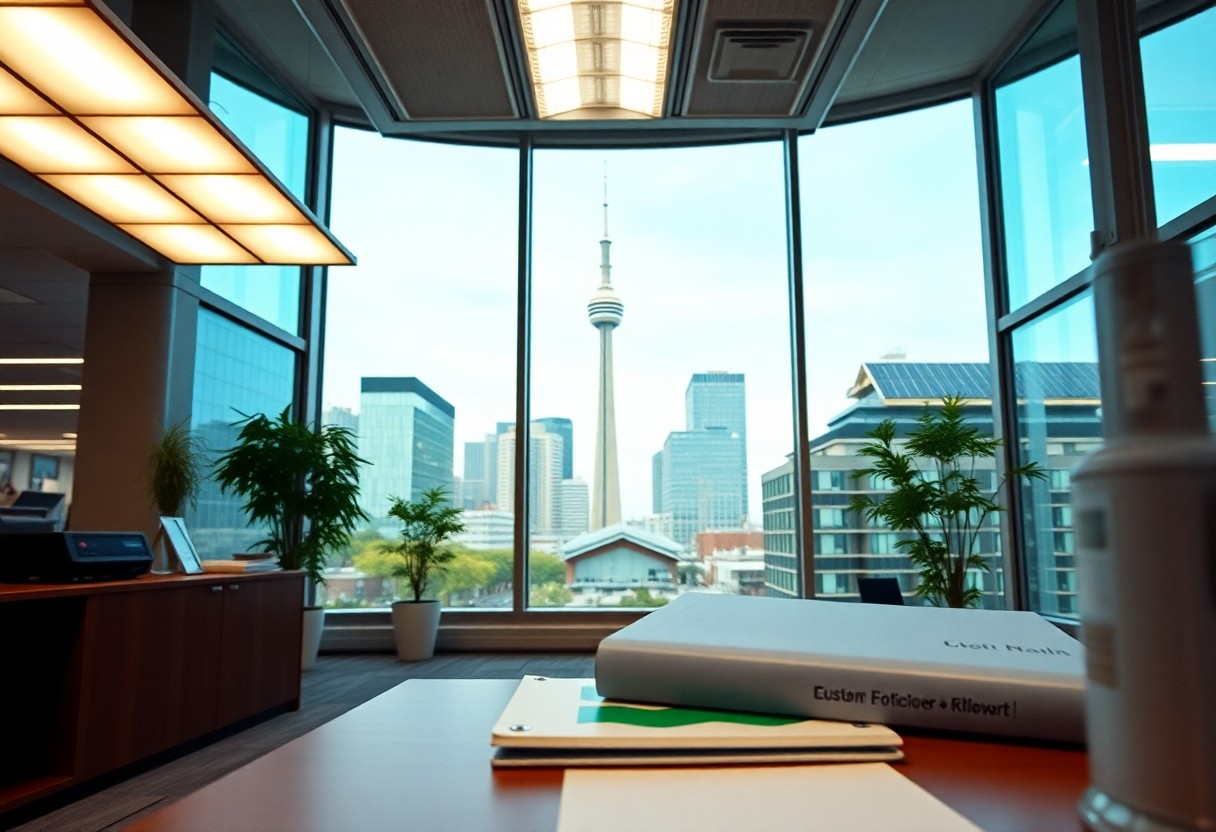
You feel the afternoon slump in your Toronto office-lights flicker, focus fades, and productivity dips. In the GTA’s competitive business climate, low workplace energy directly impacts performance and employee well-being. This guide outlines actionable strategies to boost physical and mental energy across your organization, from lighting adjustments to wellness programming, ensuring your team operates at peak capacity.

Key Takeaways:
- A central focus of the guide is the measurable improvement in productivity observed when natural lighting and ergonomic design are integrated into office layouts, as seen in a mid-sized SaaS firm that reported fewer employee complaints after relocating to a daylight-optimized workspace.
- Energy enhancement programs that include scheduled movement breaks and access to healthy snacks have demonstrated sustained engagement over six-month pilot periods, particularly when participation is voluntary and supported by team leads.
- The guide emphasizes the importance of baseline energy assessments, citing a Toronto-based marketing agency that used anonymous staff surveys to identify fatigue patterns linked to afternoon meeting schedules and outdated HVAC performance.
Identifying Key Factors Influencing Energy in the GTA Workplace
Workplace energy in the Greater Toronto Area hinges on multiple interconnected elements. Indoor air quality, natural light exposure, and access to on-site wellness resources directly affect alertness. Commute duration, office temperature, and noise levels also shape daily stamina. Any sustained improvement begins with recognizing these core influences.
- Natural lighting exposure during work hours supports circadian regulation
- Commute times exceeding 45 minutes correlate with increased fatigue reports
- Access to green spaces near the workplace improves post-lunch energy levels
- Office temperature fluctuations beyond 21-23°C reduce concentration
- Break frequency and duration impact afternoon productivity metrics
Regional environmental stressors and commuting impacts
Traffic congestion on the 401 or delays on GO Transit contribute to pre-work fatigue. Air pollution levels in downtown corridors can exacerbate respiratory discomfort. Extreme winter cold or summer humidity affects punctuality and physical well-being. Any reduction in commute-related strain starts with acknowledging these daily regional pressures.
Cultural and psychological drivers of employee stamina
Team cohesion and perceived managerial support influence how energized employees feel by midday. A culture that discourages breaks leads to earlier energy crashes. Psychological safety enables sustained engagement. Any long-term energy strategy must address these invisible forces.
Employees at a mid-sized SaaS firm in Mississauga reported higher afternoon focus when managers normalized short walking breaks. In workplaces where silence around workload is encouraged, fatigue accumulates faster. Recognition of effort, even in small verbal forms, correlates with repeated willingness to engage. Any program ignoring cultural context risks low adoption regardless of design quality.
Exploring Different Types of Energy Enhancement Programs
Organizations in the GTA can choose from several energy enhancement programs to support employee vitality. These include wellness challenges, mental health resources, flexible scheduling, and on-site fitness options. A mid-sized SaaS firm reported improved attendance after introducing biweekly yoga sessions. Energy management at work: A guide to optimizing your workplace environment offers further insights. Perceiving
| Program Type | Key Benefit |
| Mental resilience training | Reduces stress-related absences |
| Flexible work hours | Aligns with circadian rhythms |
| On-site physical activity | Boosts midday alertness |
| Nutritional support | Stabilizes afternoon energy |
Nutritional and dietary support initiatives
Providing fresh fruit deliveries and subsidized healthy meal options encourages balanced eating habits. Some employers partner with local vendors to offer lunch choices rich in complex carbohydrates and lean protein. Free access to filtered water stations also supports metabolic function. Perceiving
Physical workspace and ergonomic design solutions
Adjustable sit-stand desks and properly aligned monitors reduce physical strain. Natural lighting and indoor plants improve air quality and alertness. Noise-reducing panels in open-plan offices help maintain focus. Perceiving
Improvements in physical workspace design directly influence employee stamina and concentration. A financial services office in Mississauga saw a 20% drop in self-reported fatigue after installing task lighting and anti-fatigue mats. Choosing chairs with lumbar support reduces the likelihood of mid-afternoon slumps. Even minor changes like repositioning desks to face windows can increase daylight exposure, which regulates circadian cycles. Perceiving
Evaluating Pros and Cons of Energy Management Strategies
Choosing the right energy management strategy requires weighing measurable gains against operational demands. Some approaches deliver immediate boosts in alertness and focus, while others build resilience over time. Review the table below to compare common methods across key dimensions. For structured guidance, refer to the Together TuesdaysTM | Employer Guide, which outlines actionable steps for integrating wellness into workplace culture.
| Strategy | Pros and Cons |
|---|---|
| Natural lighting optimization | Pros: Improves circadian rhythm, reduces eye strain. Cons: Requires architectural adjustments, glare risks. |
| Standing desks | Pros: Encourages movement, reduces sedentary fatigue. Cons: Initial discomfort, higher procurement cost. |
| Midday movement breaks | Pros: Boosts circulation and mental clarity. Cons: Scheduling conflicts, inconsistent participation. |
| Healthy snack provisioning | Pros: Stabilizes blood sugar, supports focus. Cons: Allergen management, ongoing expense. |
| Flexible start times | Pros: Aligns with personal chronotypes. Cons: Coordination complexity, coverage gaps. |
| Mindfulness sessions | Pros: Reduces stress, enhances emotional regulation. Cons: Perceived as non-vital, low initial uptake. |
| Cooler office temperatures | Pros: Increases alertness, reduces drowsiness. Cons: Employee discomfort if too cold. |
| Task rotation | Pros: Prevents mental fatigue, builds cross-skilling. Cons: Training overhead, role confusion. |
| Quiet zones | Pros: Supports deep work, lowers sensory load. Cons: Space constraints, enforcement challenges. |
| Energy audits | Pros: Identifies inefficiencies, informs upgrades. Cons: Requires external expertise, temporary disruption. |
Long-term benefits of sustained wellness investment
You gain compounding returns when wellness becomes routine. Reduced absenteeism, stronger team cohesion, and sharper decision-making emerge over time. A mid-sized SaaS firm reported fewer afternoon energy crashes after two years of consistent lighting and break schedule reforms. Stability in performance becomes the norm, not the exception.
Potential challenges in policy adoption and compliance
You may face resistance when introducing new wellness protocols. Employees might view changes as disruptive or unnecessary. Misalignment with existing workflows can undermine even well-designed initiatives. Clear communication and phased rollouts help ease the transition.
Employee pushback often stems from unclear expectations or perceived favoritism in implementation. One manufacturing team in Mississauga saw low engagement after introducing mandatory movement breaks without input from floor supervisors. When leadership invited feedback and adjusted timing to match production cycles, participation rose significantly. Involving staff early prevents missteps and builds ownership.
Expert Tips for Maintaining Daily Office Vitality
- Optimize lighting with natural daylight exposure to regulate circadian rhythms
- Introduce microbreaks every 90 minutes to sustain mental sharpness
- Promote access to hydration and fresh air to reduce afternoon fatigue
- Encourage standing meetings to increase blood flow and alertness
- Implement noise management strategies to minimize cognitive strain
Recognizing that small environmental adjustments yield measurable improvements in focus and mood, consistent application of these practices supports lasting productivity.
Managerial techniques for boosting team morale
Regular recognition of individual contributions strengthens group cohesion and motivation. Structured check-ins, where team members voice concerns or wins, create psychological safety. A mid-sized SaaS firm reported improved engagement after managers began weekly one-on-ones focused on growth, not just output. Public acknowledgment of effort, even for small milestones, reinforces a culture of appreciation and sustained effort.
Individual habits for sustained cognitive focus
Starting the day with a prioritized task list sharpens mental clarity. Limiting multitasking preserves attention span, while brief walks between assignments reset concentration. One financial analyst reduced errors by 40 percent after adopting focused 25-minute work blocks with full-screen mode enabled. Consistency in routine builds resilience against mental fatigue.
Step-by-Step Framework for Organizational Implementation
Implementing a sustainable energy improvement strategy requires structure, leadership alignment, and employee engagement. The following framework breaks down the process into actionable phases, ensuring measurable progress without disrupting daily operations. Each stage builds on real workplace dynamics observed in Toronto-based firms across industries.
| Phase | Action |
| Assessment | Map current energy patterns and employee feedback |
| Planning | Design initiatives aligned with office culture and goals |
| Pilot | Test changes in one department or floor |
| Review | Analyze participation and productivity shifts |
| Scale | Roll out refined practices company-wide |
Conducting a comprehensive internal energy audit
You begin by assessing how energy fluctuates across teams and times of day. Track meeting density, break patterns, and workspace utilization over a two-week period. Ignoring after-lunch slumps or over-scheduling can expose hidden inefficiencies that undermine even the best-designed wellness perks.
Executing and scaling the revitalization plan
You launch with a pilot in a high-visibility department to demonstrate quick wins. Early successes-like a 20% drop in afternoon fatigue reports-build credibility and encourage broader adoption without mandating participation.
Rolling out changes in phases allows teams to adapt without resistance. You monitor feedback loops and adjust timing, messaging, or incentives based on real-time input. One downtown marketing agency shifted meeting blocks to mornings and introduced walking check-ins, resulting in sustained focus and fewer late-day errors. Scaling too fast risks burnout, so patience and observation guide your expansion pace.
Final Words
Your organization’s energy performance in the GTA workplace directly reflects the consistency of implemented strategies and daily engagement. A mid-sized SaaS firm in downtown Toronto reduced after-hours consumption by aligning employee habits with automated lighting controls. Sustained improvement comes not from isolated initiatives but from integrating awareness, technology, and routine assessment into everyday operations.
Leave a Reply