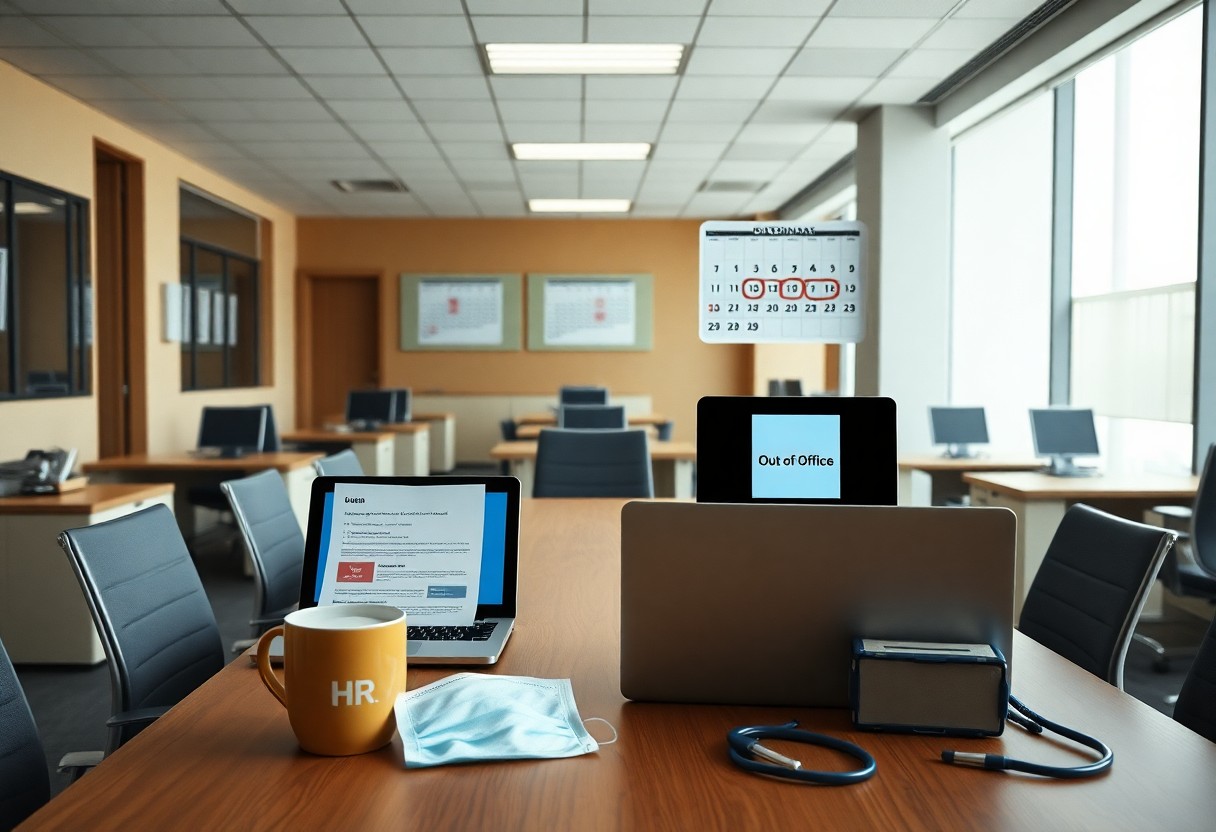
Over the past year, a mid-sized SaaS firm noticed a 30% spike in midweek absences, most tied to “minor illnesses” that lasted exactly three days. Your employees’ sick days are not just medical breaks-they can signal burnout, disengagement, or toxic workplace dynamics. When patterns emerge, they reveal underlying issues often missed in performance reviews or surveys. Paying attention could uncover risks to productivity and retention.
Key Takeaways:
- Recurrent short-term absences, especially on Mondays or Fridays, may signal disengagement or burnout rather than illness, as seen in companies where team members take isolated days off without extended recovery periods.
- A spike in sick leave within a single department can reflect leadership issues or workplace tension, such as in a tech startup where absences clustered in one team shortly after a manager’s reorganization disrupted established workflows.
- Employees who rarely take sick days may be under pressure to appear indispensable, a pattern observed in organizations with informal cultures that glorify overwork and lack formal wellness policies.
The Pattern of the Absence
Patterns in sick leave often reveal more than isolated incidents ever could. When absences cluster around specific days, projects, or managerial interactions, they signal underlying workplace stressors. A spike after team meetings or performance reviews may point to psychological discomfort rather than physical illness. Recurring timing is rarely coincidental-it reflects a response to environmental triggers embedded in your team’s routine.
The Monday Morning Call
That call at 8:47 a.m. on Monday, just after the weekend, carries weight. When employees consistently call in sick at the start of the week, especially following high-pressure deadlines, it may indicate burnout. These absences often stem from emotional exhaustion, not infection. A pattern like this suggests your team is using sick days as a reset button, not a medical necessity.
The Frequency of the Void
Occasional sick days are normal, but frequent short absences-two days here, one there-warrant attention. When an employee averages more than one sick day per month without a diagnosed condition, it may reflect disengagement. Chronic absenteeism often precedes turnover. These gaps are not random; they are quiet indicators of deeper dissatisfaction.
Consider a mid-sized SaaS firm that noticed one team member took 14 single-day absences over six months, always mid-week and never preceded by visible illness. Upon review, the employee had been assigned to a high-visibility project with an inconsistent manager. After restructuring the reporting line, the absences stopped entirely. Frequency without cause often maps to management friction, not health issues.
The Office Climate
Temperature fluctuations and stale air do more than discomfort, they signal neglect. When employees repeatedly call in with respiratory issues or headaches, consider the ventilation, humidity, and thermostat settings. Poor indoor air quality correlates with increased sick days, especially in tightly sealed buildings. Learn what you need to know about paid sick days to ensure compliance while addressing root causes. A well-maintained environment reduces absenteeism and shows employees their health is non-negotiable.
The Cold Heart of the Room
Cold offices often reflect colder cultures. If your space feels unwelcoming, physically or emotionally, staff may disengage. Persistent complaints about temperature can mask deeper dissatisfaction with workplace dynamics. A chilly room may seem minor, but when paired with absenteeism, it becomes a visible symptom of invisible strain.
The Weight of the Clock
Employees tracking every minute may feel punished for taking needed rest. When sick days are scrutinized or accrued slowly, workers delay recovery to avoid judgment. This pressure creates a culture where appearing busy outweighs genuine well-being, leading to presenteeism that harms long-term productivity.
Time-based policies often overlook human rhythms. A mid-sized SaaS firm noticed a 30% drop in sick leave after switching from accrual to a flexible model, not because employees took more time, but because they trusted the system. When time off is treated as a right rather than a privilege, employees return sooner and healthier, reducing the spread of illness and the burden on teams.
Signs of the Inner Struggle
Unexplained fatigue, irritability, or sudden disengagement often signal deeper emotional strain. When employees withdraw without clear cause, it may reflect anxiety, burnout, or unresolved workplace conflict. Recognizing these cues early allows for timely support and prevents escalation into prolonged absence. Emotional distress frequently manifests before formal sick leave is taken, making subtle behavioral shifts critical indicators.
The Tired Horse
Consistently working late, skipping breaks, and volunteering for every project may seem like dedication, but they often mask exhaustion. You risk normalizing overwork until collapse becomes inevitable. One employee at a mid-sized SaaS firm took three months of medical leave after months of silent overextension, a pattern visible in hindsight but ignored in real time.
The Aches of the Body
Recurring headaches, back pain, or gastrointestinal issues with no clinical cause often trace back to chronic stress. Physical symptoms are the body’s way of signaling psychological overload. These complaints may not appear urgent, yet they accumulate, disrupting focus and reducing long-term productivity.
Stress-induced physical conditions frequently emerge in high-pressure departments like customer support or finance, where emotional regulation is constant. Muscle tension, sleep disruption, and frequent minor infections are common. A manager at a regional insurance office noticed a 40% drop in sick days after introducing flexible scheduling for team members reporting persistent migraines, suggesting a strong link between workload control and physical well-being. Ignoring these signals risks normalizing preventable health decline.
Leadership Response
How you react to recurring absences shapes your team’s perception of psychological safety. Ignoring patterns sends a message just as loud as confrontation. Addressing concerns with empathy, not suspicion, builds trust. A manager at a mid-sized SaaS firm reduced absenteeism by 40% simply by initiating private check-ins. Your response can either deepen disengagement or open a path to resolution.
The Honest Talk
Initiate one-on-one conversations focused on well-being, not performance gaps. Ask open questions like, “How have things been feeling lately?” rather than “Why were you out again?” Employees often disclose stress or burnout only when they feel heard, not assessed. These talks are not evaluations but opportunities to listen.
The Helping Hand
Offer tangible support such as flexible hours, temporary workload adjustments, or access to counseling services. One engineering team introduced “no-meeting Wednesdays” during high-stress project phases, resulting in fewer midweek absences. Support that aligns with real work rhythms has a measurable impact on attendance and morale.
Providing resources only works if employees know how to access them without stigma. Ensure HR policies are visible and simple to use, and train managers to guide staff toward assistance without overstepping boundaries. In one organization, assigning peer wellness liaisons increased uptake of mental health benefits by normalizing the conversation. Structural support, quietly available, often does more than grand initiatives.
The Cost of the Empty Desk
Every unoccupied workstation carries a quiet expense, one that extends beyond payroll. When your team members take sick days, the ripple affects deadlines, team morale, and client commitments. Frequent absences may signal deeper issues in workload or culture. For insight into what patterns cross the line, see this discussion on sick days – what is considered excessive.
The Broken Rhythm
A single missed day disrupts workflow, but repeated absences fracture team momentum. Projects stall, colleagues absorb extra tasks, and concentration splinters. You begin to notice delays in sprint completions or client follow-ups, often traced back to the same role. This irregular cadence is rarely about laziness-it’s a symptom of imbalance, often tied to unsustainable expectations or unresolved stress.
The Shadow in the Room
Unexplained or clustered sick days often point to an unspoken burden. You might observe a high performer suddenly withdrawing, their attendance thinning over months. This pattern isn’t random-it reflects emotional fatigue or disengagement that hasn’t been addressed, often growing in silence until it forces absence.
One mid-sized SaaS firm noticed a senior developer taking every other Friday off, always with a brief note. No formal policy was broken, but team output dipped weekly. After a private conversation, it emerged that the employee was managing severe anxiety fueled by unclear priorities and after-hours messages. The absences weren’t avoidance-they were coping. Once adjustments were made to communication norms and workload clarity, attendance stabilized and project delivery improved. What looked like unreliability was actually a cry for structural support.
Final Words
Your employees’ sick days are more than administrative notes in a calendar, they reflect patterns tied to workload, morale, and workplace culture. A spike in midweek absences, especially following high-pressure projects, signals burnout more reliably than any survey. You notice when the same team members repeatedly withdraw during review cycles or after late-night email threads. These moments reveal where processes strain people. Addressing the root causes-be it inflexible schedules or insufficient recognition-transforms absence data into a roadmap for retention and well-being. One mid-sized SaaS firm reduced unplanned leave by aligning deadlines with mental health check-ins, proving that listening to absence patterns yields measurable change.
FAQ
Q: How can frequent sick days signal deeper workplace issues?
A: A consistent rise in sick leave, especially on certain days like Mondays or Fridays, may reflect employee burnout or disengagement rather than actual illness. For example, a mid-sized SaaS firm noticed a 40% spike in absences after implementing mandatory in-office returns without flexibility, suggesting morale had declined. Patterns like these often point to dissatisfaction with workload, management style, or work-life balance, not just health concerns.
Q: Can mental health be a factor in increased absenteeism?
A: Yes, mental health conditions such as anxiety or depression frequently manifest through physical symptoms like headaches or fatigue, leading employees to take sick days. One manufacturing company reduced absenteeism by 25% within a year after introducing confidential counseling services and manager training on emotional well-being. When employees lack support for psychological stress, they may use sick time as the only available outlet.
Q: Should employers track the timing and frequency of sick days?
A: Monitoring absence patterns can reveal systemic problems, such as a toxic team environment or unrealistic deadlines. A retail chain identified that one store had double the sick leave of others and discovered the store manager used public shaming during meetings. After leadership intervention and retraining, absences dropped to company average levels within six months. Tracking data discreetly and ethically helps pinpoint issues without singling out individuals.
Leave a Reply