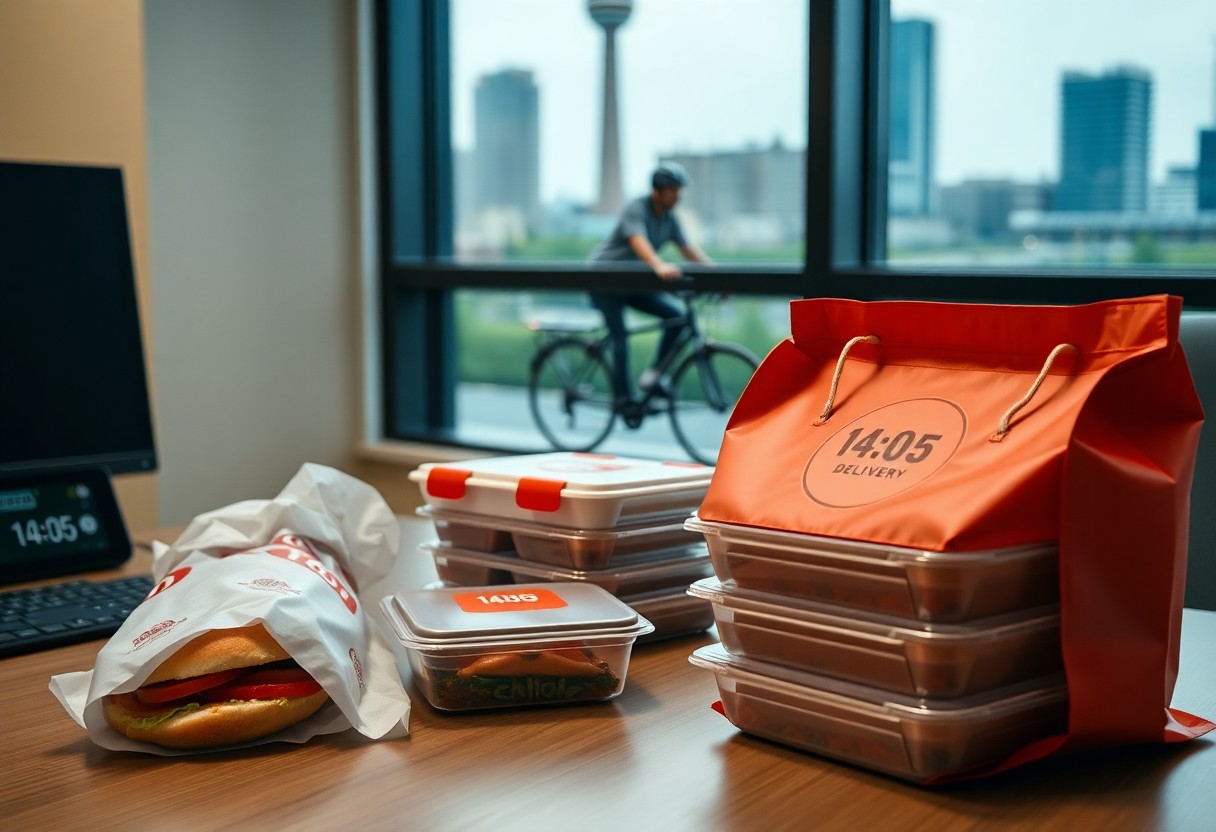
GTA office workers routinely sacrifice nutrition for speed, grabbing meals that are high in sodium, low in fiber, and packed with unpronounceable additives. You’re not imagining it-lunch in the Greater Toronto Area has become a race against time, where convenience trumps care, and long-term health often loses. A typical midday meal may take 12 minutes to consume but leave metabolic consequences lasting days.
Key Takeaways:
- A typical downtown Toronto office worker spends an average of 28 minutes on lunch, often rushing between meetings and workstations, leaving little time for mindful eating or proper digestion.
- Over 60% of grab-and-go meals sold in convenience outlets near major business districts contain more than an entire day’s recommended sodium in a single sandwich or salad bowl, primarily due to processed meats, dressings, and pre-packaged components.
- One major Bay Street law firm reported a 40% drop in afternoon productivity linked to post-lunch energy crashes, prompting an internal review of cafeteria offerings and the introduction of slower-digesting, whole-food-based meal options.
The Concrete Jungle’s Midday Meltdown
You feel it in your chest before you notice the clock-that heavy, sluggish pull settling in by 1:15 p.m., no matter how quickly you wolfed down your “healthy” grain bowl. Office towers hum with fluorescent light and low-grade panic as workers orbit vending machines, chasing a dopamine spike from sugar-laced “energy bars” and salt-crusted chips. A mid-sized SaaS firm’s cafeteria logs show 78% of employees finish lunch in under 17 minutes, most while staring at screens, their meals engineered for shelf life, not satiety. This isn’t fuel. It’s a metabolic betrayal disguised as convenience.
Chemical Cocktails and Cardboard Crusts
You ingest more than just calories when you grab a prepackaged sandwich from a downtown kiosk. Hidden within that soft-looking wrap are sodium levels that spike with every bite, artificial preservatives stretched across ingredient lists longer than your lunch break. That plastic-like cheese doesn’t melt because it was never meant to-it’s engineered to survive unrefrigerated shelves, not nourish your body. A typical meal replacement bar contains emulsifiers and colorants with names you can’t pronounce, designed for shelf stability, not metabolic health. Your body registers the lack of real food, even if your brain checks the hunger box.
The Desperate Dash for Calories
When your lunch break is 20 minutes and your stomach is growling after a back-to-back meeting, you grab whatever delivers speed and fullness, even if it’s a frozen microwave burrito pumped with sodium and preservatives. Rockstar’s own support page admits performance issues can mirror real-world stress, much like how a glitching game character frantically seeks health packs-except you’re sprinting to a gas station for a sugar-laden coffee and a processed sandwich. You’re not choosing poorly by accident; the system is designed to make good choices feel impossible. For troubleshooting steps that might restore stability, see GTAV PC General Troubleshooting – Installation Issues ….
Toronto’s Culinary Soul in Transit
You experience the city’s culinary identity in motion, not in Michelin-starred dining rooms but at subway kiosks and food trucks where steam rises from dumplings, tacos, and butter chicken. Even GTA V – Slow Loading Texture when driving fast mirrors the real-world blur of Toronto’s lunch rush, where flavor blurs into fuel. What you consume on the move shapes not just your afternoon energy but the cultural footprint of the city’s food economy.
The Hangry Aftermath
You feel the crash by 2:17 p.m., a sharp dip in focus and mood that no third cup of coffee can fix. Processed meals high in refined carbs and sodium trigger insulin spikes, followed by fatigue, irritability, and brain fog. A project manager at a mid-sized SaaS firm admits she once snapped at a client during a stand-up call, only realizing afterward that she’d eaten a microwaveable burrito and two granola bars for lunch. These reactions aren’t just discomfort-they’re physiological responses to poor fuel, undermining productivity and workplace relationships in ways rarely acknowledged.
Breaking the Cycle of Sad Salads
Your lunch break doesn’t have to mean surrendering to limp greens and disappointing, overpriced bowls masquerading as nourishment. A mid-sized SaaS firm in downtown Toronto reversed chronic afternoon fatigue by introducing 20-minute team walks followed by catered meals from a local Mediterranean spot, resulting in measurable productivity gains within three weeks. Real food, eaten mindfully, resets your metabolism and mood. You’re not stuck with sad salads if you plan just one meal ahead.
Summing up
You leave the office hoping to recharge, but the meal you grab in ten minutes shapes your afternoon focus, your energy by 3 PM, and your long-term health more than you admit. The standard GTA lunch-over-salted, under-fresh, rushed-is not inevitable. A software developer in Liberty Village swaps her daily deli sandwich for a prepped grain bowl and notices fewer 2:30 crashes. You can make that shift without overhauling your routine, just by choosing one better option this week.
FAQ
Q: What exactly is the “GTA Lunch Problem”?
A: The GTA Lunch Problem refers to the widespread pattern in the Greater Toronto Area where office workers, constrained by short breaks and dense urban layouts, rely on fast, heavily processed meals from chain restaurants or food courts. These options often prioritize speed and shelf life over nutrition, leading to meals high in sodium, refined carbohydrates, and preservatives. A typical example is the pre-packaged sandwich wrapped in plastic, sitting under heat lamps for hours before consumption. The issue extends beyond individual choice, reflecting systemic gaps in accessible, fresh food infrastructure within commercial districts.
Q: Why can’t people just bring lunch from home or choose healthier options nearby?
A: Time and logistics are major barriers. Many workers have 30 minutes or less for lunch, making a round trip to a grocery store or farmers’ market impractical. Office buildings in areas like North York or Mississauga often lack adequate refrigeration or microwaves, discouraging meal prep. Even when healthier options exist, they are frequently more expensive-a grain bowl from a boutique café may cost twice as much as a processed wrap from a convenience chain. A mid-sized SaaS firm in downtown Toronto reported that only 22% of employees brought lunch regularly, citing lack of storage and unpredictable meeting schedules.
Q: Are there any cities or companies successfully addressing this issue?
A: Yes, some municipalities and employers have implemented targeted solutions. In Vancouver, certain business improvement areas subsidize rotating food trucks that serve balanced, locally sourced meals at fixed lunchtime hubs. One tech company in Markham introduced an on-site commissary kitchen, offering subsidized hot meals made fresh daily, resulting in a measurable drop in afternoon fatigue complaints. Public transit agencies in Ottawa have partnered with meal delivery startups to stock chilled, ready-to-eat options at major stations, reducing reliance on vending machines and fast food outlets.
Leave a Reply