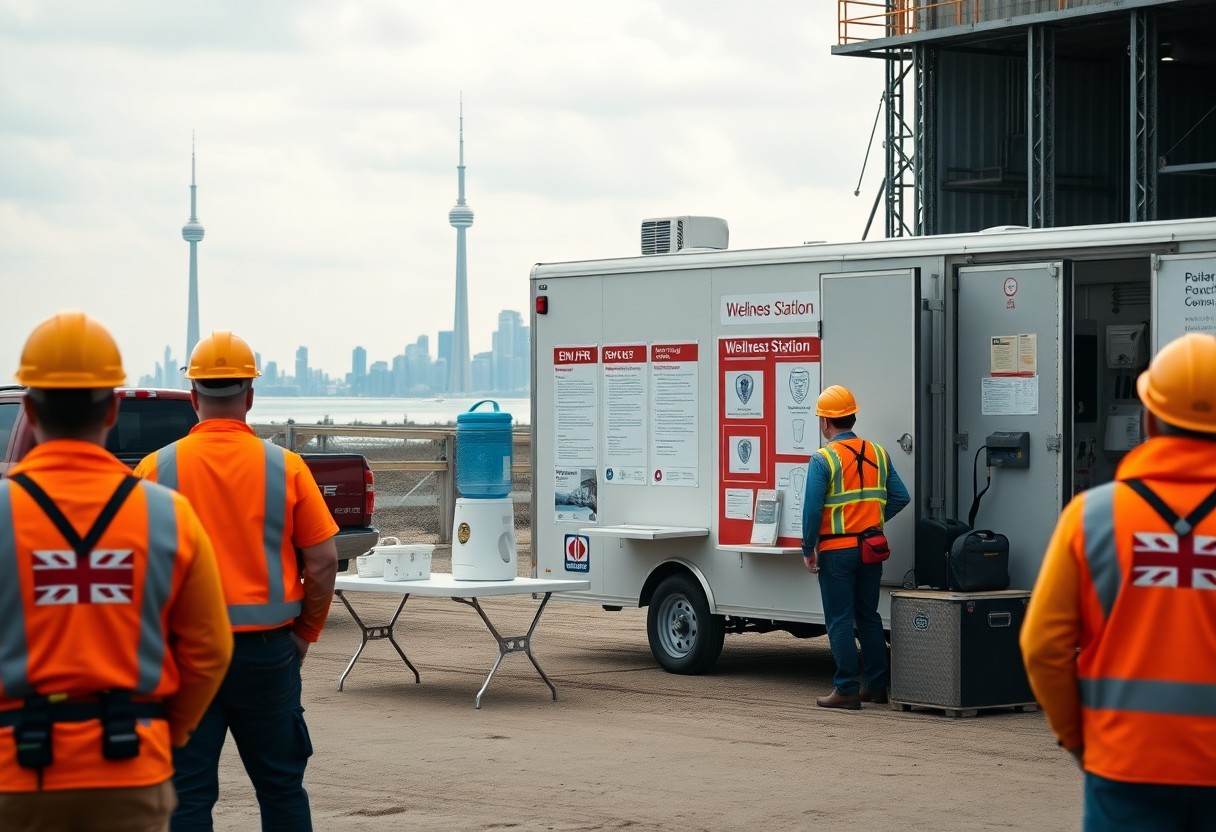
Most construction and field-based teams in Ontario face high-risk physical demands and hazardous working conditions daily. You manage job site stress, extreme weather, and isolation, increasing injury and burnout risks. Yet, proactive wellness strategies deliver measurable improvements in safety, morale, and productivity. You can implement practical, compliant wellness practices tailored to Ontario’s unique work environments.
Key Takeaways:
- Construction and field-based workers in Ontario face unique physical and mental health challenges due to remote job sites, extreme weather, and high-risk tasks, making tailored wellness programs vital.
- Employers who implement on-site mental health support, injury prevention training, and regular safety check-ins see improved morale, fewer incidents, and stronger team cohesion.
- Access to portable wellness resources-like mobile health units, digital check-in tools, and peer support networks-helps bridge gaps for teams working outside traditional office environments.
The Reality of the Site
You face unpredictable weather, heavy machinery, and tight deadlines every day on the job. Injuries from slips, falls, and equipment mishaps are among the most common and dangerous risks in Ontario’s construction environments. Despite these challenges, many teams show up ready, committed to safety and each other’s well-being. Your work is physically demanding, but a strong culture of awareness can make a critical difference.
The Law in Ontario
Ontario’s Occupational Health and Safety Act holds you responsible for maintaining safe working conditions on every job site. You must provide proper training, protective equipment, and clear safety protocols. Failure to comply can result in fines, work stoppages, or criminal charges. Workers have the right to refuse unsafe work, and you’re required to investigate each refusal without retaliation. This legal protection ensures worker safety is never optional.
Fuel for the Body
You need real energy to match the demands of long shifts on Ontario job sites. Proper nutrition directly impacts your strength, focus, and injury recovery. Pack balanced meals with lean protein, complex carbs, and healthy fats-skip the sugary snacks that lead to crashes. Stay hydrated, especially in extreme temperatures. Learn more about sustainable habits through this resource on Health & Wellness for Construction Teams.
The Necessity of Sleep
Sleep directly impacts your focus, reaction time, and emotional resilience on the job site. When you’re sleep-deprived, the risk of accidents increases-one in five workplace injuries is linked to poor rest. Prioritizing mental health for construction teams means recognizing that rest is not a luxury, but a safety requirement. Learn more about building healthier teams at Prioritizing Mental Health for Construction Teams.
Protection from the Elements
You face extreme weather regularly, from Ontario’s freezing winters to humid summer days. Exposure without proper safeguards leads to hypothermia, heat stroke, or long-term injury. Employers must provide appropriate seasonal gear-insulated outerwear, breathable layers, and UV-protective clothing. You are entitled to sheltered rest areas and scheduled breaks when conditions become dangerous. Always monitor forecasts and adjust routines to stay safe.
Conclusion
Considering all points, you ensure safer, more productive worksites by integrating tailored wellness strategies for construction and field-based teams in Ontario. Prioritizing mental health, physical safety, and consistent training directly supports your team’s well-being and operational success, meeting provincial standards while building a culture of care and accountability on every job site.
FAQ
Q: What does workplace wellness include for construction and field-based teams in Ontario?
A: Workplace wellness for construction and field-based teams in Ontario covers physical safety, mental health support, injury prevention, and access to health resources. Workers often face extreme weather, heavy machinery, and remote job sites, so wellness programs include proper personal protective equipment (PPE), hydration stations, fatigue management, and first aid training. Mental health is also part of wellness-supervisors are trained to recognize signs of stress or burnout, and employees can access confidential counseling through the Employee Assistance Program (EAP). These efforts help reduce accidents and improve morale on job sites across the province.
Q: How can employers support mental health for crews working in remote areas?
A: Employers can support mental health by maintaining regular communication, offering mental health training, and ensuring access to support services. Crews in remote or rural parts of Ontario may feel isolated due to long shifts and limited contact with family. Companies provide satellite phones or check-in systems so workers can stay connected. Supervisors receive training in mental health awareness to identify when someone might be struggling. Many firms partner with local health providers or use telehealth services so workers can speak with counselors without traveling. Simple actions like scheduled team meals or downtime for rest also help build a supportive environment.
Q: Are there Ontario regulations that require wellness programs on construction sites?
A: Ontario’s Occupational Health and Safety Act (OHSA) requires employers to protect worker health and safety, which includes elements of wellness. While the law doesn’t use the term “wellness program,” it mandates measures like heat stress plans, fall protection, and violence prevention training-all part of a broader wellness approach. The Ministry of Labour enforces these rules through inspections, especially in high-risk sectors like construction. Employers must also accommodate mental health under the Human Rights Code. Many companies go beyond minimum requirements by introducing wellness initiatives such as stretching programs, smoking cessation support, and nutrition tips tailored to field conditions.
Leave a Reply