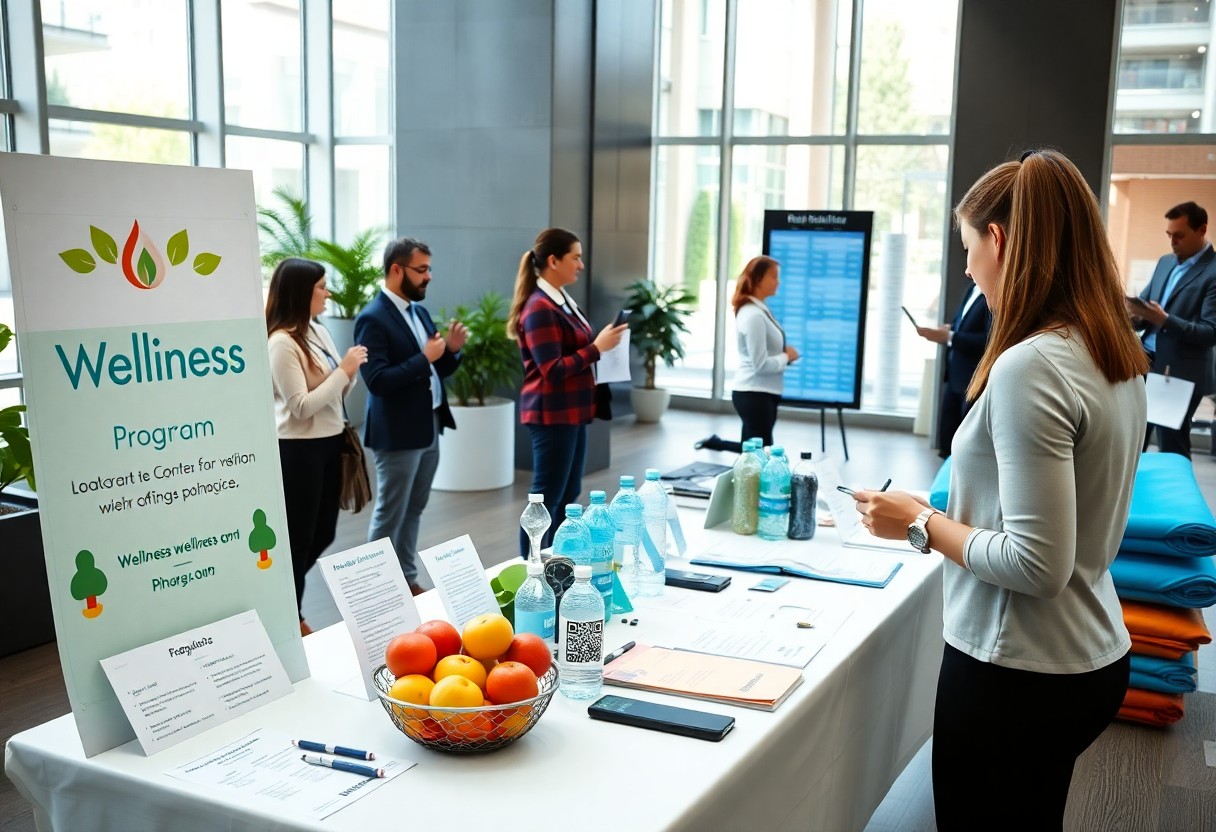
Just because you offer a wellness program doesn’t mean employees will use it-poor engagement can waste resources and damage trust. You need a plan that speaks directly to real needs, offers measurable benefits, and fits naturally into daily work life. Focus on simplicity, relevance, and consistent participation to build something that actually works.
Key Takeaways:
- Employees engage with wellness programs that fit into their daily routines and address real-life needs like stress management, sleep, and physical movement-not just gym memberships.
- Leadership participation and peer involvement increase trust and visibility, making wellness feel like a shared value rather than a top-down mandate.
- Regular feedback and simple, measurable adjustments keep the program responsive and relevant, encouraging long-term participation.
Identifying Workforce Needs and Preferences
To build a wellness program employees actually engage with, you must first understand their real needs. Generic solutions fail because they don’t reflect your team’s unique challenges and interests. By gathering direct input and reviewing health trends within your workforce, you create a foundation for initiatives that feel personal and relevant, increasing both participation and long-term impact.
Conducting comprehensive interest surveys
You uncover what matters most to employees by asking them directly. A well-structured survey reveals preferred wellness activities, ideal times for participation, and communication preferences. When you act on this feedback, workers see their voices reflected in the program, making them more likely to engage and stay committed to their well-being.
Analyzing health risk assessment data
Your employees’ health risk assessments expose patterns that surveys alone can’t. You may discover high stress levels, rising blood pressure trends, or widespread sleep issues. These insights allow you to target specific health concerns with tailored interventions, turning anonymous data into actionable strategies that improve outcomes across departments.
Health risk assessment data goes beyond surface-level preferences-it shows you where real health risks are concentrated. If a significant portion of your workforce reports chronic back pain or elevated anxiety, you can introduce ergonomic workshops or mindfulness sessions. Acting on this information demonstrates that your wellness program isn’t just symbolic; it’s built to address measurable, pressing issues affecting performance and morale. Ignoring these signals means missing the chance to make a tangible difference.
Critical Factors for High Participation Rates
- Executive leadership buy-in drives visibility and credibility
- Employee input ensures relevance and engagement
- Incentives increase motivation and sustained involvement
- Culture alignment makes wellness feel natural, not forced
You see real momentum when your program reflects what employees actually value. Support from the top, meaningful rewards, and authentic integration into daily work life boost engagement. This
Securing executive leadership buy-in
Leaders who actively participate signal that wellness matters. When executives share their own goals or attend wellness events, employees take notice. Your team responds to visible commitment, not just policy. This
Aligning wellness goals with organizational culture
Your wellness initiatives succeed when they mirror existing values. A company that champions teamwork might focus on group fitness challenges. One that values flexibility could promote mental health days. This
Building wellness into your culture means more than offering programs-it means making well-being part of how decisions are made and time is respected. If your organization prides itself on trust and autonomy, then prescriptive health rules will feel out of place. Instead, offer choices that reflect your core values, like flexible scheduling for appointments or mindfulness breaks during high-pressure periods. When employees see wellness as an extension of what the company already stands for, participation rises naturally. This
How to Design Diverse and Inclusive Initiatives
Create wellness offerings that reflect your workforce’s varied backgrounds, abilities, and needs. Inclusion starts with listening-survey employees to learn what health means to them and how they prefer to engage. A one-size-fits-all approach will miss key populations, but tailored options ensure everyone feels seen and supported.
Implementing flexible participation incentives
Offer choices in how people earn rewards-whether through fitness milestones, mental health check-ins, or financial wellness workshops. Flexibility increases engagement because employees can participate in ways that fit their lives. Avoid penalizing those with physical limitations or demanding schedules; instead, recognize diverse forms of effort.
Addressing mental, physical, and financial health pillars
You must support all three pillars equally-mental, physical, and financial health-because they directly impact overall well-being and productivity. Neglecting one area undermines the entire program. Employees facing financial stress or anxiety won’t benefit from gym discounts alone; holistic care drives real results.
When you integrate mental health resources like confidential counseling, promote physical wellness through accessible fitness options, and provide financial education such as debt management or retirement planning, you create a foundation of trust. Employees stay longer, perform better, and feel genuinely valued when they see their employer addressing real-life challenges. This isn’t just wellness-it’s respect in action.
Practical Tips for Effective Internal Communication
- Use consistent messaging across all platforms to build trust and clarity
- Encourage two-way dialogue so employees feel heard and valued
- Share success stories to highlight real impact and inspire participation
Building an Employee Wellness Program 101 offers actionable insights. The more transparent you are, the greater the engagement.
Developing a multi-channel outreach strategy
Reach employees where they already spend time by combining email, intranet, SMS, and team meetings. Different channels appeal to different preferences, increasing the chance your message sticks. The broader your mix, the wider your reach.
Training peer-to-peer wellness ambassadors
Empower enthusiastic employees to model healthy behaviors and share resources within their teams. These ambassadors create trusted, relatable connections that formal HR messaging often lacks. The more authentic the advocate, the stronger the impact.
Peer ambassadors succeed when they receive clear guidance, regular check-ins, and access to up-to-date materials. They’re not therapists, but they can normalize conversations around stress, sleep, and mental health. When peers lead by example, participation rises organically because colleagues see real people benefiting. The human element makes all the difference.
Measuring Program Impact and Effectiveness
To truly understand your wellness program’s value, track clear outcomes over time. Learn how to create an employee wellness program that actually works by focusing on data that reflects real behavioral and cultural change. Success isn’t just participation-it’s sustained engagement and measurable well-being improvements.
Monitoring engagement and retention metrics
Engagement rates and employee retention offer immediate signals about your program’s relevance. Watch for increases in event sign-ups, consistent app usage, or repeat participation. A steady decline suggests disconnect, while growth reflects value. Retention spikes after program launch often reveal its positive influence on job satisfaction and workplace loyalty.
Evaluating long-term shifts in employee morale
Morale changes take time but are among the most telling indicators of success. You’ll notice fewer complaints, more collaboration, and a measurable lift in survey scores over months. These shifts signal deeper cultural impact beyond short-term perks.
When employees consistently report feeling supported, respected, and energized at work, it reflects a transformation rooted in trust and consistency. Anonymous feedback, pulse surveys, and manager check-ins help capture subtle but powerful improvements in workplace sentiment. Over time, higher morale correlates with reduced absenteeism and stronger team cohesion-proof your wellness efforts are reshaping the employee experience from within.
To wrap up
The way you design your wellness program determines whether employees engage or ignore it. You make it personal, accessible, and ongoing. You listen to feedback, offer meaningful incentives, and align initiatives with real employee needs. You build trust by showing consistent support, not just one-off campaigns. You create lasting impact by making wellness part of daily work life.
FAQ
Q: How do we make a wellness program actually appealing to employees?
A: Employees engage with wellness programs when they feel the offerings are relevant to their real lives. Start by asking staff what kind of support they want-through anonymous surveys or small group discussions. Some may value mental health resources, others prefer fitness challenges or flexible schedules. Offer a mix of options like guided meditation sessions, walking meetings, or nutrition workshops. Keep the tone positive and voluntary. When people see peers participating without pressure, they’re more likely to join in.
Q: Can a small company run an effective wellness program on a tight budget?
A: Yes, a small team can build a meaningful wellness program without spending much. Focus on low-cost, high-impact actions. Encourage walking breaks, host weekly stretch sessions in the office, or share healthy recipes in a team chat. Partner with local gyms for discounted memberships or use free apps for mindfulness and sleep tracking. Leadership can model healthy habits by taking real lunch breaks and respecting after-hours time. Simple, consistent actions build a culture of care more than expensive perks.
Q: What if most employees don’t seem interested in the wellness program?
A: Low interest often means the program doesn’t match employee needs or feels like an extra demand. Reassess by asking for honest feedback-find out what’s not working. Maybe the timing is off, the activities feel irrelevant, or people worry about privacy. Adjust based on input. Try shorter, more inclusive events like a 10-minute morning check-in or a monthly wellness poll. Celebrate small wins, like a team hitting a step goal, to build momentum. Engagement grows when people feel heard and see real benefits.
Leave a Reply