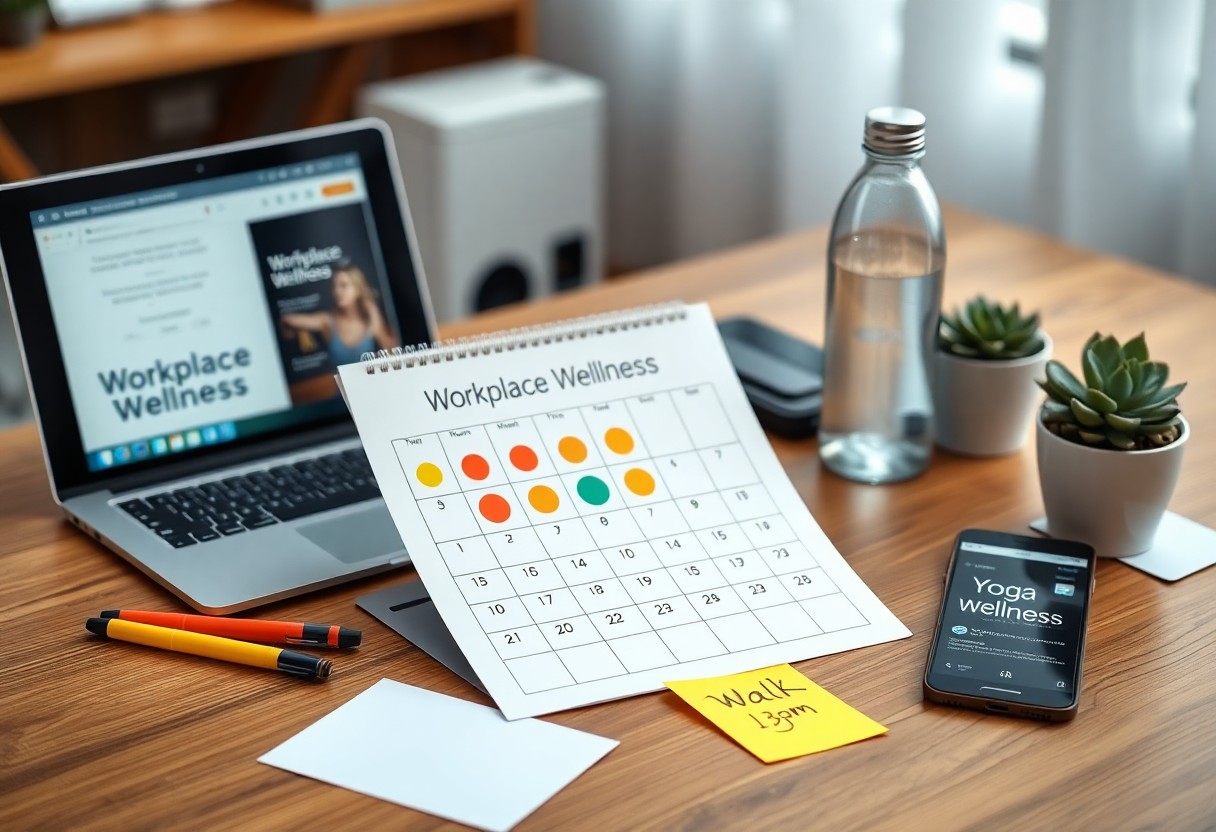
Most workplaces overlook the long-term productivity gains of a structured wellness plan. You can build a monthly calendar that supports mental, physical, and emotional health by identifying key focus areas, scheduling consistent activities, and involving your team. A well-planned calendar delivers measurable reductions in stress and boosts in employee engagement.
Key Takeaways:
- A successful monthly wellness calendar aligns activities with employee needs, so start by gathering input through surveys or focus groups to identify interests like stress management, physical activity, or nutrition.
- Balance variety and consistency by scheduling recurring events-such as weekly stretch breaks or monthly mindfulness sessions-while rotating themes like mental health, ergonomics, or sleep hygiene across weeks.
- Assign team members or departments to lead different weeks to build ownership and engagement, and promote each event early with clear details on time, location, and benefits.
Assessing Key Organizational and Cultural Factors
Understanding your workplace culture shapes the success of your wellness calendar.
- Recognize existing team dynamics and communication styles
- Align initiatives with core company values
- Respect departmental differences in workload and schedules
This ensures relevance and encourages genuine participation across all levels.
Identifying Employee Health Priorities and Interests
You uncover real needs by listening to your team through surveys or focus groups. Highlight common concerns like stress, posture, or sleep, and note popular interests such as yoga or nutrition. Employee input drives engagement and relevance. This builds trust and shows you value their well-being.
Evaluating Budgetary and Resource Constraints
Start by reviewing available funds and internal capabilities. Limited budgets don’t block success-they guide creativity. Use existing spaces, staff talent, or free digital tools. This keeps initiatives sustainable without sacrificing impact.
Look closely at what you already have before seeking new expenses. Can HR lead a mental health chat? Can a fitness-minded employee host a lunchtime walk? Low-cost activities often generate higher engagement because they feel authentic. Outside vendors can wait-build momentum first. This turns constraints into long-term advantages.
How to Select Impactful Monthly Wellness Themes
Choose themes that reflect your team’s real needs and interests to ensure engagement. Look at employee feedback, health assessments, or past participation data to guide your decisions. Relevance increases participation, so pick topics that resonate personally while supporting long-term well-being goals.
Aligning Activities with National Health Observances
Tap into recognized events like American Heart Month or Mental Health Awareness Month to add context and urgency. These observances lend credibility and provide ready-made resources. You’ll save planning time while boosting awareness through shared national focus.
Balancing Holistic Dimensions of Well-being
Design themes that go beyond physical health to include emotional, social, and financial wellness. Employees thrive when all areas are supported, not just one. A well-rounded calendar prevents burnout and shows genuine care for their overall quality of life.
Well-being isn’t just about fitness challenges or nutrition tips-it includes how people feel emotionally, how connected they are at work, and how secure they feel financially. Rotate themes monthly to cover stress management, sleep hygiene, financial planning, and team connection. This balance prevents fatigue and increases inclusion, allowing more employees to find value in your program regardless of their personal wellness starting point.
Designing a Functional and Engaging Calendar Layout
Your calendar should balance structure with flexibility, offering clear space for daily wellness activities while remaining visually inviting. A well-organized layout helps teams stay informed and reduces confusion about scheduled events. You’ll want each week to feel intuitive, guiding users naturally from one activity to the next without clutter or ambiguity.
Selecting Optimal Digital and Physical Formats
Digital calendars offer real-time updates and easy sharing across teams, making them ideal for remote or hybrid workplaces. A physical version posted in common areas reinforces visibility and encourages spontaneous participation. Choose formats that align with your team’s workflow-consistency between platforms ensures no one misses key wellness moments.
Utilizing Visual Hierarchy for Better Readability
Size, color, and placement guide attention to the most important entries first. Bold headers highlight weekly themes, while contrasting colors distinguish activity types. This structure prevents overload and makes scanning effortless-employees absorb key details in seconds, increasing engagement without extra effort.
When you prioritize visual hierarchy, you’re not just organizing information-you’re shaping behavior. Large, bold titles draw the eye to weekly wellness themes, while secondary details like time and location appear in smaller, subtler text. Use color coding strategically: green for mindfulness, blue for fitness, and orange for social events creates instant recognition. White space is just as important; overcrowding dilutes impact and discourages engagement. With a clean, intentional layout, your team can instantly grasp what’s happening and when, making participation feel natural rather than burdensome. Clear visual cues reduce mental effort, which increases follow-through on wellness initiatives.
Expert Tips for Curating High-Quality Content
Build trust by selecting materials from credible health organizations and certified professionals. Use a mix of formats-videos, infographics, and short articles-to boost engagement. Keep messaging clear and inclusive, focusing on actionable steps.
- Prioritize evidence-based information
- Align content with employee interests
- Update resources monthly
Recognizing
Sourcing Evidence-Based Health Resources
You can rely on government health sites, academic journals, and recognized medical institutions for accurate information. Avoid content from unverified blogs or influencers without credentials. Peer-reviewed studies and guidelines from agencies like the CDC or WHO offer reliable foundations. Sticking to these sources ensures your calendar promotes safe, effective wellness practices.
Integrating Low-Cost and No-Cost Wellness Activities
You strengthen participation by offering accessible options like guided stretching breaks, walking challenges, or mindfulness minutes. These activities require minimal setup and reach all team members equally. Free digital tools and internal experts can lead sessions at little to no expense. Recognizing
Start with simple actions that fit into existing routines, such as a 10-minute lunchtime yoga video or a hydration tracking challenge. Use internal talent-like a colleague who practices meditation or nutrition-to lead voluntary sessions. Platforms like YouTube or public health websites offer high-quality, no-cost content you can legally share. These approaches maintain engagement without straining budgets.
Strategic Implementation and Promotion Techniques
Start by aligning your wellness calendar with company goals and employee needs to ensure relevance and impact. Use the 12-Month Planner for Creating Workplace Wellness Campaigns as your roadmap to structure monthly themes and activities. Consistent planning and visibility increase participation and show employees that their well-being is a priority.
Leveraging Multi-Channel Internal Communications
Share each month’s wellness focus across email, intranet, bulletin boards, and team meetings to maximize reach. Diverse communication channels meet employees where they are, increasing awareness and reducing the chance of messages being overlooked. Visual reminders and leadership shout-outs further amplify engagement.
Incentivizing Participation and Long-Term Engagement
Offer small rewards like gift cards, extra break time, or recognition for completing wellness challenges. Consistent incentives motivate employees to join and stay involved, turning short-term actions into lasting habits. The right encouragement makes well-being feel personal and achievable.
Turning participation into a habit requires more than one-off prizes. Build a system where employees earn points for attending sessions, logging activity, or referring colleagues, which can be redeemed over time. Long-term engagement grows when recognition is frequent and meaningful, and when employees see real value in taking part. Peer challenges and team-based goals also deepen commitment and foster natural accountability.
Monitoring Effectiveness and Gathering Feedback
To ensure your wellness calendar delivers real value, regularly measure its impact by tracking participation and collecting honest employee feedback. Use anonymous surveys and open-ended questions to learn what’s working. Explore proven inspiration by reviewing this comprehensive list of 121 Employee Wellness Program Ideas to benchmark your offerings and spark new ones.
Analyzing Participation Data and Engagement Metrics
Your calendar’s success hinges on measurable engagement. Track attendance, event sign-ups, and platform interactions to identify which activities resonate. Low turnout on certain days may signal poor timing or lack of interest. Use this data to adjust frequency, format, or themes-ensuring future initiatives align with actual employee behavior.
Refining Future Calendars Based on Employee Input
Employee voices should directly shape your next wellness calendar. After each monthly cycle, review feedback to spot trends in preferences and concerns. Positive responses to mindfulness sessions or fitness challenges can guide future planning, while criticism offers a clear path for improvement.
When refining future calendars, go beyond surface-level changes. If employees consistently request shorter lunchtime sessions or more family-inclusive events, act on those insights immediately. Aligning your offerings with real needs increases trust and participation. Long-term success comes not from assumptions, but from listening and adapting with purpose.
To wrap up
You create a monthly workplace wellness calendar by identifying employee interests, scheduling balanced activities, and maintaining consistent communication. A well-structured plan supports engagement and long-term health. You keep it effective by reviewing feedback and adjusting monthly themes to meet evolving needs, ensuring participation remains strong and meaningful.
FAQ
Q: How do I structure a monthly workplace wellness calendar?
A: Start by dividing the month into weekly themes such as physical health, mental well-being, nutrition, and stress management. Assign one activity or initiative per week that aligns with the theme. For example, the first week could include a 10-minute morning stretch session every Monday, while the second week might feature a guided mindfulness break on Wednesdays. Include a mix of short daily prompts and one longer event per week, like a lunchtime walk or a guest speaker. Use a shared digital calendar or office bulletin board to post the schedule so everyone can see upcoming activities.
Q: What types of wellness activities work best in a workplace setting?
A: Activities that require minimal time and equipment tend to have higher participation. Desk-friendly options like seated yoga, breathing exercises, or hydration challenges fit easily into the workday. Team-based initiatives such as step-count competitions, healthy potlucks, or gratitude journaling encourage connection. Mental wellness can be supported with quiet zones, anonymous stress-relief suggestion boxes, or optional workshops on sleep or time management. The key is variety and accessibility-offer something for different interests and energy levels without disrupting core work responsibilities.
Q: How can I keep employees engaged with the wellness calendar over time?
A: Rotate activities monthly to maintain interest and gather feedback through quick anonymous surveys to learn what people enjoy. Let team members volunteer to lead a session or suggest new ideas, which builds ownership. Recognize participation with small, non-monetary acknowledgments like “Wellness Champion of the Week” shout-outs in team meetings. Share simple progress updates, such as “80% of the team joined the mindfulness break this week,” to create a sense of shared effort. Consistency matters more than complexity-regular, predictable moments of wellness become part of the office routine.
Leave a Reply