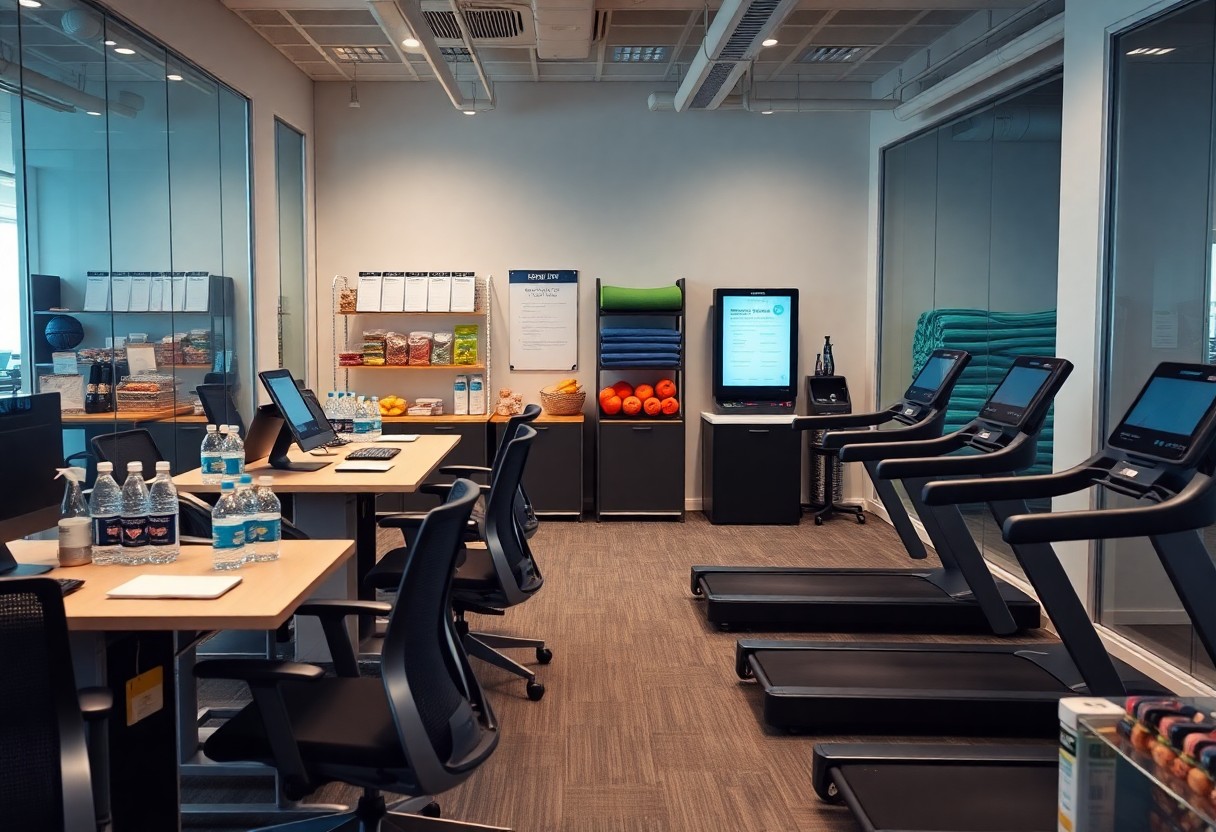
Most wellness programs fail because they’re reduced to slogans instead of real action. You can build lasting change by embedding measurable, daily practices into your culture. Real wellness means consistent support, not just aesthetics-your team’s health depends on it.
Key Takeaways:
- Employee wellness programs work best when leadership actively participates and models healthy behaviors, showing employees the organization truly values well-being.
- Real impact comes from integrating wellness into daily operations-like flexible schedules, mental health support, and ergonomic workspaces-rather than relying on one-off initiatives or decorative messaging.
- Listening to employee feedback and tailoring programs to actual needs increases engagement and trust, making wellness a lived experience, not just a slogan on a wall.
Assessing the Current State of Workplace Culture
You can’t improve what you don’t understand. Take a clear-eyed look at how employees experience your workplace every day. Real culture lives in behavior, not slogans, so observe interactions, decision-making, and where people invest their time and energy.
Identifying superficial wellness initiatives
Many companies offer yoga mats and fruit bowls while ignoring burnout and unrealistic workloads. If wellness feels like a performance, it probably is. Spot these token efforts by asking whether they address root causes or just create the appearance of care.
Gathering employee feedback on actual needs
Employees know exactly what would improve their well-being-if you ask them directly. Anonymous surveys and open forums reveal gaps leaders often miss. This input turns assumptions into actionable, meaningful change.
Start by designing feedback channels that protect honesty-anonymous pulse surveys, small-group listening sessions, or third-party facilitated discussions. Focus questions on daily stressors, workload fairness, and psychological safety. When employees see their input shaping real policy, trust deepens and engagement rises. Avoid one-off surveys; make listening an ongoing practice woven into your operations.
Securing Leadership Commitment and Participation
Leadership buy-in transforms wellness from a perk into a priority. When executives actively engage-not just approve-employees notice. Your team takes cues from the top, and authentic participation signals that wellness matters. Without it, even the best programs fade into background noise.
Moving beyond budget approval to active modeling
Signing the budget isn’t enough. You must show up-take walking meetings, join wellness challenges, and respect time off. When leaders visibly prioritize their own health, it gives permission for others to do the same. Action speaks louder than policy.
Establishing wellness as a core business value
This isn’t about adding another initiative-it’s about redefining success. You embed wellness into performance goals, promotion criteria, and daily operations. Wellness becomes part of how work gets done, not something separate you do after. It shifts culture from reactive to sustainable.
When you treat wellness as a strategic pillar, not a side program, it influences hiring, scheduling, and decision-making at every level. You measure burnout risk like revenue risk and reward managers who protect team well-being. This alignment drives retention, focus, and long-term performance-proving that healthy teams aren’t a cost, but a competitive advantage.
Integrating Wellness into Daily Operations
You make wellness real when it shows up in everyday workflows, not just on breakroom walls. Wellness integrated into operations becomes part of company culture, not a side initiative. Simple actions-like starting meetings with a check-in or offering healthy snacks-signal that employee well-being matters in practice, not just in policy.
Designing flexible work schedules and environments
Flexibility supports wellness by respecting individual rhythms and responsibilities. Employees perform better when they control when and where they work. Offer remote options, adjustable hours, and quiet spaces to help people focus or recharge-small changes that show trust and reduce burnout over time.
Normalizing mental health breaks and boundaries
Time away to reset is not laziness-it’s performance maintenance. Encourage short, regular breaks and respect after-hours boundaries. When leaders step away without apology, it gives others permission to do the same, building a culture where mental recovery is expected, not excused.
When you openly take a walk to clear your head or mute notifications after 6 PM, you send a powerful message. These actions dismantle the stigma around mental health and prove the company values sustainability over constant availability. It’s not about working harder-it’s about working human.
Critical Factors for Sustaining Long-Term Engagement
- Consistency in wellness initiatives builds trust and routine
- Leadership involvement signals genuine organizational commitment
- Employee feedback ensures programs remain relevant and adaptive
- Measurable outcomes help refine strategies over time
Thou shape lasting change when culture, action, and listening align.
Personalizing programs for diverse demographics
Design matters when addressing varied life stages, cultures, and health needs. Tailor offerings with flexible options-mental health resources, fitness levels, family responsibilities-so every employee feels seen. Relevance drives participation, and participation fuels impact. Thou succeed by meeting people where they are.
Creating a peer-to-peer support network
Connection thrives when colleagues share struggles and strategies. Launch small, voluntary groups where employees exchange wellness tips, hold gentle accountability, and offer encouragement. These informal circles build trust and normalize self-care. Thou strengthen culture when support comes from within.
Peer networks work because they’re grounded in real experience, not policy. When someone shares how they manage stress or stay active during night shifts, it resonates more than any corporate memo. These conversations spark lasting behavior change and create pockets of resilience across teams. Visibility and psychological safety ensure these groups grow organically and remain inclusive.
Practical Tips for Communicating Wellness Benefits Effectively
- Use clear language to explain available wellness programs
- Share real employee success stories to build trust and relatability
- Train managers to discuss benefits in everyday conversations
- Reinforce messaging through regular, consistent touchpoints
Thou strengthen engagement when employees truly understand what’s offered and how to access it.
Utilizing multi-channel internal messaging
People absorb information differently, so deliver wellness updates across email, intranet, team meetings, and mobile alerts. This ensures broader reach and keeps programs top of mind. Rotate content formats-videos, infographics, quick tips-to maintain interest. Consistent presence across platforms makes support feel immediate and real.
Highlighting accessibility and ease of use
Employees engage more when signing up takes minutes, not forms. Showcase simple enrollment steps and mobile-friendly tools. Feature testimonials from staff who’ve used the services effortlessly. When access feels frictionless, participation naturally rises. Thou remove barriers, and people will walk through the door.
Make access points visible and intuitive-embed links in payroll portals, include QR codes on pay stubs, or add wellness shortcuts to internal dashboards. Offer support in multiple languages and provide options for those with limited digital access. When employees see that help is truly within reach-no confusion, no red tape-they’re far more likely to act. Clarity breeds action, not just awareness.
Measuring Impact Beyond Participation Rates
Real success in wellness isn’t just headcounts-it’s outcomes. You need to see how programs affect daily performance and culture. Explore the 23 Must-Have Ideas for Your Employee Wellness Program to build initiatives that deliver measurable, lasting value beyond sign-up sheets.
Tracking productivity and retention metrics
You can spot real progress by watching output, absenteeism, and turnover. Teams with strong wellness engagement often show higher focus and lower burnout. When you link wellness efforts to these numbers, leadership sees their true worth in operational success.
Evaluating long-term behavioral changes
You know a program works when habits shift for good. Look for sustained choices like regular exercise, better sleep patterns, or reduced stress responses. These enduring improvements signal deep cultural change, not just short-term interest.
Long-term behavioral change means employees internalize wellness as part of their routine, not a perk they sample once. When you see people consistently choosing healthier options-like taking walking meetings or using mental health resources-you’re witnessing real transformation. This level of adoption only happens when programs are accessible, relevant, and supported by leadership over time.
Summing up
The way you design your wellness initiatives determines their real impact. You move beyond slogans when you listen to employees, align programs with actual needs, and integrate well-being into daily operations. Your culture shifts not by posting promises, but by consistently acting on them.
FAQ
Q: How can companies move beyond just promoting wellness to actually supporting it?
A: Real support starts with consistent action, not slogans. Instead of hanging posters about stress reduction, offer flexible work hours or mental health days. Replace one-off wellness events with ongoing programs like monthly fitness challenges, access to counseling, or lunch-and-learn sessions on nutrition. Leadership must participate visibly-when managers take breaks and use wellness benefits, employees feel safer doing the same. The key is embedding wellness into daily operations, not treating it as a side initiative.
Q: What role does company culture play in employee wellness?
A: Culture shapes how employees feel about their work and well-being. A culture that rewards overwork sends the message that burnout is acceptable. In contrast, teams that encourage open conversations about mental health, respect personal time, and recognize effort without glorifying long hours create space for real wellness. Simple practices-like not sending emails after hours or starting meetings with a check-in on how people are feeling-can shift norms. When wellness is part of the culture, it doesn’t need to be advertised; it’s lived.
Q: How can small or mid-sized businesses implement wellness programs with limited resources?
A: Size and budget don’t determine impact. Start with low-cost, high-value actions: create walking meeting options, set up a shared calendar for personal time blocks, or partner with local gyms for discounted memberships. Use free tools like meditation apps or online stretching guides. Encourage peer-led initiatives, like a lunchtime walking group or a healthy recipe swap. The goal isn’t perfection-it’s showing employees the company cares. Even small, consistent efforts build trust and improve well-being over time.
Leave a Reply