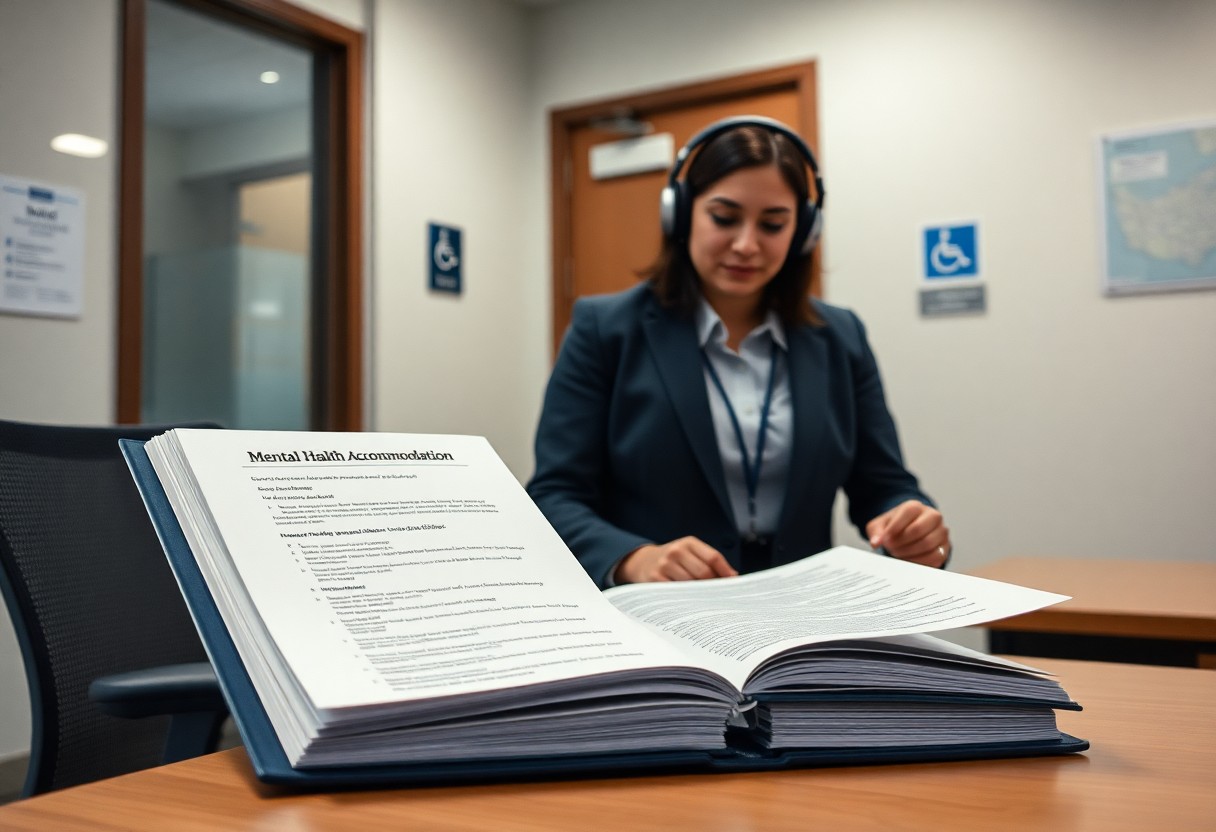
Most Ontario employers are legally required to accommodate employees’ mental health needs to the point of undue hardship. Failing to do so can result in human rights complaints and financial penalties. You must recognize signs of mental illness, respond promptly, and engage in confidential, individualized assessments. Proactive policies lead to healthier workplaces and reduced absenteeism.
Key Takeaways:
- Employers in Ontario have a legal duty to accommodate employees with mental health conditions under the Human Rights Code, which means making adjustments to job duties, schedules, or work environments when needed and feasible.
- Accommodation requests related to mental health do not always require a formal diagnosis-employers can work with general medical notes or information from healthcare providers to understand limitations and supports required.
- Open communication and individualized assessments are necessary; each situation must be reviewed on a case-by-case basis to balance employee needs with operational realities while maintaining confidentiality.
The Boss Must Ask
Employers hold a legal duty to inquire when signs of mental distress emerge in the workplace. You can’t wait for employees to speak up-proactive observation and timely questions are required under Ontario’s Human Rights Code. Ignoring visible changes may be seen as discrimination.
Watching for Trouble
Changes in attendance, performance, or behaviour may signal mental health struggles. You’re expected to notice patterns like increased absenteeism or irritability. Staying alert helps you act early and meet your duty to accommodate.
Speaking Plainly
Direct, compassionate conversations remove confusion and reduce stigma. Ask clear, respectful questions about what support someone might need-without prying into diagnoses. This opens the door to effective accommodation.
When speaking plainly, focus on observable facts and specific concerns. Say, “I’ve noticed you’ve been missing team meetings lately-how can we support you?” rather than making assumptions. This approach respects privacy while fulfilling legal obligations and builds trust that encourages honest dialogue.
The Limit of Help
You are not expected to provide medical treatment or therapy. Your role is to offer reasonable accommodations within the workplace. You must respond to documented needs, but you aren’t required to guarantee outcomes or absorb unlimited costs.
The Cost of Care
Expenses tied to accommodation should remain reasonable. You aren’t obligated to fund treatments beyond what’s necessary for job performance. Many solutions, like flexible hours or modified duties, involve little to no cost but yield strong returns in productivity and morale.
The Safety of the Shop
Safety remains your legal responsibility. If a mental health condition poses a direct threat to the individual or others, you may adjust duties or request updated medical information. Accommodation ends where imminent risk begins.
When concerns about workplace safety arise, you have the right to seek current, detailed input from qualified health professionals. This isn’t about questioning someone’s condition-it’s about ensuring everyone returns home unharmed. Clear, documented assessments protect both employees and your business while upholding your duty under Ontario’s human rights framework.
Facts From the Doctor
Your doctor’s note should focus on functional limitations, not diagnosis. Employers have the right to understand how your condition affects work performance, but not your private medical details. A proper note outlines restrictions and supports needed, helping create an effective accommodation plan without overstepping privacy boundaries.
What the Body Can Do
Capacity matters more than illness. Focus shifts to what you can do daily, not what you can’t. Employers use this to adjust tasks, schedules, or environments. Clear, realistic descriptions of abilities allow for practical, lawful workplace changes that support your return or continued work.
Keeping the Secret
Medical privacy is protected by law. You’re not required to disclose your diagnosis-only functional impacts. Employers must keep any shared information confidential and limit access to those managing accommodation. Trust hinges on respecting this boundary, ensuring dignity and legal compliance.
Sharing personal mental health details can feel risky, but Ontario law is clear: privacy is non-negotiable. When you provide documentation, it should go only to HR or designated personnel, not supervisors or coworkers. Forcing disclosure of a diagnosis can be a human rights violation. You control what is shared, and employers must act on functional needs without prying into medical history. This protection allows you to seek support without fear of stigma or misuse of sensitive information.
Working Together
Collaboration between you, your employee, and healthcare providers ensures effective mental health accommodation. Open communication helps identify practical solutions while respecting privacy. You are not expected to diagnose, but you must respond appropriately when a need is disclosed. Failing to engage in this process can lead to human rights complaints.
The Shared Burden
Both you and your employee hold responsibilities during accommodation. You must provide reasonable adjustments, while employees should cooperate and share necessary medical information. Refusing to participate without valid reason may limit your legal obligation to accommodate.
The Written Word
Documenting accommodation plans protects both you and your employee. A written agreement clarifies expectations, timelines, and support measures. Without documentation, misunderstandings can escalate into legal risks.
Putting accommodations in writing creates a clear record of what was agreed upon and by whom. This includes modified duties, schedule changes, or access to resources. If disputes arise later, your documented plan serves as evidence of good faith efforts. Oral agreements, while valid, are harder to prove and more vulnerable to misinterpretation. Always keep records confidential and stored securely.
The Quality of Work
Quality of work remains a legitimate performance standard, even when accommodating mental health needs. You can expect consistent output, but rigid definitions of “quality” may need re-evaluation to reflect realistic, inclusive standards. For guidance, review the Workplace accommodation – A guide for federally regulated workplaces, which clarifies how to balance expectations with equity.
The Sick and the Lazy
Stereotyping employees as lazy because they struggle with mental illness is both inaccurate and discriminatory. You have a duty to assess each situation individually, recognizing that invisible disabilities are still protected under human rights law. Assumptions undermine trust and expose your organization to legal risk.
Small Changes
Minor adjustments often make the biggest difference in supporting mental health. You don’t need sweeping overhauls-flexible start times or quiet workspaces can significantly improve focus and well-being. These low-cost steps demonstrate respect and reduce stigma.
Simple modifications like allowing remote work one day a week or offering written instructions instead of verbal ones can remove daily stressors. You maintain productivity while showing employees they are valued. These accommodations often cost nothing but yield high returns in loyalty and performance. Start small, measure impact, and build from there.
Conclusion
On the whole, you must recognize your legal and ethical responsibilities when accommodating mental health in the workplace. Ontario’s human rights framework requires you to respond to mental health needs with the same diligence as physical disabilities. Proactive policies, open communication, and individualized assessments protect both employees and your organization.
FAQ
Q: What legal obligations do Ontario employers have regarding mental health accommodation?
A: Ontario employers must comply with the Human Rights Code, which requires them to accommodate employees with mental health disabilities to the point of undue hardship. This means making reasonable changes to job duties, work hours, or the workplace environment when a mental health condition affects an employee’s ability to perform their role. Employers cannot ignore requests for accommodation and must engage in a timely, good-faith process to assess individual needs. Refusing to accommodate without valid justification can lead to human rights complaints and financial penalties.
Q: How should an employer respond when an employee discloses a mental health issue?
A: An employer should respond with respect, confidentiality, and a willingness to discuss possible accommodations. The employee does not need to share a diagnosis, but they should provide enough information to confirm a need for accommodation. Managers should avoid making assumptions about the employee’s capabilities and instead ask open-ended questions like, “What support do you need to succeed in your role?” Documentation, such as a note from a healthcare provider outlining functional limitations, can guide the accommodation process. The goal is to find practical solutions that allow the employee to remain productive and engaged.
Q: Can an employer require medical documentation for a mental health accommodation request?
A: Yes, but only to a reasonable extent. Employers can ask for information that confirms the existence of a disability, how it affects the employee’s work, and what limitations require accommodation. They cannot demand full medical records or a specific diagnosis. Overreaching requests for personal health details may violate privacy laws and the employee’s rights under the Human Rights Code. The focus should stay on functional needs, not medical history. Once the employer has enough information to act, they must begin the accommodation process without delay.
Leave a Reply