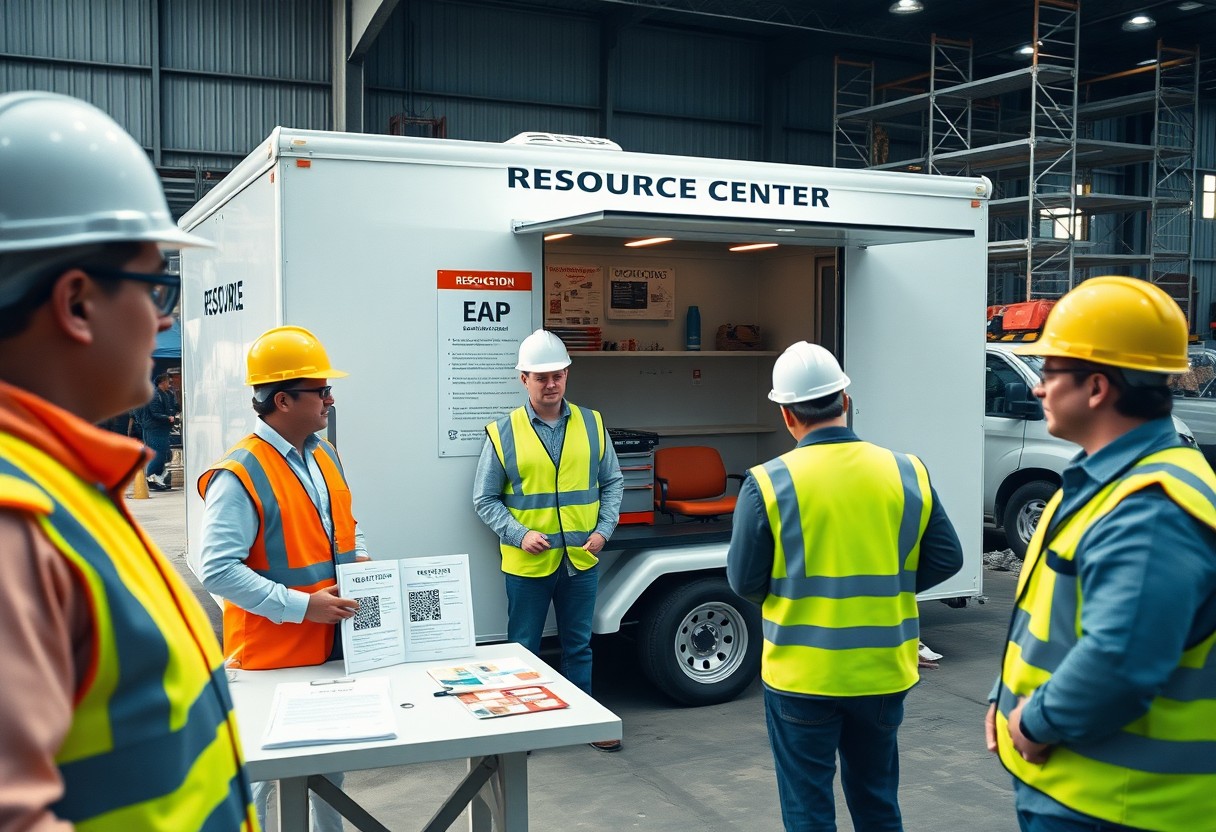
Support your team by recognizing that mental health challenges are common in physically demanding jobs. Construction, manufacturing, and field work carry high stress and isolation risks, but open communication and accessible resources can lead to stronger, safer, and more productive teams. You play a direct role in creating that environment.
Key Takeaways:
- Workers in construction, manufacturing, and field roles face high stress due to physical demands, isolation, and job insecurity-regular check-ins from supervisors can open space for honest conversations about mental well-being.
- Training managers to recognize signs of anxiety, depression, or burnout helps create a workplace where mental health concerns are met with support, not stigma.
- Providing access to confidential counseling and flexible scheduling gives workers practical tools to manage mental health without fear of judgment or job loss.
Identifying Risk Factors in Physical Labor Environments
Physical labor environments expose workers to multiple mental health risks due to constant physical strain, unpredictable schedules, and isolation. Common contributors include prolonged exposure to noise, extreme temperatures, and high-pressure deadlines. Limited access to support systems amplifies stress.
- Repetitive tasks increase mental fatigue
- Job insecurity fuels anxiety
- Lack of control over work conditions reduces morale
Any sustained exposure to these conditions raises the likelihood of long-term psychological harm.
Environmental stressors in construction and manufacturing
Noise, heat, and hazardous materials shape the daily reality in these settings. Constant exposure to loud machinery disrupts focus and elevates stress hormones. Poor ventilation and shift work interfere with sleep and mood regulation. Working at heights or in confined spaces adds psychological pressure. Any persistent environmental strain can silently erode mental well-being over time.
Recognizing signs of burnout and fatigue in field teams
You may notice a usually reliable worker becoming withdrawn or irritable. Missed deadlines, increased errors, and lack of engagement signal emotional exhaustion. Physical signs like constant tiredness or frequent illness point to deeper strain. Any consistent change in behavior demands immediate, compassionate attention.
Burnout in field teams often develops gradually, masked as simple tiredness. You might see reduced cooperation, cynicism about tasks, or a drop in productivity despite long hours. Workers may stop participating in safety briefings or skip breaks, mistaking overwork for dedication. Left unaddressed, chronic fatigue can lead to accidents or serious mental health crises. Catching these signs early allows for timely intervention and support.
How to Foster a Culture of Psychological Safety
You create trust when team members feel safe speaking up without judgment. In high-pressure environments like construction or field work, silence can mask distress. Leaders who model vulnerability and respond with empathy set the tone. Psychological safety isn’t about comfort-it’s about creating a space where mental well-being is treated with the same urgency as physical safety.
Encouraging open dialogue regarding mental well-being
People talk when they believe they’ll be heard. Start regular check-ins that go beyond “How’s the job going?” and ask, “How are you doing?” Normalize conversations about stress, fatigue, and emotional strain. When workers see peers and supervisors openly discussing mental health, stigma begins to dissolve.
Establishing protocols for reporting distress without fear of reprisal
Systems must protect those who speak up. Workers need clear, confidential ways to report emotional distress without risking their job or reputation. Anonymous hotlines, trusted onsite contacts, and union-backed channels can help. The assurance of no retaliation is non-negotiable-without it, protocols fail.
Designing effective reporting pathways means more than posting a number on a breakroom wall. You must actively communicate how reports are handled, who has access, and what follow-up looks like. Train supervisors to respond with care, not suspicion. When a worker uses the system and sees a respectful, actionable response, trust solidifies-and others are more likely to come forward.
Practical Tips for Implementing On-Site Support Systems
- Train supervisors to recognize signs of mental distress
- Establish clear, confidential reporting channels for workers
- Integrate mental health topics into regular safety briefings
- Post support resources in common areas like break rooms
You build trust by normalizing conversations around emotional well-being. Thou show leadership not through grand gestures but consistent, quiet support.
Integrating mental health breaks into daily production schedules
Designate short, structured pauses during shifts where crews can step away from tasks. These moments aren’t downtime-they’re necessary resets that reduce stress and improve focus. Thou reinforce that taking a breath isn’t weakness; it’s part of working safely.
Providing access to confidential counseling and EAPs
Ensure every worker knows how to reach an Employee Assistance Program without fear of judgment or job consequences. Anonymity is non-negotiable-this trust keeps people from suffering in silence. Thou protect privacy as fiercely as you would a site safety protocol.
When you offer confidential counseling, you give workers a lifeline that respects their dignity. These services must be easy to access-available by phone, text, or app-so help is never more than a few taps away. Coverage should include family issues, substance use, and acute stress, because mental health doesn’t operate in isolation. Thou recognize that a worker who feels heard is more likely to stay engaged, present, and safe.
Addressing Stigma Through Leadership and Communication
Leaders set the tone for how mental health is viewed on site. When supervisors openly discuss emotional well-being, it reduces shame and encourages honesty. Visit Construction industry mental wellness – WTW for actionable strategies tailored to high-risk environments. Your voice can make a difference.
Leading by example to normalize mental health discussions
You have the power to shift culture simply by speaking up. When you share your own challenges calmly and honestly, it signals to others that struggling is not weakness. Team members notice when leaders prioritize mental well-being-it gives them permission to do the same without fear.
Utilizing toolbox talks for regular wellness check-ins
Start each meeting with a one-minute mental wellness question instead of skipping straight to safety stats. This small shift makes emotional health part of daily routine. Normalizing these conversations saves lives, especially in isolated or high-pressure field roles where silence can be deadly.
Toolbox talks are already trusted moments for safety updates, making them ideal for mental health check-ins. By integrating simple, non-invasive questions-like “How’s everyone holding up this week?”-you create space for honest responses without pressure. These brief, consistent interactions help identify early signs of distress and reinforce that mental well-being is treated with the same urgency as physical safety. Over time, this practice builds trust and encourages workers to speak up before crises occur.
How to Monitor and Evaluate Mental Health Initiatives
Tracking progress ensures your mental health efforts deliver real impact. Use clear benchmarks and collect data regularly to assess changes in worker well-being. Anonymous surveys, participation rates, and incident reports reveal patterns over time. Knowing how initiatives affect daily life on-site helps justify continued investment and refine future actions.
Key factors for measuring program effectiveness
- Worker participation rates in mental health programs
- Reduction in reported stress or burnout incidents
- Frequency of mental health conversations in team settings
- Utilization of support resources like counseling or hotlines
Look for shifts in behavior and engagement over time. Higher involvement and more open dialogue signal growing trust. Knowing what resonates with your team guides smarter decisions moving forward.
Adjusting strategies based on worker feedback and participation
Changes should reflect what workers actually say and do. Low turnout or repeated concerns in surveys highlight where programs miss the mark. Adapt timing, format, or messaging to better fit field realities. Knowing your crew’s preferences keeps support relevant and respected.
When workers consistently skip sessions or give candid input about discomfort, it’s a signal to reassess. Maybe the delivery feels impersonal, or timing clashes with shift changes. Rotate formats-try short toolbox talks or peer-led circles instead of formal trainings. Real adjustments show you’re listening, which builds trust and increases engagement. Over time, this responsiveness leads to stronger buy-in and more honest feedback, creating a cycle of continuous improvement that aligns with the actual needs of your teams.
Essential Factors for Long-Term Program Sustainability
- You must secure consistent budget and resources to maintain mental health support.
- Peer support advocates strengthen trust and encourage help-seeking behavior.
- Ongoing engagement keeps initiatives visible and effective over time.
Learn how to implement mental health initiatives on construction sites successfully. This builds lasting change where it’s needed most.
Securing budget and resource allocation for wellness
Leadership must prioritize mental health by assigning dedicated funds and personnel. Without financial backing, even the best programs fail. This ensures your wellness efforts remain active and accessible.
Training peer support advocates within the workforce
Workers trust colleagues who understand job-specific stressors. Training peers to recognize signs of distress creates an immediate support network. This strengthens team resilience in high-pressure environments.
Peer advocates are often the first to notice changes in behavior or mood on-site. They provide informal, non-judgmental listening and guide others toward professional help when needed. Because they share the same work culture, their support feels more approachable than formal channels. This builds a sustainable, human-centered layer of mental health protection across your operations.
Summing up
You support mental health in construction, manufacturing, and field work by normalizing conversations around emotional well-being, offering access to confidential resources, and training supervisors to recognize signs of distress. Regular check-ins, reduced stigma, and workplace policies that prioritize psychological safety lead to stronger, healthier teams. Your actions shape a culture where people feel seen, heard, and supported.
FAQ
Q: Why is mental health support often overlooked in construction, manufacturing, and field work?
A: These industries involve physically demanding tasks, tight deadlines, and remote job sites, which can create environments where emotional struggles are ignored or seen as signs of weakness. Workers may feel pressure to stay silent about stress, anxiety, or depression to avoid being viewed as unreliable. The culture in many of these workplaces has historically valued toughness over openness, making it harder for individuals to seek help. Long hours, job insecurity, and isolation-especially on rural or rotating shifts-also contribute to emotional strain. Without clear support systems, mental health concerns can go unaddressed for long periods.
Q: What practical steps can supervisors take to support mental well-being on job sites?
A: Supervisors can start by having regular one-on-one check-ins with team members, asking simple questions like “How are you holding up?” or “Anything on your mind lately?” These conversations don’t need to be formal but should be consistent and respectful. Posting mental health resources-like crisis hotline numbers or employee assistance program (EAP) details-in break areas or toolboxes makes support visible. Training crew leaders in basic mental health first aid helps them recognize signs of distress, such as irritability, withdrawal, or changes in performance. Normalizing breaks, encouraging team meals, and reducing stigma around taking time off for health reasons also build a safer emotional environment.
Q: How can workers in remote or high-pressure roles access mental health help when they’re far from offices or clinics?
A: Mobile-based resources offer a direct solution. Many EAPs now include 24/7 phone counseling and secure messaging apps that workers can use from a phone or tablet on site. Employers can provide noise-canceling headphones or private trailers so employees can take calls without being overheard. Peer support programs, where trained coworkers act as confidential listeners, help bridge gaps when professional help isn’t immediately available. Some companies distribute printed guides with breathing exercises, grounding techniques, or crisis contacts that fit in a wallet. Reliable internet or satellite-connected tablets on larger sites can also enable video therapy sessions during scheduled breaks.
Leave a Reply