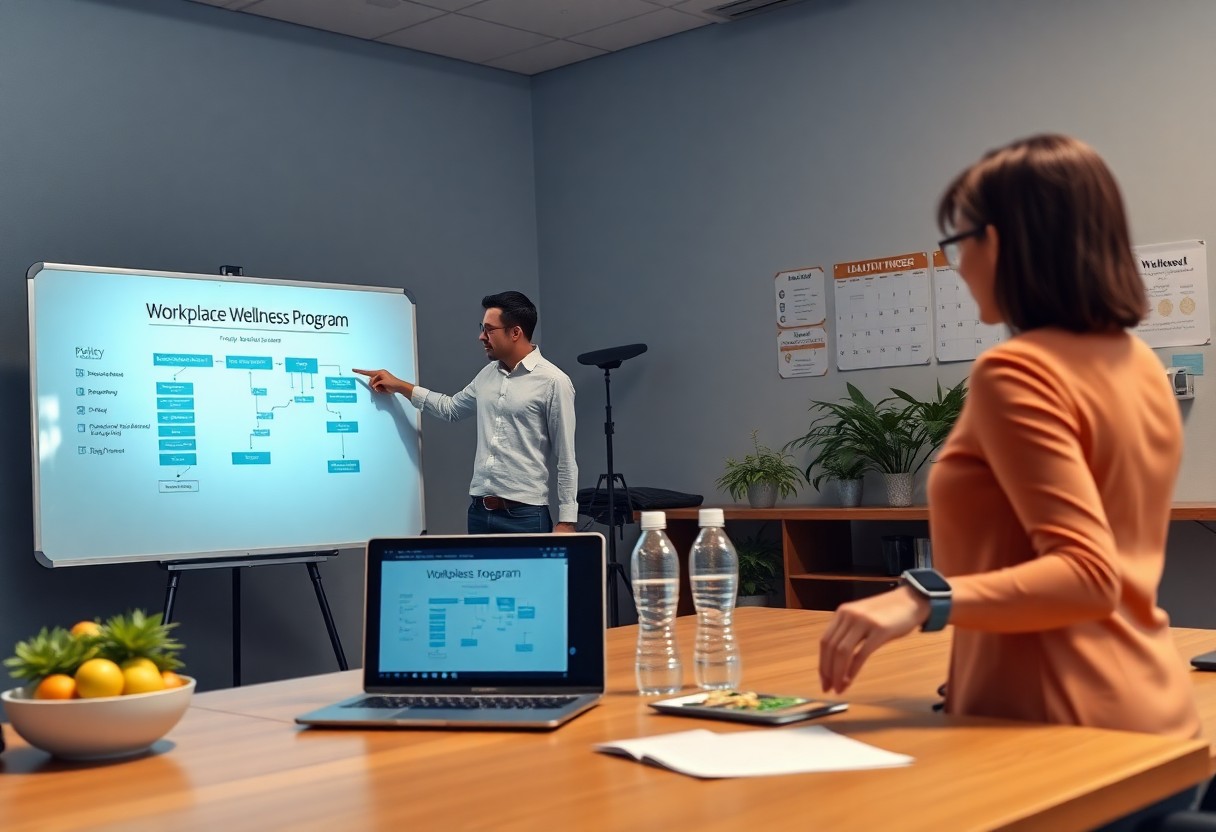
Just start by assessing your employees’ health needs and interests to shape a relevant, effective wellness initiative. You define clear goals, gain leadership support, and build a diverse program that includes physical, mental, and social well-being. You implement activities gradually, measure outcomes, and adjust based on feedback to ensure lasting engagement and impact.
Talk with the Workers
You uncover real insights when you sit down with employees and simply listen. Ask open-ended questions about their daily challenges, energy levels, and what support they’d find most helpful. Their answers shape a wellness program that’s grounded in actual needs, not assumptions. This conversation builds trust and shows you value their input.
The Weight of the Purse
You carry more than just necessarys when you bring a heavy bag to work. That constant shoulder strain can lead to posture issues and neck pain over time. Choose a lightweight bag and limit contents to reduce physical stress. Your body will respond with better alignment and fewer aches throughout the day.
The Movement of the Limbs
You don’t need intense workouts to support employee well-being. Simple limb movements throughout the day boost circulation, reduce stiffness, and sharpen focus. Encourage short stretching breaks, walking meetings, or seated leg lifts during desk work. These small actions add up, helping your team stay physically active without disrupting workflow. Make movement accessible and natural within the workday.
The Clarity of the Word
You define each element of your wellness program with precise language to avoid confusion. Clear terms set expectations for participation, goals, and support. When employees understand exactly what is offered and why, engagement increases naturally. Ambiguity weakens trust-direct communication builds it. Your message must be simple, consistent, and easy to act on.

The First Man in the Field
You start with one person-the first employee who embraces the wellness initiative. His participation signals to others that this isn’t just another corporate mandate. When colleagues see genuine engagement, they’re more likely to join. Your program grows not through mandates, but through visible, authentic action.
To wrap up
With this in mind, you design a workplace wellness program by assessing employee needs, setting clear goals, and offering relevant initiatives like fitness options, mental health support, and healthy work environments. You sustain it through consistent communication, leadership involvement, and regular evaluation to ensure it meets your team’s evolving needs.
Leave a Reply