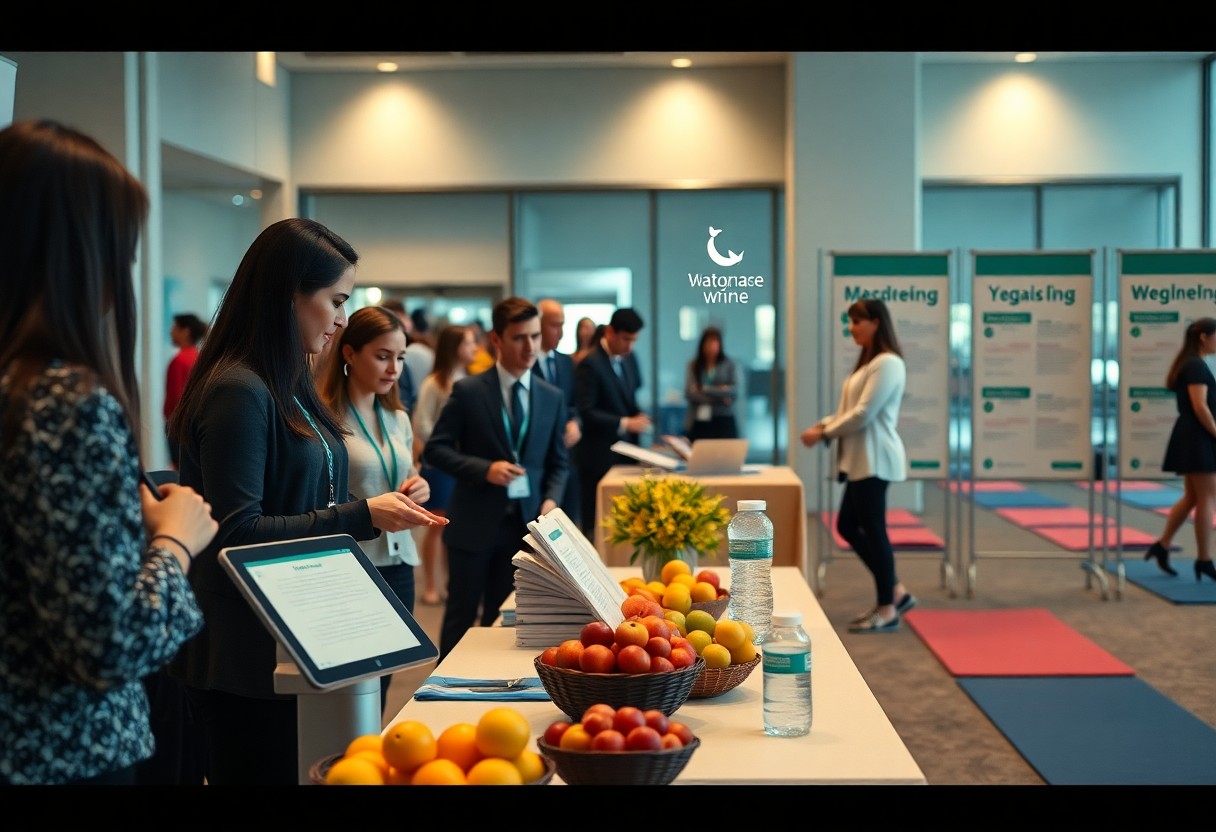
Over 70% of employees disengage from wellness initiatives within the first year. You can reverse this trend by aligning programs with real employee needs, offering personalized options, ensuring leadership participation, and creating consistent communication that highlights tangible benefits. Engagement grows when wellness feels relevant, accessible, and supported.
The Culture of Action
You build momentum when wellness becomes part of daily work life, not an afterthought. Employees respond when action is expected, modeled, and rewarded. Turn intentions into habits by embedding wellness into routines, meetings, and team goals. When people see consistent movement, they’re more likely to join it.
Lead from the Front
Leaders who participate visibly shift the energy. When managers take walking meetings, share their wellness goals, or step away for lunch, they signal that self-care isn’t optional-it’s expected. Your team watches what you do, not just what you say.
Clear the Path
Barriers kill participation, even with the best intentions. Time, access, and confusion about how to join can stop employees before they start. Make enrollment simple, offer flexible timing, and remove logistical friction so people can act without hesitation.
Time constraints and unclear instructions often derail engagement before it begins. You can eliminate common obstacles by offering on-site activities, providing digital access from any device, and assigning wellness champions to guide colleagues. When participation feels easy and natural, people follow through without second-guessing.
Rewards for the Brave
Recognizing employees who actively participate in wellness initiatives encourages others to step forward. When people see their efforts acknowledged, they’re more likely to stay involved and inspire peers. A culture that celebrates courage in self-improvement strengthens overall engagement.
Tangible Gains
You reinforce commitment when you offer concrete rewards like gift cards, extra time off, or wellness gear. These incentives make participation feel valuable and worth the effort. Employees are more likely to join and stay consistent when they see real benefits from involvement.
Public Praise
You build motivation by highlighting individual efforts in team meetings or company newsletters. Seeing a colleague recognized creates positive peer influence and normalizes wellness participation. Public acknowledgment shows that effort doesn’t go unnoticed.
Sharing stories of employees who’ve made meaningful changes deepens connection across teams. When you spotlight real experiences-like someone improving their health or completing a fitness challenge-it humanizes the program. Others relate, feel inspired, and view wellness as achievable, not just optional.
Plain Talk
Clear communication builds trust and drives participation. When you speak plainly about wellness benefits, employees understand how programs support their daily lives. Drop the jargon and focus on real outcomes-more energy, less stress, better sleep. People engage when they see value without needing a decoder.
Simple Words
You don’t need complex terms to explain wellness. Say “feel better” instead of “optimize well-being.” Use everyday language that matches how people talk at home. When your message is easy to grasp, it’s easier to act on.
The Right Ears
Your message must reach those who influence team culture. Frontline managers and peer champions often carry more weight than corporate emails. Speak through them, and your wellness initiative sounds less like policy and more like peer advice.
Managers hear concerns before HR does. They know who’s overwhelmed, who’s motivated, and who might benefit most. Equip them with clear talking points and listening skills so they can guide conversations-not deliver speeches. When trusted voices endorse wellness efforts, participation grows naturally.
The Strength of the Group
Group dynamics amplify motivation when you align wellness efforts with shared goals. By visiting How to Engage Employees in Wellness Programs, you’ll discover proven strategies that turn individual actions into collective momentum.
Common Targets
Setting shared objectives gives teams a unified direction. When everyone works toward the same milestones-like step counts or mindfulness minutes-participation becomes a joint effort, not just a personal task.
Mutual Support
Peer encouragement increases accountability and consistency. Knowing others are on the same path makes setbacks easier to manage and successes more rewarding.
When team members check in, celebrate progress, or share challenges, they build trust that sustains long-term involvement. This kind of environment doesn’t rely on top-down pressure-it grows naturally when people feel seen and supported by colleagues who understand their journey.
The Freedom to Choose
You boost engagement when employees feel ownership over their wellness journey. Offering a range of activities-from yoga classes to mental health workshops-lets individuals select what truly resonates with them, increasing the likelihood they’ll participate consistently and find genuine value in the program.
Many Roads
People reach wellness goals in different ways. Some prefer structured fitness challenges, while others benefit more from mindfulness sessions or nutrition coaching. Providing diverse pathways ensures every employee can find a meaningful entry point, making the program more inclusive and effective.
Protecting the Clock
Your team won’t engage if wellness feels like extra work. Scheduling activities during work hours and limiting session lengths shows respect for their time, removing guilt and friction that often keep employees from signing up.
Time is a real barrier, not just a perception. When wellness initiatives demand after-hours participation, only a subset of employees can attend-often those without caregiving duties or second jobs. By embedding wellness into the workday, you signal that health isn’t an add-on; it’s part of the job. Short, accessible sessions during shifts become habits, not burdens, and participation grows organically because it fits, rather than competes with, daily responsibilities.
The Honest Count
You need real data to measure wellness program success. Tracking participation rates, feedback, and health outcomes gives you a clear picture of what’s working. Don’t rely on assumptions-use insights to refine your approach. Boosting Employee Engagement starts with honest metrics.
Facts and Figures
Only 30% of employees regularly participate in traditional wellness programs. Low engagement often stems from poor communication or irrelevant offerings. When programs align with actual employee needs, participation can double. Data shapes smarter strategies.
The New Direction
Personalization is reshaping workplace wellness. One-size-fits-all initiatives are being replaced with tailored options that reflect diverse employee lifestyles. Flexibility increases relevance, making participation feel less like an obligation and more like a choice.
Customized wellness paths-like mental health support, fitness stipends, or sleep coaching-respond directly to individual preferences. You see higher buy-in when employees help shape their experience. This shift isn’t just trendy; it’s backed by rising participation and measurable well-being improvements across forward-thinking companies.
Final Words
Drawing together effective strategies means you align wellness initiatives with employee needs. You offer choice, encourage participation through clear communication, and lead by example. When you make programs accessible and relevant, engagement rises naturally. Your consistent support shows employees their well-being matters, turning participation into habit.
Leave a Reply