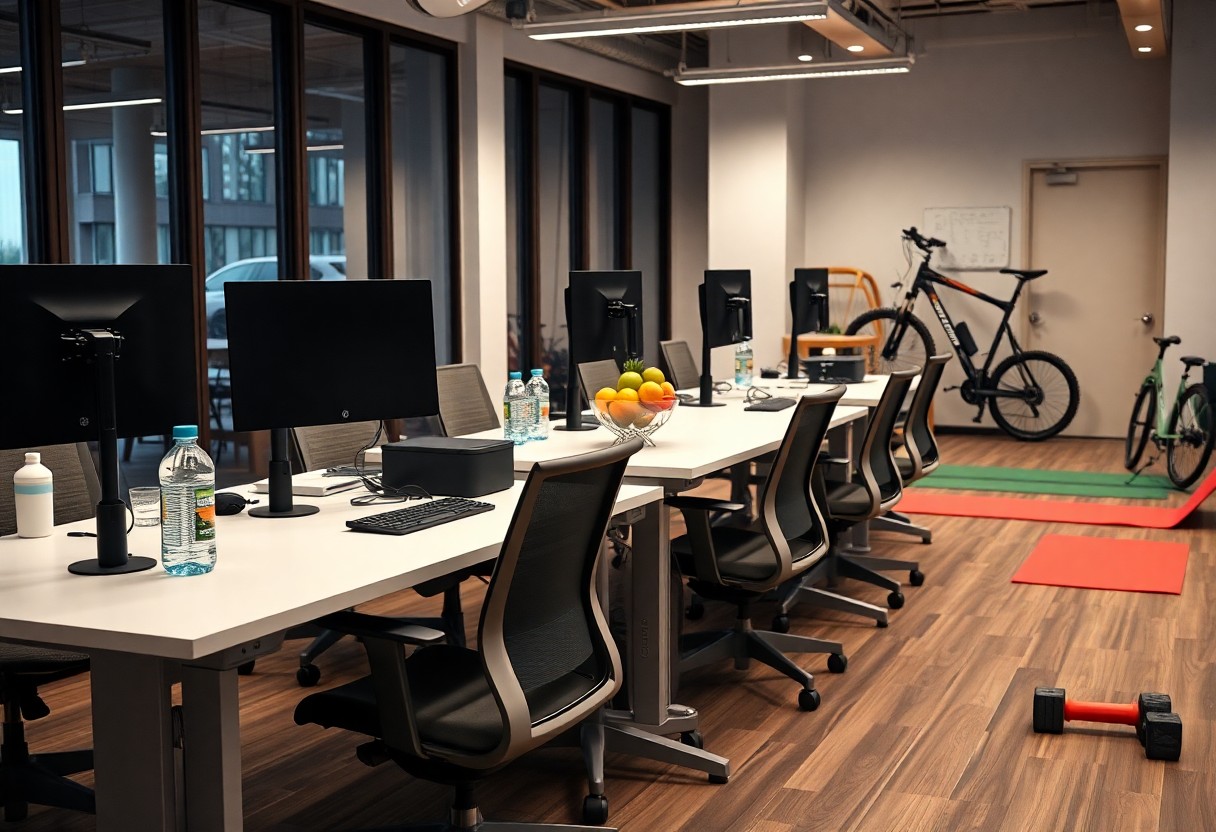
Just by rethinking everyday workplace habits, you can make a measurable difference in employee well-being. Simple changes like encouraging movement, offering ergonomic setups, and promoting regular breaks help sustain energy and reduce injury. You don’t need expensive programs-consistent, practical actions build a healthier, more productive work environment.
The Tactical Workspace
You shape your environment to support movement, not sedentary strain. A workspace designed with intention reduces physical strain and encourages posture shifts throughout the day. Simple changes in layout and equipment make a measurable difference in how your body feels by 5 p.m.
Tools for the upright man
Standing desks let you alternate between sitting and standing without disrupting workflow. You maintain energy and circulation by adjusting your posture regularly. Even brief periods on your feet reduce lower back strain and improve focus over long workdays.
Chairs that do not break the back
Your spine benefits from support that mirrors its natural curve. A well-designed chair encourages proper alignment, reducing pressure on discs and muscles. You stay comfortable longer when your seat moves with you, not against you.
Look for chairs with adjustable lumbar support, breathable fabric, and seat depth that accommodates your leg length. Models with dynamic tilt mechanisms respond to your movements, promoting micro-shifts that prevent stiffness. You’re not just sitting-you’re sustaining your body’s balance through the workday.
Movement as Discipline
Consistent movement builds resilience in your daily routine. 5 Ways to Encourage Workplace Physical Activity shows how small actions create lasting habits. You don’t need intense workouts-just intentional motion throughout the day.
Walking the grounds
Stepping outside for a lap around the building resets your focus. You engage muscles, clear your mind, and absorb natural light. Make it a habit to walk during calls or after meetings-it adds up without disrupting workflow.
Short breaks for the blood
Standing up every hour keeps circulation strong and reduces stiffness. You counteract the strain of prolonged sitting by moving for just 60 seconds. These micro-movements protect your cardiovascular health over time.
Your body responds to frequent shifts in posture and position. When you pause to stretch, squat, or march in place, you signal improved blood flow and mental clarity. These brief respites aren’t distractions-they’re strategic investments in sustained energy and focus throughout the workday.
The Rations of Industry
Workplace well-being isn’t just about breaks and movement-it’s shaped by what fuels your team daily. The rations provided on-site or subsidized during shifts directly influence energy, focus, and long-term health. You shape culture through the choices you make available, and those choices should support sustained physical performance and overall vitality.
Pure water in the glass
Water flows at the core of daily function, and access to clean, fresh drinking water keeps your body operating efficiently. You lose fluids through routine activity, and even mild dehydration slows concentration and physical stamina. Make filtered water easy to reach-your cells, mind, and muscles respond immediately.
Food that provides strength
Meals rich in whole grains, lean proteins, and fresh produce deliver steady energy and support muscle maintenance. You need more than empty calories to stay sharp and strong through a full shift. Choose options that balance macronutrients and minimize processed ingredients to keep your body performing at its best.
Strength-building nutrition goes beyond protein bars and cafeteria fries. You benefit most from real food-beans, eggs, vegetables, whole grains-that breaks down slowly and sustains blood sugar. These foods reduce fatigue, support recovery, and lower the risk of chronic illness. When your meals are designed for physical demand, your body responds with resilience and endurance.
Natural Elements of the Floor
Bringing nature indoors starts under your feet. Natural flooring materials like bamboo, cork, or reclaimed wood offer more than aesthetic appeal-they reduce exposure to synthetic chemicals and support better indoor air quality. These sustainable options also provide slight cushioning, reducing physical strain during long standing periods.
Light from the sun
Sunlight shapes your daily rhythm and boosts alertness. Position workstations near windows to maximize exposure, helping regulate circadian cycles and improve mood. Natural daylight reduces reliance on artificial lighting, cutting energy use while creating a more comfortable, productive workspace.
Air that is clear
Clean air keeps your mind sharp and body healthy. Poor ventilation increases fatigue and headaches, while filtered, fresh air supports concentration and reduces illness. You benefit most when airflow is steady and pollutants are kept low through smart design and maintenance.
Indoor air quality often goes unnoticed, yet it directly affects how you feel and perform. Pollutants from printers, furniture, and cleaning products accumulate without proper ventilation. Introducing air-purifying plants, high-efficiency filters, and regular HVAC maintenance ensures you breathe easier throughout the workday. Monitoring CO₂ levels can also alert you to when it’s time to open a window or reset airflow.
Pay for the Fit
You can strengthen employee well-being by directly supporting fitness through financial incentives. Offering structured programs that reward physical activity encourages consistent participation and shows your commitment to long-term health.
Subsidies for the training hall
You reduce barriers to exercise by covering part of gym membership fees. This support makes fitness more accessible and signals that your company values employee health beyond the workplace.
Bonuses for the biker
You promote sustainable commuting while boosting fitness by rewarding employees who cycle to work. A small monthly stipend or mileage reimbursement encourages healthier habits and reduces environmental impact.
Cycling to work isn’t just good for the planet-it’s a reliable way to build daily movement into busy schedules. You can offer a per-kilometer bonus, provide secure bike storage, or cover maintenance costs to make biking a practical choice. Employees feel supported, stay active, and often report higher energy and focus during the workday.
The Command Example
Leaders set the tone for workplace culture, and your actions speak louder than policies. When you prioritize movement, breaks, and healthy habits, your team follows. Understanding physical wellbeing in the workplace starts with visible commitment from the top.
Leading from the front
Your behavior shapes team norms. When you take walking meetings or step away from your desk for lunch, you signal that health matters. Employees notice when leaders practice what they preach, making your example one of the most effective tools for change.
Killing the sedentary habit
Sitting for long periods slows circulation and strains your spine. Encourage short, frequent movement breaks-stand during calls, stretch between tasks, or use a standing desk. Small shifts in routine can significantly reduce the risks tied to prolonged sitting.
Extended sitting is linked to increased risks of cardiovascular issues, poor posture, and reduced energy. Introducing sit-stand desks, scheduled stretch alerts, or even five-minute hourly standing intervals helps disrupt sedentary patterns. These adjustments don’t require major overhauls but deliver measurable benefits to focus and physical health over time.
Final Words
From above, you see that supporting physical health at work begins with practical changes: ergonomic workspaces, access to natural light, and opportunities for movement. You promote well-being by offering standing desks, encouraging short activity breaks, and providing health resources. Your consistent actions shape a workplace where employees feel physically supported and productive.
Leave a Reply