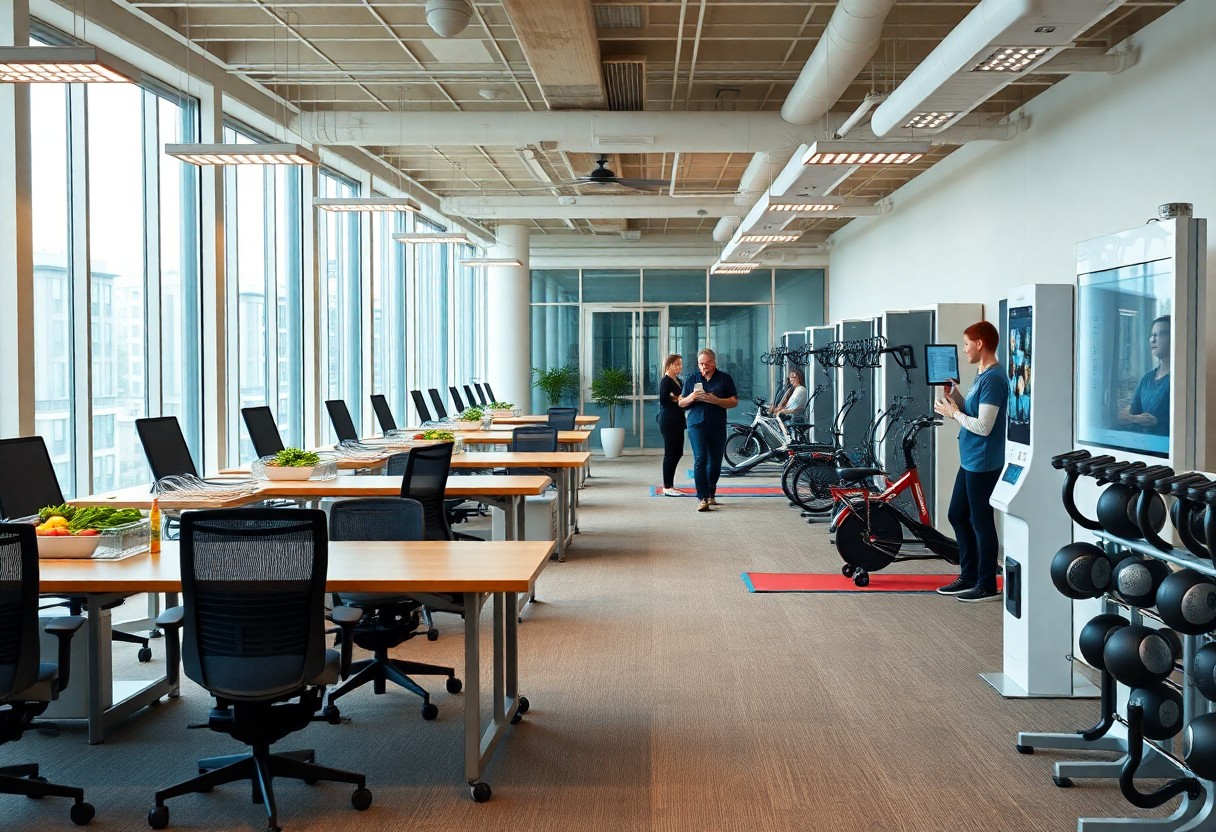
With companies increasingly prioritizing employee health, you can find proven wellness programs that deliver real results. You’ll discover initiatives like on-site fitness classes, mental health support, and personalized wellness coaching that top organizations use to boost engagement and reduce absenteeism-all designed to create a healthier, more productive workplace.
The Body and the Sweat
Physical activity remains a cornerstone of effective corporate wellness. You feel more energized, think clearer, and manage stress better when movement is part of your routine. Forward-thinking companies design programs that meet you where you are-whether at your desk or in the gym.
Standing for the Work
Sitting all day takes a toll on your spine, circulation, and focus. Some organizations provide standing desks or adjustable workstations, encouraging you to shift positions throughout the day. You’re more alert and less prone to fatigue when you’re not glued to a chair.
Paying for the Gym
Your employer covers your gym membership or fitness app subscription, removing a common financial barrier. This support signals that your health matters to the company. You’re more likely to stay consistent when the cost isn’t coming out of pocket.
When your company pays for the gym, it’s not just about access-it’s about accountability. You’re more inclined to use the benefit if you know your employer invested in it. Some firms even offer tiered reimbursements based on attendance or fitness milestones, turning motivation into measurable action. This kind of program rewards consistency without demanding perfection.
The Mind in the Room
You carry your mind everywhere, even into high-pressure meetings and back-to-back deadlines. How you manage it determines your resilience, focus, and emotional balance. Corporate wellness isn’t just about physical health-it’s about creating space for mental clarity amid daily chaos. This is where intentional practices make a real difference.
Tools for Silence
Meditation apps, noise-canceling pods, and designated quiet zones help you disconnect from digital noise. These tools offer brief mental resets during the workday. You don’t need hours-just five minutes of stillness can improve concentration and reduce stress. Silence becomes a skill you practice, not just an absence of sound.
Professional Talk
Access to licensed therapists and confidential counseling services normalizes mental health support. You can address anxiety, burnout, or personal challenges without stigma. Employers who offer regular sessions show they value long-term well-being, not just productivity.
Having consistent access to professional talk options means you’re not expected to manage emotional strain alone. Many companies now partner with mental health platforms to provide on-demand therapy, flexible scheduling, and anonymous support. These services integrate into your routine, making it easier to seek help early-before stress becomes overwhelming. It’s preventive care for your mind, built into the work experience.
The Food for the Man
Smart nutrition initiatives start with accessible, healthy choices at work. You can inspire better eating by offering fresh options employees actually enjoy. Explore 17 workplace wellness programs and ideas to strengthen your team’s health and find what fits your culture.
Fruit in the Kitchen
Placing a bowl of fresh fruit in your kitchen encourages mindful snacking. You make healthy eating convenient and visible, helping employees choose natural energy over processed alternatives. This small change supports sustained focus and reduces afternoon slumps.
Eating at the Big Table
Shared meals build connection and normalize balanced eating. When you gather teams for nutritious lunches, you foster community while promoting wellness through example.
Regular group meals at a central table invite conversation and reduce isolation. You create space for employees to slow down, enjoy real food, and strengthen relationships. Over time, these moments improve morale and reinforce that wellness includes both body and belonging.
The House and the Clock
Explore how modern Employee Wellness Programs in 2025 are redefining workplace health by aligning personal rhythms with professional demands, creating environments where well-being drives performance.
Coins for the Home Desk
You earn tangible rewards for completing wellness milestones, like placing a coin on your desk after a mindfulness session, turning small habits into visible progress that reinforces daily commitment.
Owning the Time
You control when and how you engage with wellness initiatives, scheduling activities around your natural energy peaks instead of rigid corporate timelines.
When you own your time, productivity and mental clarity improve because you’re not forced into a one-size-fits-all wellness schedule. This autonomy supports sustained participation, reduces burnout, and respects individual differences in work style and personal rhythm.
The Heavy Debt
Financial stress silently undermines employee well-being, often spilling into productivity and mental health. You’re not alone if mounting bills, student loans, or unexpected expenses weigh on your focus at work. Employers recognizing this burden are integrating financial wellness into their corporate programs, offering tools that address real-life pressures.
Carrying the Load
Debt shapes your daily decisions, from skipping vacations to delaying medical care. When financial anxiety lingers, it affects sleep, mood, and performance. Forward-thinking companies now provide access to confidential financial coaching, helping you create manageable plans to reduce what you owe without judgment or pressure.
Planning for the End
Thinking ahead about estate matters may feel uncomfortable, but clarity brings peace. Smart wellness initiatives include resources for wills, advance directives, and legacy planning, ensuring you’re prepared. These services remove guesswork during emotional times and protect your family’s future.
Planning for the end goes beyond documents-it’s about reducing stress for those you leave behind. You gain confidence knowing your wishes are recorded and accessible. Some programs partner with legal networks to offer discounted consultations, making it easier to take action without financial strain. This support reflects a deeper level of care that resonates long after employment ends.
The World and the Trees
You see how broader corporate wellness strategies mirror natural ecosystems-each part connected, supporting the whole. Companies that align employee well-being with environmental awareness often see deeper engagement and lasting impact.
Working for No Pay
You give time freely when purpose drives you. Volunteer initiatives within wellness programs let you contribute to communities, boosting morale and mental well-being while strengthening team bonds beyond the office.
Walking in the Woods
You step onto a forest path and feel your breathing slow, your thoughts clear. Nature-based wellness activities like guided woodland walks reduce stress and improve focus, offering simple, effective relief from daily work pressure.
Walking in the woods isn’t just a break-it’s a reset. Exposure to natural environments lowers cortisol levels, enhances mood, and supports cognitive recovery. Programs that incorporate regular outdoor movement help you sustain energy and emotional balance over time.
Conclusion
To wrap up, you see effective corporate wellness programs in companies like Google, with on-site fitness and mental health support, and Johnson & Johnson, whose long-standing initiatives reduce health risks and boost productivity. These examples show that consistent, personalized wellness efforts deliver measurable benefits when aligned with employee needs and company culture.
Leave a Reply