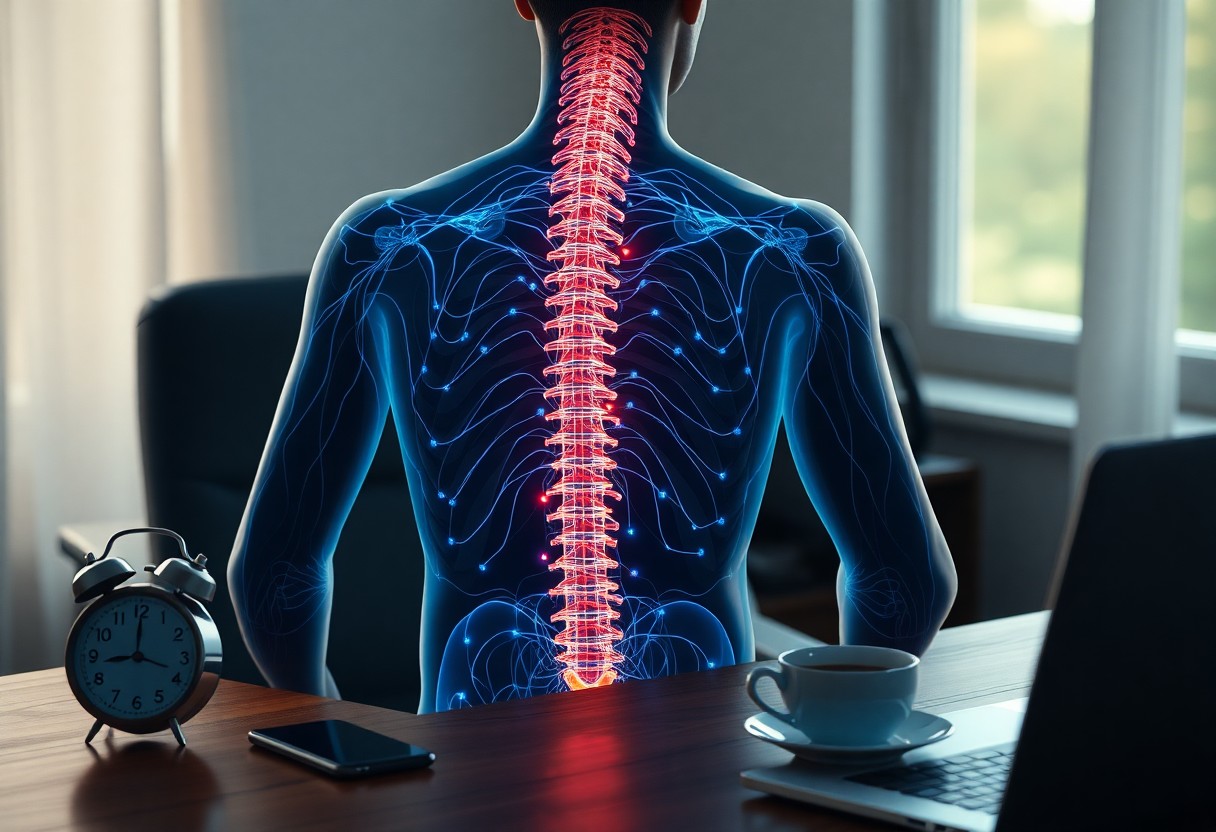
You react before you think-your body tenses at a tone of voice, your heart races before danger appears. Your nervous system shapes your emotions, choices, and relationships without conscious input. When stuck in survival mode, it can silently drive anxiety, burnout, and chronic stress. But understanding its patterns gives you real control.
Key Takeaways:
- Your nervous system constantly scans the environment for safety or threat, shaping your emotions, behaviors, and reactions-often without conscious awareness.
- Chronic stress or past trauma can keep the nervous system stuck in survival modes like fight, flight, or freeze, leading to anxiety, exhaustion, or emotional numbness.
- Practices like mindful breathing, body awareness, and regulated social connection can help reset the nervous system, restoring balance and improving daily functioning.
The Ghost in the Biological Machine
Your Body Keeps Score
You carry invisible imprints from past experiences deep within your nervous system. These imprints shape how you react to stress, love, and danger-often without conscious awareness. Your body responds as if the past is happening now, triggering fight-or-flight even in safe environments. This automatic response isn’t weakness-it’s biology mistaking present moments for old threats.
The Perils of the Sympathetic State
Your body stays tense when the sympathetic nervous system dominates, keeping you on high alert even when no real threat exists. Chronic activation of this state can disrupt digestion, weaken immunity, and elevate heart rate over time. You might feel restless, irritable, or constantly overwhelmed without understanding why. This persistent fight-or-flight mode isn’t designed for long-term living-it’s meant for short bursts, not daily existence.
The Social Resonance of the Vagus Nerve
Your vagus nerve doesn’t just regulate heart rate and digestion-it’s also reading the emotional temperature of every interaction. When someone speaks sharply, your vagus can trigger a subtle freeze response before you even realize you feel threatened. This invisible attunement shapes your relationships, often without conscious awareness. Learn more in Nervous System 101 – by Ashi Singhal – HeyEmotions, where the science of connection unfolds.

The Somatic Record of Lived Experience
Your body keeps score in ways your mind often forgets. Every stressful encounter, moment of fear, or unresolved grief etches itself into your muscles, breath, and posture. This somatic record shapes how you respond to the world-often without conscious awareness. You carry tension not because you choose to, but because your nervous system remembers what you’ve survived. Healing begins when you learn to read these silent signals.
Reclaiming the Narrative from Instinct
You aren’t powerless against automatic reactions. Each time you pause before responding, you weaken the grip of conditioned survival patterns. Conscious breath becomes your anchor, redirecting control from the primitive brain back to your present awareness. This shift isn’t subtle-it rewires your daily reality. You begin to choose, not just react.
Final Words
From above, you see how deeply your nervous system shapes your reactions, choices, and daily life. Your body’s automatic responses to stress, safety, and connection run beneath awareness, yet direct your behavior. Recognizing these patterns gives you the power to shift them. You are not stuck-you can retrain your system, restore balance, and reclaim control.
FAQ
Q: How does the nervous system influence daily decisions without us realizing it?
A: The nervous system constantly monitors internal and external signals, adjusting heart rate, breathing, muscle tension, and hormone levels before conscious thought kicks in. When someone feels uneasy in a crowded room or reacts sharply to a sudden noise, the autonomic nervous system has already responded-often shaping behavior before the mind catches up. These automatic reactions can steer choices in relationships, work, and routines, making people avoid certain situations or react emotionally without understanding why. Past experiences, especially stressful or traumatic ones, can sensitize the nervous system, causing it to treat neutral events as threats. This means everyday decisions-like declining social invitations or snapping at a partner-may stem more from nervous system conditioning than current reality.
Q: Can an overactive nervous system cause physical symptoms even when there’s no medical illness?
A: Yes. When the nervous system stays in a prolonged state of alert-often called “fight, flight, or freeze”-it triggers real physical changes. People may experience stomach pain, headaches, dizziness, fatigue, or muscle tension even after medical tests show no disease. These symptoms arise because the body is flooded with stress hormones like cortisol and adrenaline, which prepare it for danger that isn’t actually present. Over time, this state wears down bodily systems, leading to chronic discomfort. Many people labeled with conditions like irritable bowel syndrome or fibromyalgia show signs of nervous system dysregulation rather than structural damage. Healing often involves calming the nervous system through breathwork, movement, or therapy, not just treating symptoms.
Q: What are signs that the nervous system is controlling emotional reactions?
A: Frequent anxiety, unexplained anger, emotional numbness, or sudden panic in safe environments can all point to nervous system dominance. Someone might feel overwhelmed by small setbacks, shut down during conversations, or feel constantly on edge without a clear reason. These reactions often stem from subconscious survival patterns-like bracing for danger learned in childhood or after trauma. The brain and body act as if past threats are still active, so emotions flare in response to triggers that seem minor on the surface. Recognizing these patterns is the first step. Simple practices like grounding exercises, regulated breathing, or tracking bodily sensations help restore balance by signaling safety to the nervous system.
Leave a Reply