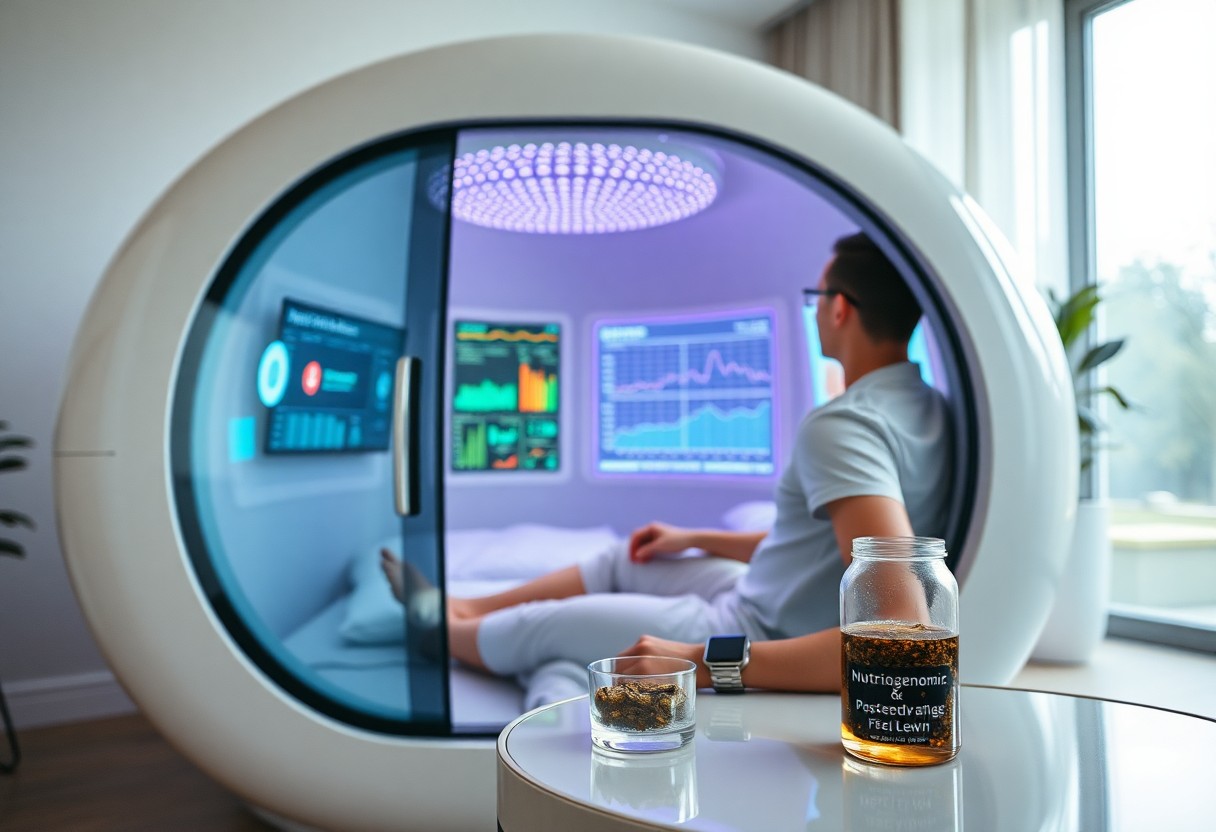
With biofield tuning emerging as the most discussed wellness practice in 2026, you’re likely encountering sound-based healing in mainstream routines. This method uses measurable vibrational frequencies to align your body’s energy, offering clinically observed reductions in anxiety and chronic pain. While unregulated devices pose potential risks, certified practitioners deliver safe, transformative results backed by growing research.
Key Takeaways:
- Regenerative living has replaced traditional wellness routines, focusing on daily habits that restore physical and mental energy through nature-aligned cycles like circadian fasting and seasonal nutrition.
- Personal biometrics are now integrated into home environments, with smart mirrors and AI-powered showers offering real-time health feedback and personalized recovery protocols.
- Community-based wellness hubs-combining therapy, movement, and shared meals-have become central to urban life, emphasizing connection over consumption in the pursuit of well-being.
The Emergence of Neural Dampening
You’re already feeling the effects of constant mental noise-notifications, deadlines, endless scrolling. Neural dampening offers a science-backed escape, using subtle auditory cues and low-frequency stimulation to quiet overactive brain patterns. This isn’t sedation; it’s precision-based mental stillness, now embraced by neurologists and wellness clinics worldwide.
The shift from active mindfulness to passive modulation
Effort no longer defines your path to calm. Passive modulation replaces hours of meditation with wearable devices that gently guide brainwaves into restful rhythms. You simply wear the band, and your nervous system responds without discipline or focus. Mindfulness becomes something you experience, not something you practice.
Why 2026 became the year of silence
A global spike in anxiety-related diagnoses pushed governments to fund neural wellness programs. For the first time, insurance covered dampening therapies. You weren’t just seeking peace-you were prescribed it. The widespread medical endorsement turned a niche tech into a cultural reset, making silence the most sought-after state of mind.
That year, three major studies confirmed long-term cognitive benefits from regular neural dampening, including improved memory retention and emotional regulation. Cities introduced “quiet zones” with ambient dampening fields in transit hubs and hospitals. You began to notice fewer panic episodes in crowded spaces, not because people adapted, but because their environments were actively calming their nervous systems. Silence stopped being absence-it became an engineered, accessible resource.
The Biological Mechanism of the Void
You’re not just disconnecting when you enter the Void-you’re rewiring. This state triggers a measurable downshift in default mode network activity, allowing neural circuits overwhelmed by constant stimulation to reset. What was once thought of as mental stillness is now understood as active biological restoration, mirroring sleep’s cleansing effect on cognitive debris.
Targeted synaptic suppression
Your brain selectively dampens overactive synaptic pathways during the Void, especially those tied to habitual digital engagement. This suppression reduces neural noise and prevents cognitive overload, acting like a precision filter that silences the mental chatter built up from endless scrolling and notification dependency.
Reclaiming the prefrontal cortex from digital noise
Your prefrontal cortex regains clarity once freed from the constant hum of digital intrusion. Decision-making sharpens, emotional regulation improves, and focus returns as this critical region sheds the artificial stressors of fragmented attention and algorithmic manipulation.
When you consistently practice Void sessions, your prefrontal cortex begins to resist the pull of reactive thinking. Neuroimaging shows increased gray matter density in executive control areas after just four weeks of daily practice. This structural change means you’re not just feeling calmer-you’re biologically becoming more resilient to distraction, with enhanced capacity for deep work and intentional living.
The New Status Symbol of Unavailability
Being unreachable has become your most powerful statement. In 2026, the ability to disconnect signals confidence, control, and intentional living. While others chase constant connectivity, your silence speaks volumes. Discover how this shift defines modern wellness by exploring the 11 exploding health trends you may see in 2026.
The social hierarchy of the disconnected
Access to your time now determines your status. Those who rarely respond, or do so on their own terms, are seen as emotionally autonomous and highly valued. You’re not ignoring people-you’re curating presence. This selective engagement isn’t rude; it’s a quiet declaration of self-respect in a world that demands endless availability.
Redefining presence in a hyper-connected era
True presence means choosing when and how you show up. You’re no longer measured by response speed but by depth of attention. Being offline isn’t absence-it’s an act of reclaiming agency. Your focus becomes intentional, not reactive, transforming how you engage with yourself and others.
Presence in 2026 isn’t about being everywhere at once. It’s about showing up fully where it matters. When you silence notifications and step away from the feed, you create space for clarity, creativity, and real connection. This isn’t disengagement-it’s a disciplined form of engagement, one that prioritizes meaning over momentum. You’re not missing out; you’re opting in-on your terms.
The Commercialization of Absence
You’re paying not to be seen, heard, or tracked-and companies are cashing in. The silence you crave has become a premium product. What was once a personal choice is now a branded experience, sold through curated retreats, signal-blocking wearables, and privacy-first memberships that promise true disconnection in an oversaturated world.
The rise of the quiet economy
Profit flows from what you don’t consume. Brands now monetize stillness, selling noiseless spaces, blank screens, and ad-free timelines. Empty space has become the rarest commodity, and businesses are redefining luxury as the ability to opt out-completely-without losing access.
Subscription models for cognitive peace
Access to mental quiet is now a monthly fee. Platforms offer algorithm-free browsing, AI-powered digital boundaries, and scheduled unavailability. You’re no longer just blocking distractions-you’re paying to make them disappear, with tiered plans that guarantee uninterrupted focus.
These subscriptions go beyond ad blockers or mute buttons. They include AI gatekeepers that intercept messages, reschedule demands, and simulate offline presence-all while protecting your actual downtime. The most advanced plans even alert employers or family that you’re in “deep restoration” mode, turning cognitive rest into a sanctioned, scheduled event. The danger? Your right to disconnect now depends on a renewal date.
The Ethical Implications of Isolation
You’re not imagining the quiet-solitude has become a curated luxury, marketed as healing. But when silence is sold as self-care, the social fabric begins to fray. Retreats that disconnect you from others may offer personal relief, yet they risk normalizing emotional withdrawal on a societal scale.
The erosion of collective empathy
Empathy fades when shared experiences grow rare. Your withdrawal, even if well-intentioned, diminishes the emotional resonance needed to understand others’ struggles. A culture that prizes disconnection risks becoming indifferent to suffering it no longer witnesses firsthand.
Equity and the privilege of silence
Silence is a privilege not everyone can afford. While you may choose isolation, many are already isolated by poverty, caregiving duties, or systemic neglect. This divide turns wellness into a marker of class, where only some can afford to disappear.
Access to quiet spaces, digital detoxes, and mental retreats often requires financial stability, flexible work, and social support-resources unevenly distributed. When silence becomes a wellness commodity, it reinforces existing inequalities under the guise of healing. You may find peace in solitude, but for others, silence has long been imposed, not chosen.
Final Words
So the wellness trend everyone is talking about in 2026 isn’t a product or a quick fix-it’s circadian rhythm alignment. You adjust your daily routine to match your body’s natural biological clock. Sleep, meals, and movement timed with light exposure yield measurable improvements in energy, mood, and metabolic health. You don’t need expensive tools-just consistency and awareness.
FAQ
Q: What is the wellness trend everyone is talking about in 2026?
A: The wellness trend gaining widespread attention in 2026 is called circadian rhythm optimization. People are aligning their daily routines-sleep, meals, exercise, and screen time-with their body’s natural internal clock. This approach goes beyond basic sleep hygiene by using wearable tech that tracks body temperature, light exposure, and melatonin levels. Experts say syncing lifestyle habits with circadian biology improves energy, mood, digestion, and long-term metabolic health. Clinics and apps now offer personalized circadian plans based on genetic testing and real-time biometrics.
Q: Why are so many people adopting circadian rhythm optimization now?
A: Advances in affordable biosensors and AI-driven health platforms have made circadian tracking accessible to the general public. In 2025, several high-profile studies linked chronic circadian misalignment to increased risks of diabetes, depression, and cardiovascular disease. These findings prompted health professionals to recommend routine circadian assessments during annual checkups. Social media also played a role-users shared dramatic improvements in focus and sleep quality after adjusting meal times and morning light exposure. Employers began offering circadian-friendly work hours, making the trend both practical and popular.
Q: How can someone start optimizing their circadian rhythm without expensive technology?
A: People can begin by setting consistent wake and sleep times, even on weekends. Exposure to natural sunlight within 30 minutes of waking helps reset the internal clock. Eating meals within a 10- to 12-hour window, ideally finishing dinner at least three hours before bed, supports metabolic alignment. Reducing blue light from screens after sunset and using dim, warm lighting in the evening encourages melatonin production. Simple habits like a morning walk, avoiding caffeine after noon, and keeping the bedroom cool and dark make a measurable difference over time.
Leave a Reply