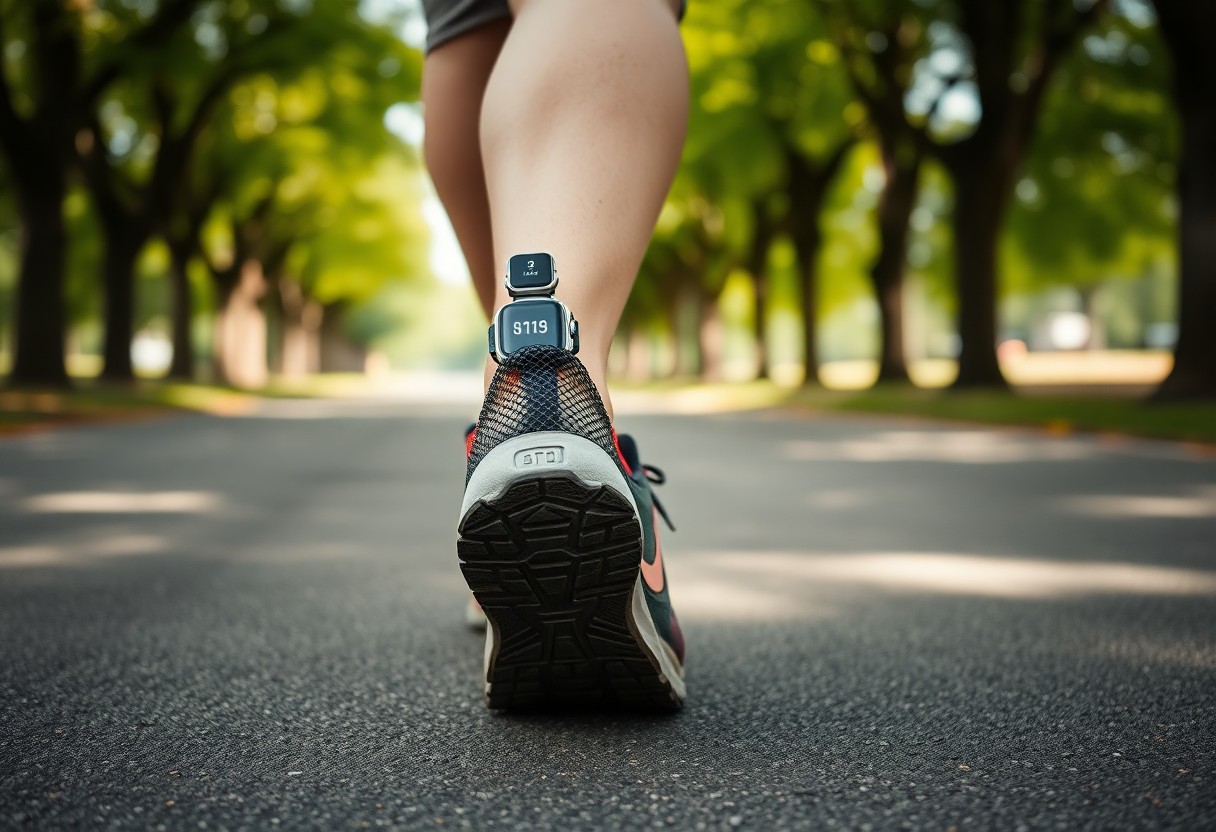

Most people overlook walking, yet it delivers profound health benefits with minimal risk. You reduce chronic disease risk, improve mood, and boost longevity-no equipment needed. Despite its simplicity, walking is one of the most effective daily habits for sustained well-being.
Key Takeaways:
- Walking boosts mental clarity and reduces stress by increasing blood flow to the brain and encouraging mindful movement, often leading to improved focus and emotional balance.
- It requires no special equipment or training, making it one of the most accessible forms of physical activity for people of all ages and fitness levels.
- Regular walking supports long-term health by lowering the risk of chronic conditions like heart disease, type 2 diabetes, and joint problems, while also aiding in weight management.

The Transcendental Vigor of Sauntering
You unlock a rare form of energy when you walk without destination. This unhurried motion awakens the body’s natural rhythm and aligns mind with movement. Unlike structured exercise, sauntering invites presence, allowing insight to surface in silence. Your breath deepens, your thoughts untangle-each step becomes a quiet act of renewal.
Rhythms of the Animal Spirits
Walking reconnects you to instinctual patterns buried beneath modern routine. Your limbs move in primal sync, echoing ancient survival-a cadence that once meant safety, foraging, migration. This motion stirs dormant vitality, reminding you that your body was built not for stillness, but for flow.
Serenity of the Wild Mind
Thoughts settle like dust in still air when you walk with no agenda. Wandering pathways quiet mental noise and create space for clarity. You’re not solving problems-you’re stepping beyond them, letting intuition speak through the hush of footfalls on earth.
When you allow your mind to drift without digital intrusion, you enter a state of soft awareness-similar to meditation, but grounded in motion. This gentle mental drift is where creativity sparks and emotional burdens lighten. You begin to notice subtle shifts: a lifted mood, a solution appearing from nowhere, a deep sense of belonging to the world around you. Walking, in this way, becomes a sanctuary for the psyche.
The Wild as the Only Apothecary
You already carry the cure in your stride. Every step through untamed terrain activates a natural healing intelligence no pharmacy can replicate. The forest air, rich in phytoncides, sharpens immunity. Sunlight filtering through leaves resets circadian rhythms. There is no prescription stronger than presence in the living world.
Dissolving the Walls of the Chamber
Thoughts that once echoed loudly grow quiet when met with wind and water. The mind’s tight chambers loosen as you walk, and mental rigidity begins to dissolve. You stop rehearsing old arguments. The self you carried into the woods starts to unravel in the best way, making space for something more honest.
Lessons from the Unfenced Land
Boundaries here are fluid-roots cross paths, rivers shift course, animals move without permission. You learn that growth thrives without rigid control. The land doesn’t force harmony; it allows it. In that allowance, you find a model for your own life-resilient, adaptive, unafraid of change.
Observing how moss clings to stone without resistance teaches you more than any mantra. The unfenced land doesn’t resist disturbance-it integrates it. A fallen tree becomes a nursery for seedlings. This isn’t passive acceptance; it’s active regeneration. When you walk long enough, you begin to mirror this: setbacks no longer feel like failures, but openings for unexpected renewal.
The Gospel of the Pedestrian
You don’t need a gym membership or special equipment to transform your health-just your feet. Walking is one of the most accessible and powerfully effective wellness practices available, yet it’s often overlooked in favor of trendier, more complex routines. Every step you take strengthens your heart, clears your mind, and reconnects you with your body’s natural rhythm.
Inward Journeys through Outward Vistas
Each path you follow opens more than just a trail-it opens your thoughts. As your feet move, your mind wanders freely, untethered from screens and schedules. The rhythm of walking creates space for unexpected insights and emotional clarity, turning simple routes into journeys of self-discovery.
Finding the Self in the Silence
Sound fades with each step, leaving only your breath and the soft crunch of terrain beneath your shoes. In this quiet, you begin to hear your inner voice again-the one that knows what you truly need. Without distraction, your thoughts settle, and self-awareness rises like morning light.
When noise dissolves, presence emerges. You’re not just walking to move your body-you’re creating a sanctuary of stillness where reflection becomes possible. This silence isn’t empty; it’s full of truth. In those quiet moments, you confront fears, release stress, and often find profound peace simply by allowing yourself to be alone with your thoughts-no agenda, no performance, just being.
The Rust of the Stationary Life
You were not built for stillness. Prolonged sitting dulls circulation, weakens muscles, and slows metabolic function, inviting chronic disease. Each hour on the couch deposits another layer of inertia, hardening into habits that erode vitality. Movement is not optional-it’s biological necessity.
The Enervating Effect of the Hearth
Comfort has cost you dearly. Your home, designed for ease, traps you in cycles of inactivity. Screens glow while your body stiffens, and mental fog thickens with every idle hour. This sedentary sanctuary quietly drains your energy instead of restoring it.
Reclaiming the Heritage of the Foot
Walking reconnects you to an ancient rhythm-your ancestors covered miles daily, shaping bodies and minds through motion. You inherit that capacity. Every step reactivates dormant systems, restoring balance lost to chairs and cars.
Long before gyms or treadmills, humans thrived through foot travel. You’re wired to walk: your spine absorbs impact efficiently, your breath syncs with stride, and your brain releases endorphins with each mile. This isn’t exercise-it’s your birthright. Reclaiming it means rejecting artificial solutions and returning to movement that feels natural, sustainable, and deeply healing.
The Ritual of the Daily March
Walking grounds you in rhythm, turning time into motion. This simple act becomes a moving meditation, clearing mental fog with every step. Walking – Your Secret Weapon to Wellness isn’t a slogan-it’s a daily practice that builds resilience from the soles up.
Seeking the Holy Land of the Woods
Nature pulls you deeper when you walk. The quiet of the trees, the crunch underfoot-these moments restore what screens erode. You’re not just moving through a forest; you’re reconnecting with a part of yourself that silence makes visible.
The Economy of a Simple Pace
Speed isn’t the goal-consistency is. A slow, steady walk costs nothing but gives measurable returns in mood, focus, and cardiovascular health. You don’t need gear or a plan. Just step outside and let your body lead.
Slowing down reveals how little you actually need to feel better. Without the pressure to perform or produce, your mind unwinds naturally. This unhurried movement lowers cortisol, improves circulation, and creates space for insights you’d miss at any other pace. Walking, in its purest form, is freedom in motion.
Conclusion
Taking this into account, walking offers measurable benefits for your physical health, mental clarity, and emotional balance. You don’t need special equipment or a gym membership-just consistent movement. Your body responds to this simple act with improved circulation, reduced stress, and greater energy. Walking remains one of the most accessible and effective wellness tools available to you.

FAQ
Q: Why is walking considered an underrated wellness tool?
A: Walking is often overlooked because it seems too simple to make a real difference. People tend to focus on intense workouts or expensive fitness programs, but walking requires no special equipment, fits easily into daily routines, and delivers measurable health benefits. Studies show regular walking lowers blood pressure, improves circulation, and supports joint health. It also boosts mood by increasing endorphin levels. Despite its accessibility and effectiveness, walking doesn’t get the attention it deserves in mainstream wellness conversations.
Q: Can walking really improve mental health?
A: Yes, walking has a direct impact on mental well-being. Moving the body increases blood flow to the brain and stimulates the release of neurotransmitters like serotonin and dopamine, which help regulate mood. People who walk daily often report feeling less anxious and more focused. Even a 20-minute walk in a park or quiet neighborhood can reduce rumination-the repetitive negative thinking linked to depression. The rhythm of walking, combined with exposure to natural light and fresh air, creates a calming effect that supports emotional balance.
Q: How much walking is needed to see wellness benefits?
A: Most health experts recommend at least 150 minutes of moderate-intensity activity per week, and brisk walking fits this perfectly. That breaks down to about 30 minutes a day, five days a week. Benefits start to show even with shorter walks-research indicates that three 10-minute walks spread through the day can improve cardiovascular health and energy levels. The key is consistency. People who make walking a daily habit, whether it’s during lunch breaks, after dinner, or on weekends, notice better sleep, improved digestion, and increased stamina over time.
Leave a Reply