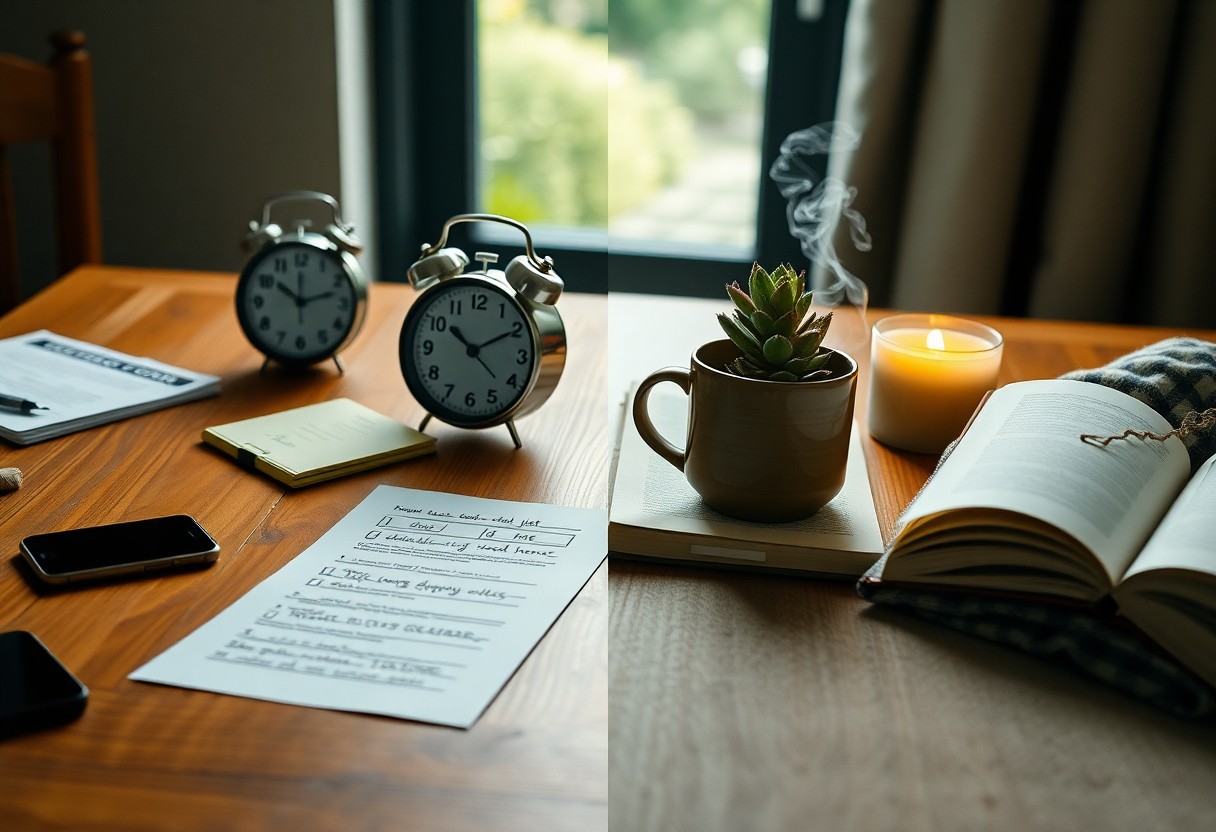
Wellness isn’t about checking boxes or adding more to your to-do list. Turning self-care into an obligation defeats its purpose-it should restore you, not drain you. You don’t need perfect routines or expensive products. The most effective self-care is simple, intentional, and guilt-free. Let go of performance and start listening to what your body and mind truly need.
Key Takeaways:
- Self-care loses its purpose when treated like a chore-focus on activities that genuinely recharge you, not ones you feel obligated to complete.
- Small, consistent moments of care matter more than perfect routines-five minutes of quiet breathing can be more restorative than an hour-long session done out of guilt.
- Listen to your body and emotions instead of following rigid self-care checklists-what feels nourishing changes day to day.
Factors Contributing to the Self-Care Productivity Trap
- The pressure to optimize every moment fuels self-care as a checklist item
- Social media narratives equate worth with visible wellness routines
- Busy schedules make self-care feel like another obligation to complete
This turns rest into a performance, not a practice.
The influence of performative wellness culture
You’ve likely scrolled past photos of morning smoothie bowls, 5 a.m. yoga, and gratitude journals styled like magazine spreads. When wellness becomes a display, it shifts from inner care to outer approval. You start measuring your worth by how “healthy” your habits look. This makes true rest feel lazy or invisible.
Identifying the symptoms of routine burnout
Chronic fatigue, irritability, and a sense of emptiness despite checking off self-care tasks signal deeper strain. You might sleep eight hours yet wake unrefreshed, or meditate daily but feel no calm. These are not failures of discipline. This is your body signaling that routine has replaced real restoration.
Burnout doesn’t always arrive with collapse-it often creeps in through numbness. You follow your self-care plan perfectly: journal, stretch, hydrate, unplug. Yet you feel nothing. The rituals that once soothed now drain. Missing a single step sparks guilt, not relief. That’s not self-care; it’s another form of self-punishment disguised as virtue. Your nervous system isn’t recovering-it’s adapting to constant demand.
How to Reframe Your Mindset for Authentic Restoration
True restoration begins when you stop measuring self-care by productivity. You weren’t meant to earn rest-you’re entitled to it simply because you exist. Let go of the need to justify downtime with outcomes. Peace isn’t earned; it’s claimed. When you release the pressure to “optimize” every moment, you open space for genuine renewal that doesn’t demand anything in return.
Shifting from a results-oriented approach
Something changes when you stop asking what your self-care “achieved.” You’re not doing this to perform better at work or become more efficient. Rest has no agenda. When you release the need for measurable returns, you allow yourself to simply be-without conditions, without deadlines, without scorekeeping.
Distinguishing between maintenance and replenishment
Showering, eating well, or taking medication are acts of maintenance-they keep you functioning. But replenishment feeds your inner world: staring out the window, humming a song, sitting in silence. Maintenance sustains your body; replenishment restores your soul. Confusing the two leaves you clean, fed, and still exhausted.
Most people treat all self-care as if it prevents breakdown, like changing oil in a car. But replenishment isn’t about preventing failure-it’s about reconnecting with what makes you feel alive. You can meet all your basic needs and still feel empty if you never engage in unproductive, joyful moments that have no purpose beyond feeling human. Start noticing when you’re simply maintaining versus truly refilling your inner well.
Tips for Simplifying Your Daily Well-being Routine
- Focus on consistency over complexity
- Choose realistic habits that fit your energy levels
- Let go of perfect execution
- Build in flexibility to adapt daily
The most effective routines feel effortless because they respect your natural rhythm.
Implementing the “less is more” strategy
You don’t need a 10-step morning ritual to feel grounded. Start with one intentional action-like drinking water or stretching for 60 seconds. Doing less with full attention often brings more lasting benefit than rushing through a packed checklist. The power lies in presence, not productivity.
Utilizing micro-moments for mental resets
You can reclaim focus in under two minutes. Pause to notice your breath, step outside, or listen to one song mindfully. These brief pauses interrupt stress patterns and restore clarity without disrupting your day. The smallest breaks often create the biggest shifts.
Micro-moments work because they bypass the pressure to “find time.” Instead of waiting for a gap in your schedule, insert a 30-second reset between tasks-close your eyes, name three things you hear, or simply soften your shoulders. These acts signal safety to your nervous system, reducing chronic stress without adding effort. The consistency of tiny resets builds resilience far more than occasional long breaks.
Factors That Influence Long-Term Sustainability
Long-term self-care thrives when you align it with internal motivation, not fleeting trends. Social pressure or viral challenges may spark interest, but they rarely sustain it. Your energy, values, and rhythms matter most. The Self-Care: Overcoming the Guilt of Caring for Yourself reveals how shame undermines consistency. True sustainability grows from self-awareness, not external validation.
The importance of internal motivation versus trends
You’ll stick with self-care only when it comes from a place of self-respect, not obligation. Trends may inspire you, but they rarely fit your life. Choosing practices that reflect your needs-not popularity-builds lasting commitment. The
Understanding your unique energy cycles
Your body and mind follow natural rhythms that dictate when you feel alert, creative, or drained. Ignoring these cycles leads to burnout, even with “perfect” self-care routines. Aligning your habits with your personal energy flow increases effectiveness. The
Energy isn’t constant-it shifts throughout the day and across life stages. Some people thrive in the morning, while others find focus at night. Forcing yourself into someone else’s schedule creates resistance. Honor when you feel most alive and reserve low-energy times for rest. Listening to your body transforms self-care from a chore into a responsive, intuitive practice.
How to Build a Flexible Self-Care Framework
Designing a self-care routine that adapts to your energy and mood prevents burnout and increases consistency. Instead of rigid schedules, build a fluid structure that honors how you feel each day. Flexibility reduces pressure, making self-care feel like a gift, not a chore.
Creating menu-style options for different moods
Picture your self-care as a menu with choices for energy levels and emotions. On low days, select a five-minute stretch or a warm drink. When you’re energized, try journaling or a walk. This removes decision fatigue and keeps care accessible, no matter how you feel.
Removing the guilt of the missed session
Guilt after skipping self-care often does more harm than the skip itself. Accept that rest, interruptions, or stress may pause your routine-and that’s normal. Self-compassion is part of the practice, not a failure of it.
You don’t owe anyone perfect consistency, especially not yourself. When life disrupts your routine, treat it like weather: a temporary shift, not a personal flaw. Letting go of guilt builds resilience and makes returning easier. Self-care that includes forgiveness is sustainable care.
Essential Tips for Protecting Your Peace
Peace thrives when you prioritize intentional choices over obligation. Set clear limits, honor your energy, and say no without guilt.
- Protect your time like your mental health depends on it-because it does
- Switch off notifications to reclaim focus
- Pause before agreeing to anything that drains you
Assume that peace is not found in productivity, but in presence.
Establishing boundaries with work and social media
Work doesn’t stop at the office when your phone buzzes all night. Silence after-hours emails and set app limits to protect your downtime. Constant connection erodes calm. Assume that disconnecting isn’t neglect-it’s necessary.
Cultivating the habit of radical permission
You don’t need a reason to rest. Give yourself full permission to pause, breathe, or do nothing without justification. Rest is not earned; it’s a right. Assume that you are enough, exactly as you are.
Radical permission means releasing the need to justify your needs. It’s saying yes to a nap even if the dishes wait, or skipping an event because you’re tired. Society rewards burnout, but self-worth isn’t measured in output. When you stop asking “Do I deserve this?”, you begin living from wholeness, not lack. Assume that you are allowed to choose yourself-always.
Conclusion
On the whole, you stop treating self-care like another task by redefining it as a daily practice, not a checklist item. You honor your well-being when you listen to your body, set boundaries, and allow space for rest without measuring productivity. Self-care works best when it feels natural, not forced.
FAQ
Q: Why does self-care feel like just another chore on my to-do list?
A: Self-care often feels like a chore when it’s approached with the same mindset as productivity tasks-something to check off, measure, or perfect. When people schedule self-care like a meeting or set strict goals around it, it loses its purpose. Self-care is meant to restore energy, not drain it. The pressure to “do it right” turns it into another source of stress. Instead of treating it as an obligation, try noticing small moments when you naturally feel more at ease-like pausing to drink water, stepping outside for fresh air, or sitting quietly with tea. These acts count. Shifting focus from performance to presence helps self-care feel less like work and more like listening to yourself.
Q: How can I make self-care feel more natural instead of forced?
A: Self-care becomes natural when it’s tied to what you already do each day. Think about routines you don’t question-brushing your teeth, making coffee, walking to the mailbox. Self-care can fit into these moments without extra time or effort. For example, feel the warmth of the water while washing your hands, or take three deep breaths before checking your phone in the morning. These micro-moments build awareness without adding pressure. You don’t need a full yoga session or journaling practice to care for yourself. Start by asking, “What do I need right now?” and accept simple answers like rest, silence, or a snack. When self-care responds to real needs, it stops feeling like a performance.
Q: What if I don’t have time for self-care?
A: The idea that self-care requires big blocks of time sets people up to feel guilty or defeated. Most effective self-care isn’t about long baths or weekend retreats-it’s about small, consistent choices that honor your limits. You might not have 30 minutes to meditate, but you can pause for 30 seconds to stretch your arms overhead or close your eyes between meetings. Waiting in line? Put your phone down and notice your surroundings. These tiny resets add up. Time isn’t the real barrier-guilt, perfectionism, and misunderstanding what self-care is tend to be the bigger obstacles. When you stop measuring self-care by duration or effort, you start seeing it as part of living, not something you have to earn or schedule.
Leave a Reply