
Morale collapses without recognition; you must invest in regular thanks to prevent burnout, stop toxic culture, and drive employee retention and higher performance.
Key Takeaways:
- Manager and peer expressions of gratitude raise employee morale, engagement, and retention by signaling appreciation and value.
- Simple, consistent practices such as public recognition, handwritten notes, and regular peer-to-peer shout-outs strengthen team cohesion and job satisfaction.
- Consistent gratitude programs yield measurable benefits: lower turnover and absenteeism, plus modest but steady gains in productivity and employee wellbeing.
The Psychological Foundations of Gratitude at Work
Gratitude reshapes your workplace mindset, increasing awareness of support and recognition, which boosts morale and cooperation while reducing burnout risk.
Cognitive Benefits and Stress Reduction
You gain clearer thinking and lower cortisol from regular gratitude, improving decisions and reducing stress to protect focus and performance.
Strengthening Individual Resilience and Focus
Daily gratitude routines build your ability to recover from setbacks, sharpening attention and increasing resilience against stress-related decline.
Sustained practice trains your appraisal system to notice positives, lowering rumination and reducing burnout risk. You also strengthen attention networks for improved focus and faster recovery after setbacks, and simple habits-gratitude journals, brief acknowledgments, or team shout-outs-make those gains repeatable in everyday work.
Cultivating an Organizational Culture of Appreciation
Leaders who practice visible gratitude shape norms; you can institute short rituals, peer shout-outs, and policy shifts supported by research – see Is Gratitude the Missing Link in Your Workplace Culture?. Make consistent recognition common and banish token praise.
Transitioning from Transactional to Relational Dynamics
Shift your focus from transactions to relationships by recognizing effort, sharing context, and encouraging peer appreciation; you build trust when acknowledgment is specific and timely.
The Role of Authenticity in Professional Recognition
Authenticity matters: you should link praise to observable impact, avoid vague compliments, and ensure managers mean what they say; insincere recognition undermines morale.
When you insist on truthful, evidence-based praise, you normalize candid feedback and reduce performative gestures; train leaders to cite outcomes, share short examples, and solicit peer nominations so recognition feels earned – this boosts retention, clarity, and psychological safety while exposing empty gestures.
Leadership’s Impact on Workplace Morale
Leadership that consistently expresses gratitude shows you what behavior the organization values; visible appreciation increases engagement and models psychological safety for the team.
Modeling Gratitude from the Executive Level
Executives who publicly thank teams show you that recognition matters; top-down gratitude reduces cynicism and signals that positive work is rewarded.
Equipping Managers to Deliver Impactful Feedback
Managers trained in specific, timely praise help you course-correct and grow; clear, actionable feedback builds confidence without undermining performance.
Coaching managers to give balanced feedback involves regular practice, templates, and role-play so you receive consistent, fair guidance; structured one-on-ones improve skills and retention, while inconsistent critiques quickly erode trust.
Peer-to-Peer Recognition Systems
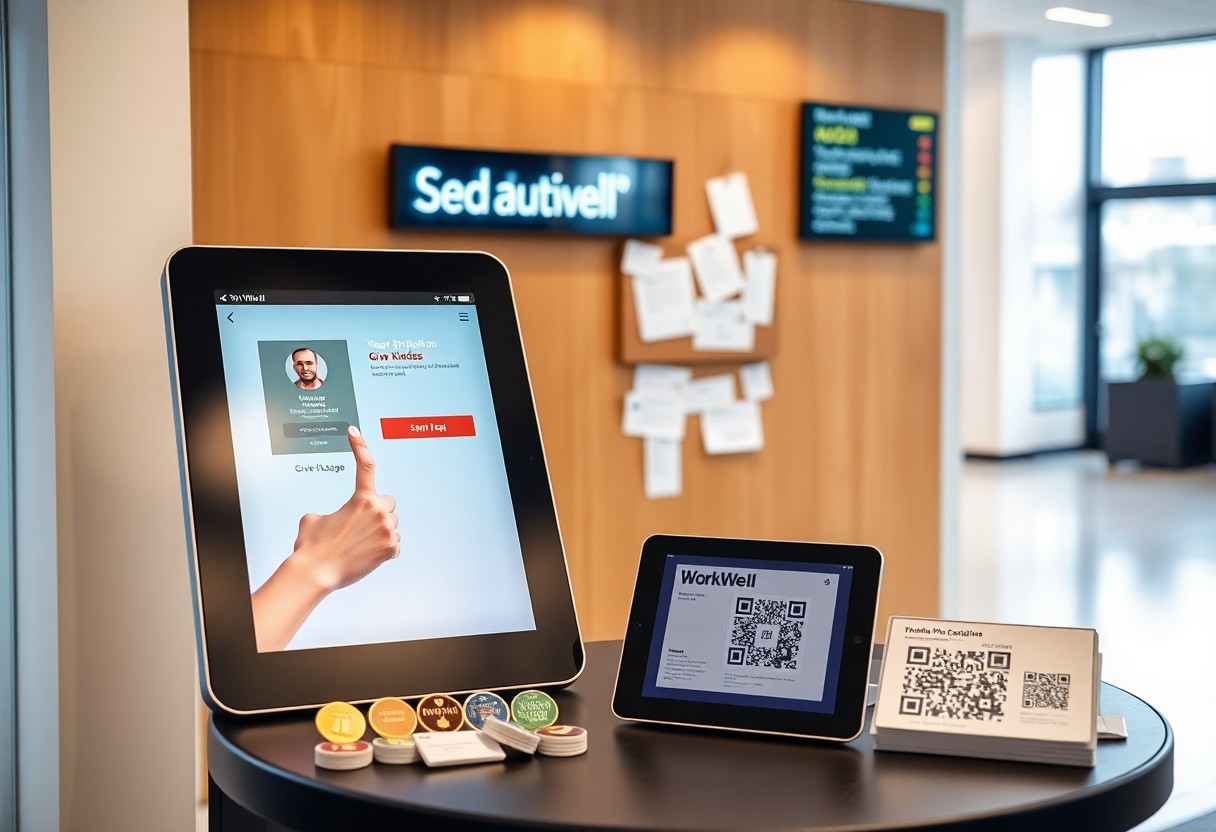
Peer-to-peer recognition systems let you publicly acknowledge coworkers, increasing morale and retention when you provide consistent, specific praise. Watch for token gestures that erode trust, and design interactions so you balance visibility with genuine feedback to sustain long-term engagement.
Breaking Down Silos Through Lateral Appreciation
Lateral appreciation encourages you to recognize peers across teams, creating informal bridges that reduce isolation; offer specific examples of contributions to make cross-team credit meaningful and prevent miscommunication.
Implementing Effective Social Recognition Platforms
Selecting a platform requires you to prioritize usability, integration with workflows, and metrics that measure impact; ensure privacy settings protect candid feedback while avoiding features that encourage shallow point-chasing.
You should pilot tools with small groups, track adoption and sentiment analytics, and set clear guidelines so public praise supports development rather than performance theater; allocate moderator roles to curb misuse and sustain credibility.
Gratitude as a Catalyst for Employee Retention
Gratitude reshapes retention by making you feel valued, reducing burnout and turnover; see research on mood and morale How Expressing Gratitude Can Transform Your Work and Life, and note that consistent recognition raises loyalty and lowers exit risk.
Reducing Turnover Through Value-Based Engagement
You see turnover drop when you prioritize meaningful recognition; simple, regular thanks improve performance, cut attrition, and protect against costly exits, keeping skilled staff engaged and reducing hiring spend.
Enhancing Long-term Loyalty and Brand Advocacy
Loyalty grows when you publicly acknowledge contributions, turning employees into brand advocates who refer talent and defend culture, strengthening reputation and retention over time.
Your long-term approach should include public recognition programs, milestone rewards, mentorship, and clear career paths so you convert satisfaction into advocacy; when staff share positive stories, they lower recruiting costs and build customer trust. Track sentiment metrics, spotlight high-impact contributions, and address grievances quickly to avoid reputational damage-these actions make you an employer people willingly recommend.
Measuring the ROI of High Morale
Measuring morale lets you tie engagement to outcomes like retention, reduced turnover, and revenue per employee, making a clear case for investment.
Correlating Appreciation with Productivity Metrics
You can correlate recognition frequency with KPIs like output, error rates, and cycle time to quantify morale’s impact; higher appreciation often predicts better productivity.
Utilizing Sentiment Analysis and Employee Net Promoter Scores
Analyze survey text and ENPS trends to detect shifts in mood, flagging rising disengagement risks and confirming initiatives that boost your scores.
Tracking sentiment across channels and correlating ENPS with tenure, promotions, and absenteeism lets you build predictive models; use automated NLP to quantify praise versus complaints, prioritize interventions where negative sentiment spikes, and measure the lift in engagement and retention after actions.
Summing up
Considering all points, WorkWell shows how gratitude practices improve morale, reduce turnover, and sharpen team focus, so you can implement simple rituals, model appreciation, and track outcomes to sustain positive culture and measurable performance gains.
FAQ
Q: What is WorkWell – Gratitude and Workplace Morale, and how does gratitude improve workplace morale?
A: WorkWell is a structured program that uses regular, intentional expressions of appreciation to raise employee morale, strengthen relationships, and clarify valued behaviors. The program combines manager acknowledgments, peer recognition, written thank-you notes, and short rituals such as weekly shout-outs to make appreciation a routine practice. Psychological studies link recognition to greater belonging, perceived fairness, and meaning at work, which in turn increase engagement, improve collaboration, and reduce turnover. Expected outcomes include improved day-to-day mood and team cohesion, higher engagement survey scores within months, and measurable retention and performance gains over time.
Q: How can managers implement WorkWell gratitude practices without appearing insincere or forced?
A: Managers should prioritize specific, timely, behavior-based acknowledgments that explain what the person did and why it mattered. Establishing a predictable cadence for recognition, such as weekly or monthly formats, helps normalize appreciation and prevents it from feeling sporadic. Provide short training and concrete examples so managers learn natural phrasing and can avoid generic compliments. Promote peer-to-peer recognition channels to broaden participation and reduce the burden on managers. Track distribution of recognition to ensure equity across teams and roles and adjust practices if certain groups are consistently overlooked.
Q: How can organizations measure the impact of WorkWell gratitude initiatives on morale and performance?
A: Combine quantitative and qualitative measures to assess program effects. Use engagement and pulse survey items focused on recognition, belonging, and job meaning before and after rollout. Monitor objective indicators such as voluntary turnover, absenteeism, internal mobility, and team productivity metrics for groups that adopt the program. Analyze recognition activity data for frequency, participation rates, and diversity of nominators to understand adoption patterns. Run pilots with control groups to help establish causal links, and supplement numerical data with employee interviews and focus groups to capture nuanced benefits and any unintended consequences. Review results quarterly and refine practices based on the evidence.
Leave a Reply