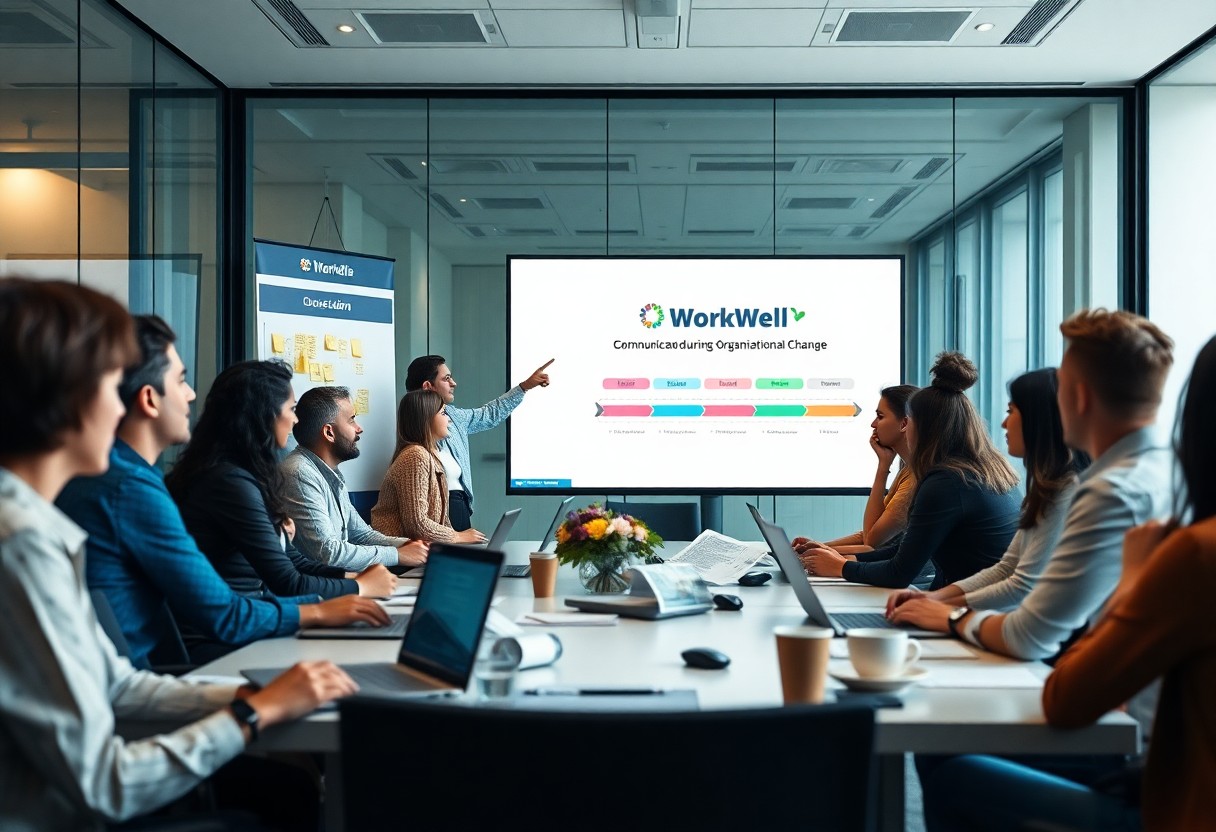
It’s vital that you deliver clear updates, set expectations, and explain reasons so teams avoid rumor-driven disruption and maintain retained trust during organizational change.
Key Takeaways:
- Transparent, frequent communication reduces uncertainty and preserves trust by explaining why changes are happening, what will change, and what employees can expect.
- Two-way channels-regular manager briefings, town halls, pulse surveys, and feedback loops-surface concerns early and increase employee engagement and adoption.
- Audience-specific messaging with clear roles, timelines, and practical next steps ensures consistent leadership signals and helps teams translate strategy into daily actions.
The Psychology of Change: Addressing Employee Uncertainty
Change triggers doubt; you should acknowledge uncertainty by communicating timelines, expected impacts, and available supports to reduce anxiety and preserve productivity.
Mitigating Resistance through Transparency
Clarity helps you reduce resistance: share decisions, rationale, and clear next steps so employees perceive transparency and suffer less anxiety.
Establishing Psychological Safety and Trust
Trust forms when you admit unknowns, invite questions, and protect dissent; that builds psychological safety so people contribute without fear.
Create routines where you solicit concerns in safe forums, respond transparently, and document actions so staff see follow-through. Protect people from retaliation, address rumors quickly, and provide manager coaching to handle emotional reactions. By modeling respect and admitting limits, you signal mistakes won’t be punished and that psychological safety and trust reduce fear and costly turnover.
Strategic Frameworks for Internal Messaging
Defining the Vision and Rationalization for Change
Vision must link change to clear outcomes so you see purpose; state the strategic benefits and the risks candidly to build trust and reduce resistance.
Tailoring Narratives for Different Organizational Levels
Teams need concise, role-specific messages so you understand how change affects daily tasks; emphasize what changes for you and the support available to reduce anxiety.
Managers require broader context and delegation guidance so you can align teams; highlight decision points and the escalation paths to prevent misalignment.
You should segment audiences by role, decision authority, and information needs; craft messages that answer “what changes,” “why now,” and “how it affects your metrics.” Frame senior briefings to stress strategic trade-offs and resource shifts, while front-line updates should focus on day-to-day impacts and available training. Include clear risk mitigations so you avoid surprises and maintain trust.
Multi-Channel Communication Strategies
Channels you choose should match audience needs; mix email, town halls and 1:1s. Set clear messages, reduce miscommunication risk, and maintain trust. See WorkWell – Coping with Change at Work for practical guidance.
Using Digital Platforms and Direct Dialogue
Digital channels let you share updates fast; combine async posts with live Q&As so you can address concerns and build trust. Monitor sentiment and respond to reduce rumor spread.
Establishing Consistent Cadence and Feedback Loops
Set predictable rhythms so you give updates and collect feedback regularly; that reduces anxiety and spots issues early. Use surveys and open forums for honest input.
Regular contact cycles help you align teams and surface resistance early; schedule weekly briefs, monthly town halls and rolling pulse surveys. Ensure leaders respond within set windows and close the loop so concerns don’t fester and you sustain confidence during change.
The Role of Leadership as Change Catalysts
You must act as a change catalyst by modeling behaviors, communicating clear priorities, and addressing anxiety, so teams see visible commitment and avoid the danger of rumor-driven inertia.
Equipping Mid-Level Managers for Effective Cascading
Your mid-level managers need concise tools, frequent coaching, and scripted responses so they can translate strategy into team actions and reduce confusion; provide clear guidance and monitor execution.
Executive Visibility and Active Listening
Make executives highly visible through regular floor visits and town halls while practicing active listening to capture frontline concerns and signal real responsiveness.
Listen for recurring themes, respond publicly to concerns, assign follow-up owners, and track outcomes; lack of follow-through creates erosion of trust.
Overcoming Common Communication Barriers
Barriers from mixed channels and unclear cadence leave you confused; prioritize consistent channels, regular briefings, and targeted messages to reduce noise and shield teams from change fatigue.
Handling Information Overload and Change Fatigue
Confusion from constant updates can wear you down; limit message frequency, highlight top priorities, and offer concise action steps so attention and morale stay intact.
Managing Misinformation and Cultural Friction
Rumors spread quickly and can cause trust erosion; you must correct falsehoods promptly, cite credible sources, and engage local voices to respect norms and rebuild confidence.
Clarifying misinformation requires you to monitor channels continuously, assign a rapid response team, publish clear corrections and FAQs in local languages, and document actions to mitigate legal risk and reputational harm; involve community leaders to align messages with cultural expectations and restore trust fast.
Measuring the Impact of Communication Efforts
Measurement of your communication impact combines quantitative metrics and qualitative feedback so you can assess reach and behavior change. Track clear metrics, monitor engagement, and flag any retention drop to act quickly.
Key Performance Indicators for Employee Alignment
Track adoption, comprehension, response rates, and behavior metrics so you can measure alignment. Focus on adoption rate, improve comprehension scores, and watch for turnover increase as an early warning sign.
Utilizing Sentiment Analysis and Post-Change Reviews
Combine sentiment analysis with post-change reviews so you can identify tone shifts and communication gaps. Prioritize addressing negative sentiment spikes, amplify feedback that offers qualitative insights, and convert findings into actionable changes.
You should collect sentiment from channels, pulse surveys, and open comments, using NLP to quantify tone and themes. Cross-reference those trends with adoption and productivity metrics to pinpoint negative sentiment spikes and underlying root causes. Design targeted communications, schedule manager coaching, and update materials to close gaps and restore confidence.
Conclusion
You will keep teams aligned during change by communicating clear goals, consistent timelines, and frequent two-way updates; WorkWell guides you to measure responses, adjust messaging, and maintain productivity while minimizing uncertainty and turnover.
FAQ
Q: What is WorkWell and why does communication matter during organizational change?
A: WorkWell is a structured communication approach that keeps employees informed, engaged, and supported during change. Clear messaging reduces uncertainty, aligns priorities, and helps maintain productivity. The program targets messages by role and timing to ensure relevance, and it uses a mix of channels-email, briefings, team huddles, and intranet-to reach different audiences. Regular two-way channels and feedback loops allow leaders to surface concerns, correct misinformation, and adapt messages based on real input. Ongoing measurement of engagement and sentiment informs adjustments to content and cadence.
Q: What communication practices should leaders use when implementing WorkWell?
A: Leaders should define specific communication objectives for each phase of the change and identify the audiences and outcomes for every message. Provide frequent, concise updates that explain the what, why, and next steps, and schedule interactive sessions where questions can be raised and answered. Assign clear communication owners and spokespeople so employees know where to go for reliable information and who will act on feedback. Deliver targeted training and quick reference guides before and during rollout to reduce skill gaps. Track recurring questions and visible actions taken in response, so employees see that feedback leads to concrete changes.
Q: How can organizations measure the effectiveness of WorkWell communications and address employee resistance?
A: Use a combination of quantitative and qualitative indicators such as open and click rates, attendance at briefings, pulse survey scores, sentiment trends, and adoption metrics for new processes. Run focus groups and manager roundtables to surface deeper concerns and recurring themes that metrics may miss. Address resistance by acknowledging concerns, offering targeted coaching or role-specific support, and staging pilots that let teams try changes with close support and iteration. Identify informal influencers within teams who can model desired behaviors and translate messages into everyday language. Review metrics and qualitative feedback frequently during the rollout and adjust message frequency, channel mix, or content focus based on observed trends.
Leave a Reply