
There’s clear evidence that simple actions you take today reduce burnout risk, improve morale, and deliver better focus and health; use short breaks, ergonomic setups, clear expectations, and the practical tips in 19 Ways To Improve Well-Being in the Workplace to start immediately.
Key Takeaways:
- Encourage regular breaks, flexible schedules, and quiet spaces to reduce stress and improve focus.
- Create clear communication channels, give regular feedback, and recognize achievements to strengthen trust and morale.
- Provide access to wellness resources, mental-health days, and ergonomic equipment to support physical and mental health and lower absenteeism.
Optimizing the Physical Workspace
Arrange your desk to reduce clutter, create clear movement paths, and keep frequently used items within reach; this lowers distraction and reduces trip and strain hazards, helping you stay focused and safer throughout the day.
Ergonomic Adjustments for Sustained Health
Position your monitor at eye level, set chair height for 90-110° knee angles, and use external keyboards or vertical mice to minimize neck and wrist strain, supporting longer comfortable work periods.
Enhancing Environmental Air and Light Quality
Improve ventilation with frequent air exchanges, add low-emission plants and HEPA filtration where needed, and choose full-spectrum lighting to reduce pollutants, boost mood, and prevent drowsiness.
You can monitor CO2 to spot poor ventilation, schedule HVAC filter changes and use MERV 13+ or HEPA filters where possible, reduce chemical sources by choosing low-VOC materials, and install adjustable, glare-free full-spectrum fixtures that mimic daylight cycles to improve concentration, sleep, and reduce sick days.
Cultivating Psychological Safety
You can increase trust by encouraging open mistakes, protecting people who speak up, and modeling calm responses; creating psychological safety lets team members take healthy risks and share concerns without fear.
Building Cultures of Transparent Communication
Make transparency routine by sharing decisions, admitting unknowns, and asking for input so you reduce gossip and build clearer expectations.
Reducing Stigma Around Mental Health Support
Normalize conversations about stress, spotlight available confidential supports, and encourage you to offer empathetic responses so colleagues seek help sooner.
Provide regular training for managers, visible leader endorsements of using support, and clear confidentiality policies; when you combine policy with everyday language and timely crisis access, stigma falls, utilization rises, and retention and safety improve.
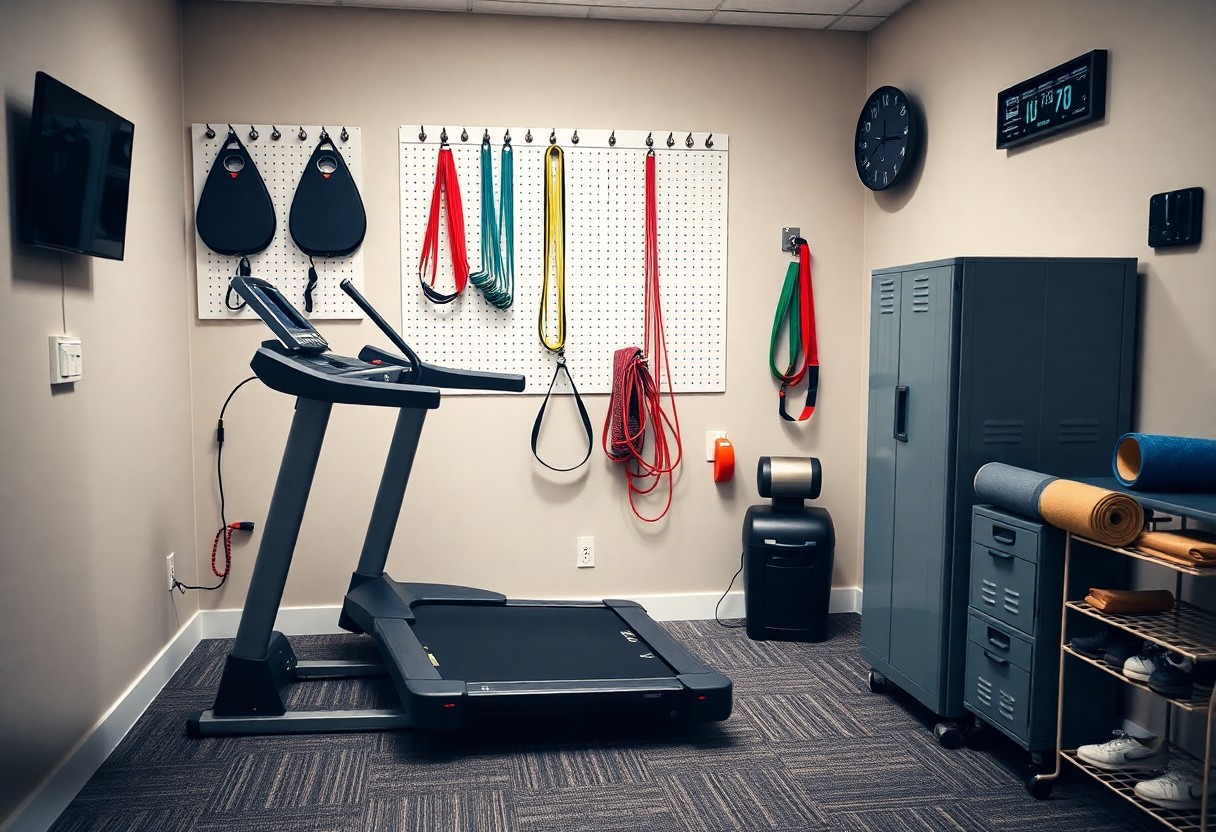
Promoting Movement and Active Recovery
Movement helps you counteract prolonged sitting: brief stretches and mobility resets ease tension, boost focus, and cut fatigue. Include short active recovery to lower musculoskeletal strain and remind teams that prolonged sitting raises cardiovascular risk.
Integrating Micro-breaks into the Workday
Take micro-breaks every 45-60 minutes to stand, breathe, and reset posture; 60-second mobility moves can reduce eye strain and neck tension while maintaining workflow and lowering cumulative musculoskeletal load.
Utilizing Standing and Walking Meeting Formats
Shift some meetings to standing or walking formats so you and colleagues stay active; this approach often shortens meetings and boosts circulation and focus.
Plan routes, set clear agendas, and cap walking meetings at 20 minutes so you keep momentum and capture action items; use flat, accessible paths and a notetaker or voice memo, and watch for uneven ground and trip hazards. Experience shows higher engagement and clearer decisions.
Defining Digital Boundaries
Boundaries help you protect focus and downtime by setting clear device and message limits, preventing constant interruptions and preserving recovery between work sessions.
Mitigating Notification Fatigue and Overload
Mute nonurgent apps and schedule notifications so you can focus; assign channels for urgent-only alerts to prevent constant task-switching and burnout.
Establishing Clear Off-Clock Communication Protocols
Agree on off-clock expectations by defining response windows, labeling urgency, and using an emergency-only channel so work doesn’t invade personal time.
Set written policies that specify what qualifies as an after-hours emergency, allow you to opt out of noncritical threads, require leaders to model boundaries, and enforce consequences to reduce stress, sleep loss, and hidden turnover risk.
Fostering Social Connectivity
Teams benefit when you prioritize brief social rituals like coffee chats and cross-team lunches; these reduce isolation and cut the risk of burnout, while making collaboration more natural.
Strengthening Peer Support Networks
Peer support helps you share workloads and emotional strain through small groups, mentoring circles, and buddy systems; schedule regular check-ins to create psychological safety and reduce presenteeism.
Implementing Inclusive Recognition Programs
Recognition encourages you to nominate peers, celebrate diverse wins, and give public or private rewards so every contribution is visible; use transparent criteria to prevent favoritism.
Create recognition systems that let you nominate colleagues across roles, combine peer-nominated awards with manager reviews, and track who receives praise to spot gaps; include non-monetary rewards, rotate award categories, and train judges on bias to keep outcomes fair and inclusive.
Encouraging Autonomy and Growth
You can increase wellbeing by granting decision space, clear goals, and regular feedback; this builds ownership, cuts burnout risk, and improves retention while keeping alignment through targeted check-ins.
Empowering Employee Decision-Making
When you let team members choose approaches and set boundaries, they move faster and feel trusted; provide context, approve scope, and use clear guardrails to prevent costly mistakes and misalignment.
Providing Continuous Learning Opportunities
Give your team access to short courses, mentors, and stretch projects so skills stay current; tie learning to roles and praise progress to reinforce growth and raise retention.
Offer targeted microlearning, paid certification, cross-training, and scheduled learning hours so you close skill gaps without overwhelming schedules; assign mentors, set measurable milestones, and link training to promotions to signal value. Keep a learning budget and monitor outcomes so you can correct wasted spend; consistent investment increases capability, engagement, and reduces turnover.
Conclusion
On the whole you can improve workplace wellbeing today by adopting clear communication, regular breaks, fair workloads, recognition, flexible schedules, mental health support, safe spaces, ergonomic setups, development opportunities, and team connection; these practical steps reduce stress and boost productivity so you see measurable benefits quickly.
FAQ
Q: What are the most effective simple actions I can take today to improve workplace wellbeing?
A: Start with low-effort, high-impact practices that employees notice quickly. Encourage short movement breaks and walking meetings to reduce sedentary time and boost mood. Improve lighting, add a few low-maintenance plants, and open blinds where possible to increase natural light and reduce eye strain. Clarify role expectations and workloads with brief weekly check-ins so staff know priorities and deadlines. Create a regular recognition habit such as quick public shout-outs or handwritten thank-you notes to raise morale. Offer flexible scheduling or hybrid options where feasible to help staff balance work and personal life. Provide access to mental-health resources, whether an employee assistance program, curated free apps, or a list of local counselors. Introduce basic ergonomic supports like laptop stands or external keyboards and share guidance on healthy desk setup. Protect focus time by instituting meeting-free blocks each day and encourage nutritious snacks or water stations to maintain energy. Teach one or two practical stress-management techniques, such as breathing exercises or short time-blocking methods, so staff can apply them immediately.
Q: How can managers implement wellbeing ideas without a big budget?
A: Use time, process changes, and communication rather than major spending. Schedule regular microbreaks and block focus time in calendars to reduce overload without cost. Replace one long meeting with a short standing update to save time and increase activity. Start a peer-recognition system that uses simple messages, a shared channel, or a rotating kudos board. Repurpose existing budget lines for small wellbeing pilots such as snacks, a plant, or a few ergonomic items prioritized for those with the greatest need. Curate and share free or low-cost mental health and productivity resources, such as community counseling directories, mindfulness podcasts, and charity-funded programs. Encourage walking meetings and outdoor breaks that cost nothing but improve mood. Offer short internal training sessions led by staff with relevant skills to build capability without external trainers. Run small, time-limited trials and scale what works to avoid large upfront expenses.
Q: How should we measure the impact of wellbeing efforts and secure employee buy-in?
A: Define clear, simple measures before starting and involve employees in choosing them. Use a baseline pulse survey to capture stress, engagement, and perceived workload, then repeat short pulse surveys every 4-8 weeks to track change. Monitor objective indicators such as absenteeism, turnover intent, number of sick days, and meeting hours to spot trends. Hold brief focus groups or one-on-one check-ins for qualitative feedback and to surface unintended consequences. Run a short pilot with a small team, report results transparently, and highlight early wins to build momentum. Ask staff which interventions they prefer and let them volunteer to pilot ideas so ownership increases. Adjust interventions based on data and communicate changes and impacts regularly to maintain trust and participation.
Leave a Reply