
Most managers must balance demand and care so you prevent burnout; set realistic goals, offer clear schedules and breaks, provide resources, and run regular check-ins so your team stays healthy and productive.
Key Takeaways:
- Managers schedule regular check-ins, set clear priorities, and adjust deadlines to reduce overload.
- Teams rotate tasks, share peak-period responsibilities, and bring in temporary staff to balance workload.
- Employers encourage short breaks, paid mental-health days, and easy access to wellbeing resources and time-management training.
Identifying Early Indicators of Burnout
Spot subtle changes in behavior-reduced initiative, increased irritability, missed deadlines-and patterns like presenteeism; these are early warning signs you should address before burnout escalates.
Monitoring Shifts in Employee Engagement
Watch for falling participation in meetings, declining work quality, and reduced collaboration; these shifts often mean engagement is dropping and you should check in with the employee.
Recognizing Physical and Emotional Exhaustion
Notice persistent fatigue, sleep disruption, frequent headaches, or flattened affect; these physical and emotional signals are serious indicators that require prompt attention.
If you observe ongoing exhaustion, schedule a private conversation, redistribute tasks or adjust deadlines, encourage regular short breaks, and provide access to mental health support; persistent symptoms may warrant temporary workload reduction or time off.
Strategic Workload Management
Plan workload across teams so you can reduce spikes, stagger deadlines, and set clear priorities. You should monitor capacity, spot signs of burnout, and adjust assignments to avoid missed deadlines while protecting morale.
Prioritizing High-Impact Tasks
Focus your efforts on high-impact tasks by triaging work, deferring low-value requests, and blocking deep-work time so you maintain quality under pressure.
Implementing Temporary Resource Redistribution
Shift staff temporarily by cross-training and assigning backup roles, or bring in short-term hires to plug skill gaps and reduce overload, keeping service levels steady.
Reassign roles with clear scope, start and end dates, and brief handovers so you avoid mismatches in skill and service drops. You should set measurable goals, monitor performance, and rotate people to limit burnout. Consider contractors for quick capacity, but verify qualifications to prevent costly errors.
Enhancing Flexibility in Operations
Adjusting operations to allow schedule swaps, role rotation, and temporary staffing helps you meet demand without overloading teams; emphasize flexible roles and policies that reduce burnout risk during peak periods.
Adapting Work Schedules for Peak Demands
Stagger shifts and offer shorter or compressed options so you can maintain coverage while giving staff recovery time; provide predictable schedules and clear swap policies to cut stress.
Encouraging Micro-Breaks and Recovery Time
Allow brief, scheduled micro-breaks during long shifts so you and your team can reset; require screen-free recovery and short movement breaks to cut errors and fatigue.
Practice scheduling micro-breaks every 45-90 minutes for 2-5 minutes, using prompts, break rotas, or quiet zones to ensure uptake; teach standing, eye-relief, and breathing exercises to reduce cumulative fatigue and the risk of costly errors. You should have managers model breaks, track compliance, and treat missed breaks as a workload signal rather than a performance lapse to protect morale and sustain output.
Strengthening Mental Health Support Systems
You can strengthen mental health support by ensuring confidential access to counseling, training managers to spot high stress, and creating clear policies that protect employees from extended burnout.
Utilizing Employee Assistance Programs (EAPs)
Use EAPs to offer confidential, professional help, ensuring you publicize services, simplify enrollment, and provide 24/7 helplines for crises so employees seek help quickly.
Providing Access to Stress-Reduction Tools
Offer on-site or digital tools like guided breathing, short mindfulness breaks, and instant stress-relief apps so you reduce immediate tension and support sustained focus.
Provide subscriptions to vetted apps, designate quiet rooms, schedule microbreaks, train managers on quick techniques like 2-minute breathing, and track usage so you can show reduced burnout and improved performance while keeping options confidential.
Fostering a Culture of Real-Time Recognition
Practice calling out wins immediately so you give timely morale boosts, highlight extra effort with public praise, and lower the burnout risk that rises in busy seasons.
Acknowledging Extra Effort and Milestones
Recognize extra hours and small wins immediately so you show care, using short messages or team shout-outs to reinforce positive behavior.
Validating Individual Contributions to Team Goals
Highlight how each task moves team targets so you show individual value and reduce feelings of invisibility, boosting retention during high-pressure periods.
Outline what success looks like for each role, tie individual tasks to measurable milestones, and use private and public recognition so you meet different comfort levels. This clear mapping helps you avoid the danger of disengagement while making progress visible, which strengthens team morale and increases retention.
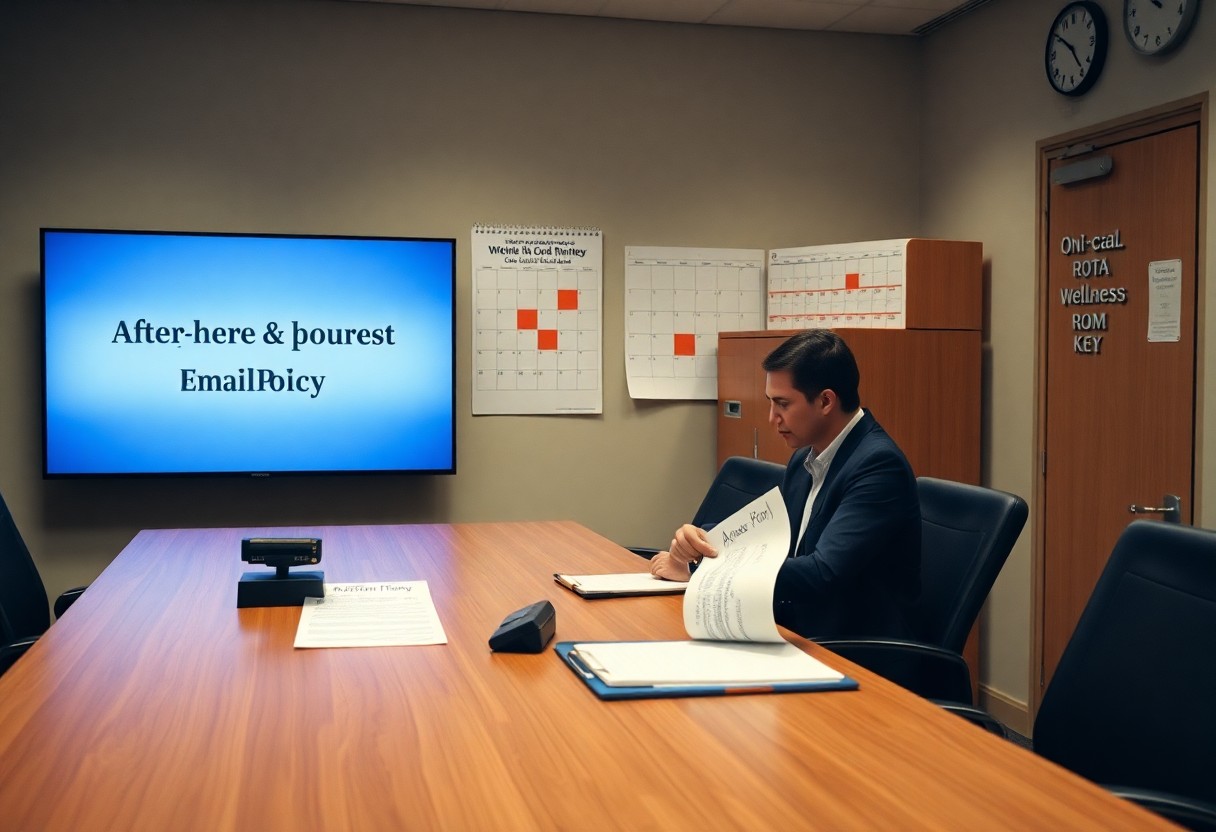
Leadership Accountability and Boundary Setting
You should model and enforce clear boundaries, limit after-hours requests, and check workload to reduce burnout; share resources like 5 ways to look after your wellbeing during busy season.
Modeling Sustainable Work Habits
Practice short, focused sprints, take scheduled breaks, and avoid praising constant overtime; your visible habits teach the team what sustainable work looks like.
Transparent Communication of Expectations
Set clear deadlines, explain priorities, and outline acceptable after-hours contact; this reduces guesswork and lowers stress.
Provide detailed examples of priority tiers, response-time expectations, and escalation paths so you remove ambiguity; mark high-impact tasks and apply consistent deadlines to protect team wellbeing.
Conclusion
With these considerations you can protect employee wellbeing during busy seasons by setting realistic workloads, ensuring regular breaks, offering flexible schedules and mental-health resources, maintaining clear communication and recognition, and monitoring workload to prevent burnout.
FAQ
Q: How can managers adjust workloads and expectations during busy seasons?
A: Managers should perform a quick task audit to identify priorities, classify work as A/B/C, and postpone or delegate C-level tasks. Set clear deadlines for A-level work and break large projects into short milestones to reduce ambiguity. Redistribute assignments across teams, use temporary staff for predictable spikes, and cross-train employees so coverage is available without overloading a few people. Limit internal meetings to two short days per week and cap individual weekly overtime; monitor overtime hours and require relief when an employee exceeds a preset threshold (for example, 10-12 extra hours per week). Protect scheduled days off and create minimum rest windows between shifts to prevent chronic fatigue.
Q: What practical steps can companies take to protect mental and physical health during peak periods?
A: Employers can offer flexible scheduling, mental health days, and confidential access to counseling or an employee assistance program. Provide practical onsite or virtual supports such as quiet rooms, stretch-and-move reminders, adjustable desks, and healthy snack options. Institute mandatory short breaks and a protected lunch period, and adopt a clear policy that limits after-hours communication for non-urgent matters. Train managers to spot early signs of burnout-persistent irritability, sharp drops in output, increased errors, or rising absenteeism-and trigger check-ins or workload adjustments when those signs appear. Track metrics like sick-day rates, overtime trends, and self-reported stress scores to spot problems before they escalate.
Q: How can communication and recognition be used to maintain morale and reduce burnout during busy periods?
A: Establish clear, frequent communication about priorities, timelines, and who owns each task to reduce uncertainty. Use brief daily huddles and a single written daily update to keep everyone aligned while minimizing meeting fatigue. Implement a recognition program with immediate, low-effort gestures such as public shout-outs, small spot bonuses, or handwritten thank-you notes tied to specific contributions. Schedule short team celebrations or debriefs after peak windows to acknowledge effort, capture lessons, and redistribute rewards. Measure morale through quick pulse surveys and track retention and engagement scores to evaluate whether communication and recognition steps are effective.
Leave a Reply