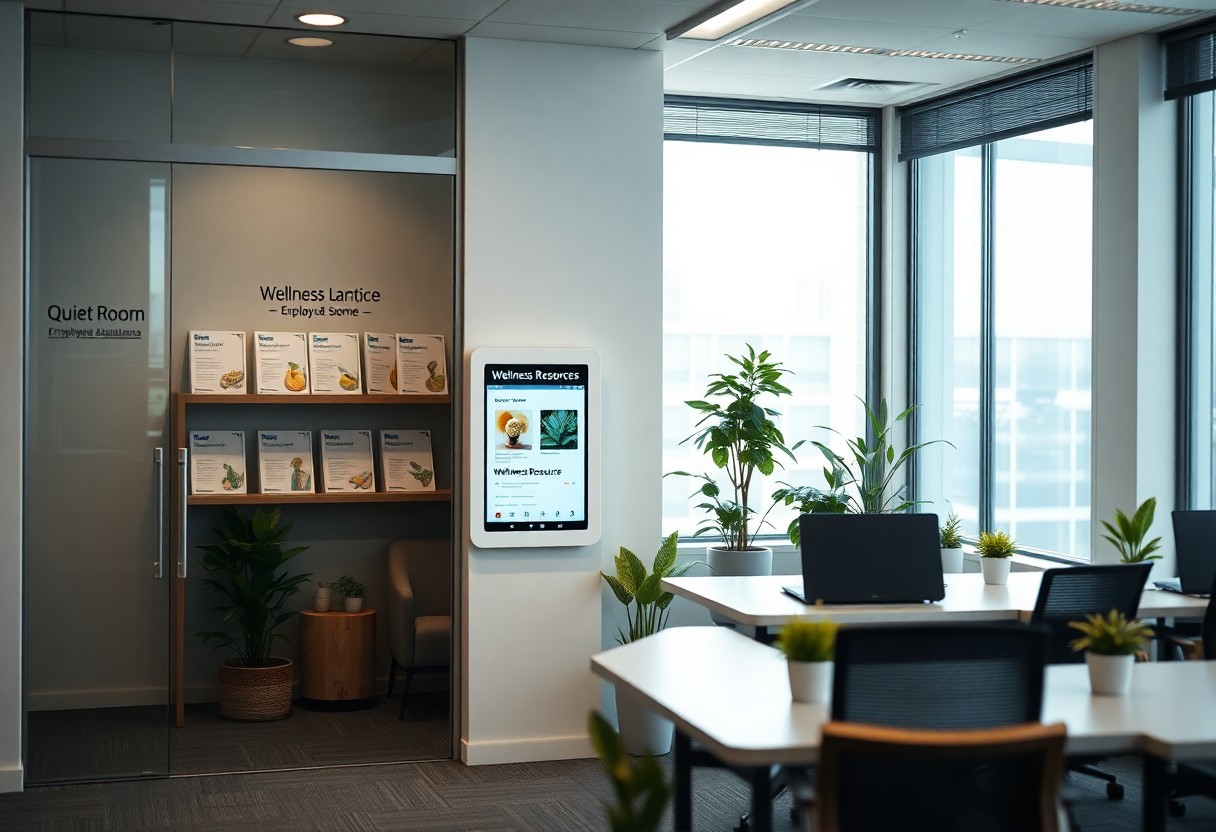

Wellbeing at work depends on how you design spaces, policies and culture; supportive policies, open communication and manageable workloads reduce burnout while promoting mental health for your team.
Key Takeaways:
- Leadership models healthy behavior and open communication by setting boundaries, taking regular breaks, and normalizing conversations about mental health.
- Access to counseling, flexible scheduling, and designated mental health days reduces barriers to care when promoted and made easy to use.
- Predictable workloads and clear role expectations lower chronic stress; train managers to spot signs of distress and respond with private, supportive conversations and referrals.
Cultivating a Culture of Psychological Safety
As a leader, you model openness, invite feedback, and respond to concerns without blame; share practical steps and resources like 5 ways to improve employee mental health to make psychological safety routine.
Destigmatizing Mental Health Conversations
You normalize mental health talk by training managers, offering confidential support, and publicly recognizing help-seeking; this reduces stigma and encourages earlier care.
Establishing Clear Professional Boundaries
Clear expectations about hours, response norms, and time off let you protect focus and personal time, reducing overwork and helping teams sustain performance.
Set boundaries by writing them into job descriptions, onboarding, and team charters; you should model expected behaviors, schedule predictable check-ins, and limit after-hours requests. Apply policies evenly and address lapses promptly to prevent overwork and the risk of burnout, while reinforcing the psychological safety that supports sustainable performance.
Implementing Flexible Work Policies
You can adopt flexible schedules like staggered start times and compressed weeks so your team balances personal demands; require clear expectations, set measurable outcomes, and enforce protected time-off to reduce after-hours contact and lower burnout risk.
Supporting Remote and Hybrid Work Models
Remote arrangements require you to maintain regular check-ins, standardize communication norms, and monitor isolation; offer technology support and clear collaboration rules so your staff feel connected and that mental health concerns are visible early.
Proactive Workload Management to Prevent Burnout
Plan workloads so you match capacity with demand, limit overtime, rotate intense projects, and use data to spot spikes; act on overwork signals before they escalate into burnout.
Set clear processes you can follow to monitor and rebalance work: define role capacity, standardize task-sizing, and require weekly manager reviews so you catch sustained overload. Use simple metrics-hours worked, overdue tasks, intensity scores-and trigger redistribution or temporary relief when overwork signals appear. Train managers to have candid check-ins, authorize recovery time, and document adjustments to prevent chronic burnout.
Providing Comprehensive Support Resources
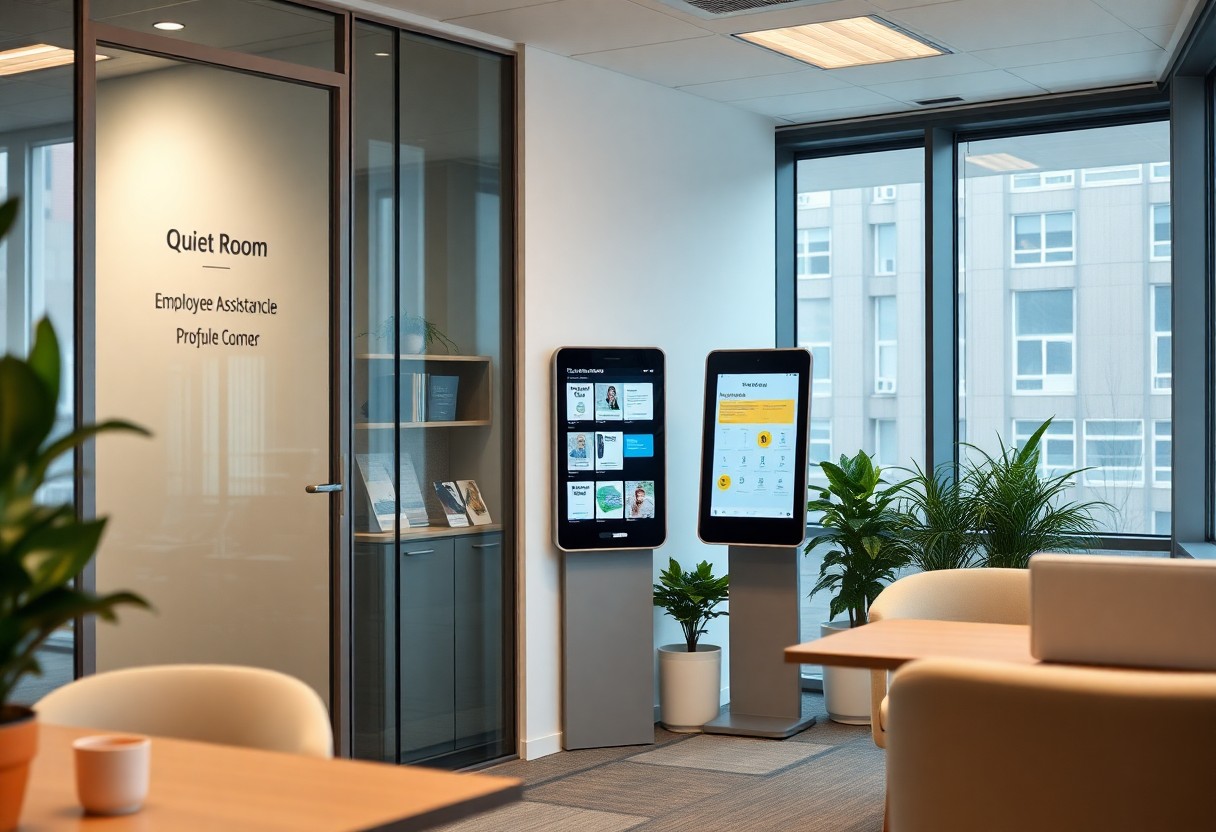
Provide employees with on-site and external supports, including 24/7 crisis lines, trained peer networks, and accessible digital therapy so you reduce barriers and ensure quick care when stress spikes.
Investing in Comprehensive Employee Assistance Programs (EAPs)
Design EAPs to offer confidential counseling, legal and financial advice, and referrals, ensuring you address both acute crises and ongoing challenges; confidential access increases utilization.
Offering Specialized Mental Health Benefits and Leave
Offer targeted benefits like therapy subsidies, teletherapy options, and clear short-term mental health leave policies so you remove financial and procedural barriers; paid leave supports safe recovery.
Include structured return-to-work plans, manager-guided accommodations, and routine benefits reviews so you maintain continuity of care; regularly updated policies reduce relapse risk and clarify expectations.
Equipping Leadership with Emotional Intelligence
You can strengthen leadership by improving emotional intelligence, helping managers read team moods and respond to stress. Train leaders to model empathy, hold regular check-ins, and address burnout risks early to protect wellbeing and reduce turnover.
Training Managers to Recognize Signs of Distress
Coaching managers to spot early warning signs helps you intervene before issues escalate; teach them to notice shifts in performance, mood, and attendance, and to act quickly when you observe severe withdrawal or any talk of self-harm.
Developing Empathetic Communication Strategies
Practice framing conversations to validate feelings, ask open questions, and offer concrete support options; this helps you build trust while keeping conversations focused on safety, reducing the chance of missed crisis signals.
Consider practicing scripted openers and reflective statements so you can calm tense interactions and signal nonjudgmental support. Teach your managers to mirror emotions briefly, offer options like time off or counseling referrals, and set clear next steps to keep boundaries. Role-play difficult conversations and provide feedback so you reduce errors that might miss crisis indicators or escalate stress.
Optimizing the Physical and Digital Environment
Space and device choices reduce stress: you should arrange desks for privacy, keep clutter minimal, and provide ergonomic chairs and adjustable desks to prevent strain; include natural light and quiet zones to support focus.
Designing Workspaces for Cognitive Focus and Comfort
Lighting, temperature, and layout affect attention; you should use adjustable task lighting, reduce glare, and offer quiet nooks plus varied seating to sustain concentration and ease physical strain.
Mitigating Digital Fatigue and Information Overload
Reduce constant interruptions by limiting notifications, batching messages, and setting clear response expectations so you protect focus; constant alerts drive stress and harm productivity.
Set clear communication norms: you should define response windows, create meeting-free blocks for focused work, enforce do-not-disturb periods, and train teams on inbox triage. Using channels for specific purposes and summarizing threads prevents duplication. Watch for always-on notifications, which spike cortisol and burnout; structured async practices reduce overwhelm and improve decision quality.
Sustaining Progress Through Data and Feedback
Data-driven monitoring keeps progress visible: you should run short pulse surveys, track usage of supports, and set early warning flags for rising stress while protecting anonymous responses.
Utilizing Regular Employee Wellbeing Assessments
Surveys every few weeks let you spot trends quickly; analyze responses by team, act on high stress signals, and celebrate improved engagement while treating spikes in distress as action triggers.
Integrating Health Metrics into Organizational Goals
Align wellbeing measures with business KPIs so you report them monthly, include wellbeing KPIs in leadership scorecards, and show how improvements reduce absenteeism and boost morale.
Set clear metrics (stress scores, EAP use, absenteeism, turnover, engagement) and define reporting cadence; you must protect employee privacy, assign manager accountability, and link results to reviews so turnover reduction and sustained wellbeing become visible outcomes.
To wrap up
As a reminder you must set clear policies, offer flexible scheduling, train managers to spot distress, provide access to services and track outcomes; consult official guidance like Workplace Mental Health & Well-Being to align practices with evidence and protect staff wellbeing.
FAQ
Q: What leadership actions and policies create a mentally healthy workplace?
A: Managers set the tone by modeling healthy behaviors such as taking breaks, using leave, and respecting boundaries. Policies should limit excessive workloads, clarify expectations, offer flexible scheduling and paid mental health leave, and establish a clear accommodation and return-to-work process. Train managers to recognize signs of distress, hold supportive conversations, and refer employees to resources without stigma. Communicate policies clearly, apply them consistently, and review manager practices through regular feedback and well-being surveys.
Q: How can the physical and virtual workspace support mental health?
A: Design physical spaces with natural light, quiet rooms, comfortable seating, adjustable desks, and access to outdoor or break areas. For remote and hybrid teams, set norms for asynchronous work, meeting limits, and boundaries around after-hours communication. Provide reliable, secure technology that reduces friction and protects privacy. Schedule regular breaks and meeting-free windows, and offer sensory accommodations or private spaces for decompression. Gather employee input on layout and schedules and iterate based on usage and feedback.
Q: What resources and practices help employees manage mental health and how should an organization measure success?
A: Provide confidential Employee Assistance Programs, access to counseling, designated mental health days, and curated self-help tools and apps. Offer training on stress management, building coping skills, and how managers can support team members. Establish peer-support groups and clear, confidential pathways for requesting accommodations. Protect privacy so use of supports is not penalized. Measure impact with anonymous well-being surveys, utilization rates of services, trends in absenteeism and turnover, and qualitative feedback from focus groups; adjust offerings based on that data.
Leave a Reply