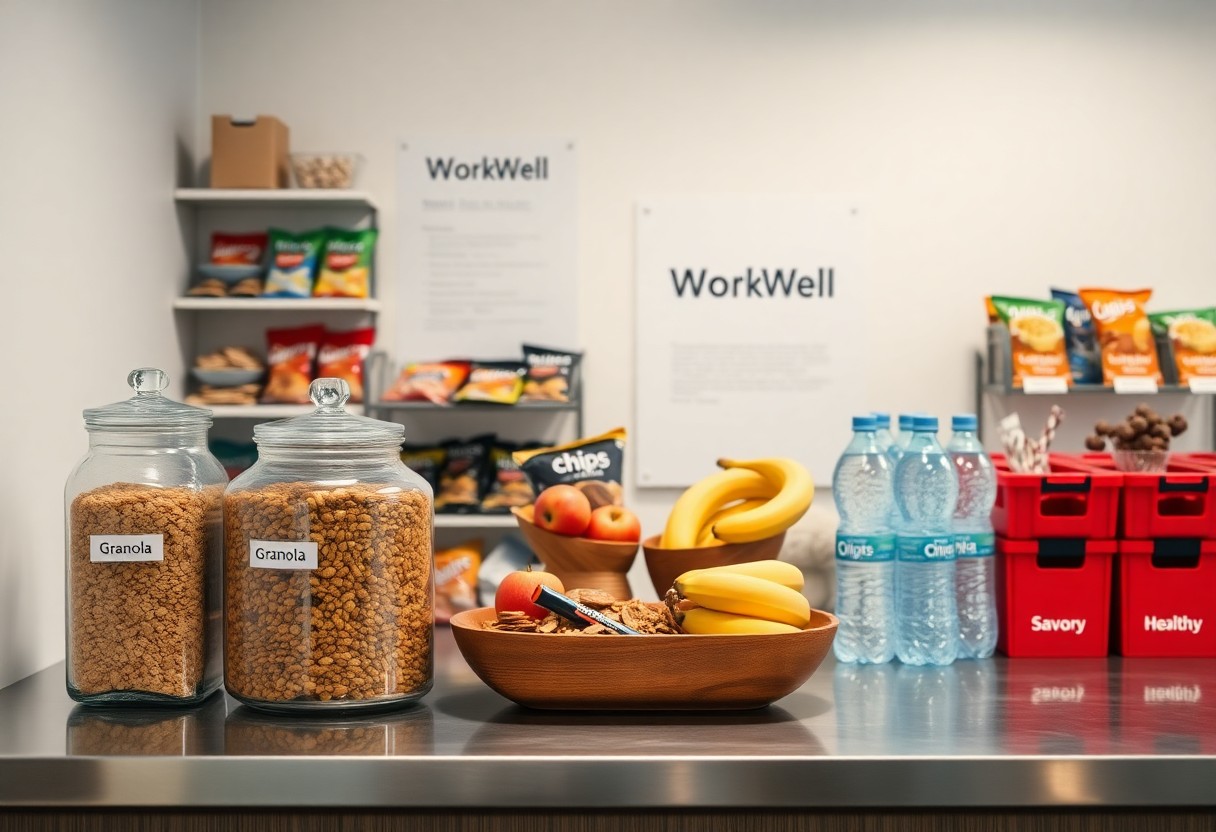
With the snacks you stock, you signal your company’s values to employees and visitors, shaping expectations about professionalism and care; providing only sugary, processed options can create health risks and erode trust, while thoughtful choices like healthy, inclusive options and labeling can boost morale and productivity, support diversity, and reduce absenteeism, so you should align your snack strategy with the culture you want to build.
Key Takeaways:
- Snack choices signal priorities: curated healthy options emphasize employee wellbeing, while cheap, processed snacks suggest convenience or cost-cutting.
- Availability and inclusivity (vegan, gluten‑free, nut‑free) communicate respect for diverse needs and foster belonging.
- How snacks are shared-communal bowls, stocked kitchens, or BYO-reflects collaboration norms, hierarchy, and investment in employee experience.
The Importance of Office Snacks
Across workplaces, snacks do more than curb hunger: they shape routines, signal values, and affect retention. When you provide options like fresh fruit, nuts, and protein bars, employees report higher perceived support and focus. Companies such as Google and LinkedIn use stocked kitchens to communicate investment in employee well‑being; meanwhile, offering only candy or vending machines can convey a short-term, low-investment culture. Small choices-what sits on the counter-send powerful cultural messages.
Nourishment for Productivity
Your brain consumes about 20% of your body’s resting energy, so steady fuel matters. Choosing snacks with protein and fiber-almonds, Greek yogurt, hummus with veggies-helps maintain glucose and attention, while simple sugars often lead to energy crashes within 30-90 minutes. Encourage grab-and-go options and visible labeling of macronutrients so you and your team can make quick, sustaining choices that support longer focus blocks.
The Social Aspect of Snacking
Shared snack spaces create informal touchpoints where 5-15 minute interactions spark cross-team ideas and mentorship moments. If you arrange a communal table or rotating snack schedule, spontaneous conversations increase and new working relationships form; the classic “watercooler” still functions as a low-friction collaboration engine. Designated snack rituals, like a weekly fruit drop or snack swap, reinforce inclusion and give you a practical lever to shape day-to-day culture.
Practical steps make that social benefit repeatable: set a visible snack budget, post allergy labels, and rotate offerings between healthy and indulgent. Many teams succeed with a $5-$15 per person per month snack budget, a labeled communal bowl, and a monthly “try this” board highlighting origins or dietary benefits. By tracking informal metrics-frequency of cross-team chats, participation in snack events-you can link these small investments to measurable shifts in collaboration and morale.
Snacks as a Reflection of Company Values
If you stock mostly artisanal, locally sourced items and clearly labeled plant-based options, you signal sustainability and respect for employee choice; conversely, a pantry dominated by sugary drinks and single-serve chips sends a different message about priorities. Companies that champion employee wellbeing often combine free healthy snacks with education programs, while those focused on cost-cutting lean toward vending machines-those choices shape perceptions faster than mission statements.
Health and Wellness Initiatives
If your office provides fruit, nuts, sparkling water and portion-controlled snacks, you encourage sustained energy and fewer mid-afternoon slumps. Studies tie workplace wellness programs to improvements in productivity and reductions in sick days, sometimes showing up to a 25% drop in absenteeism. Practical moves include replacing sugary sodas with flavored seltzers, offering weekly smoothie bars, and tracking participation rates to justify ongoing investment.
Inclusivity and Dietary Considerations
If you account for dietary needs-about 1% with celiac disease and up to 2% reporting nut allergies-you lower health risks and broaden who feels welcome. Simple steps like clearly labeled ingredients, designated nut-free shelves, and rotating kosher/halal or vegan options show you respect religious and ethical choices and reduce exclusion.
Start by running a one-question dietary survey to quantify needs, then allocate roughly 15-25% of your snack budget to allergy-friendly and specialty items so those preferences aren’t an afterthought. Train office managers on cross-contamination, post ingredient lists at each station, and ensure emergency protocols cover anaphylaxis; these operational details prevent incidents and communicate that you take everyone’s safety and dignity seriously.
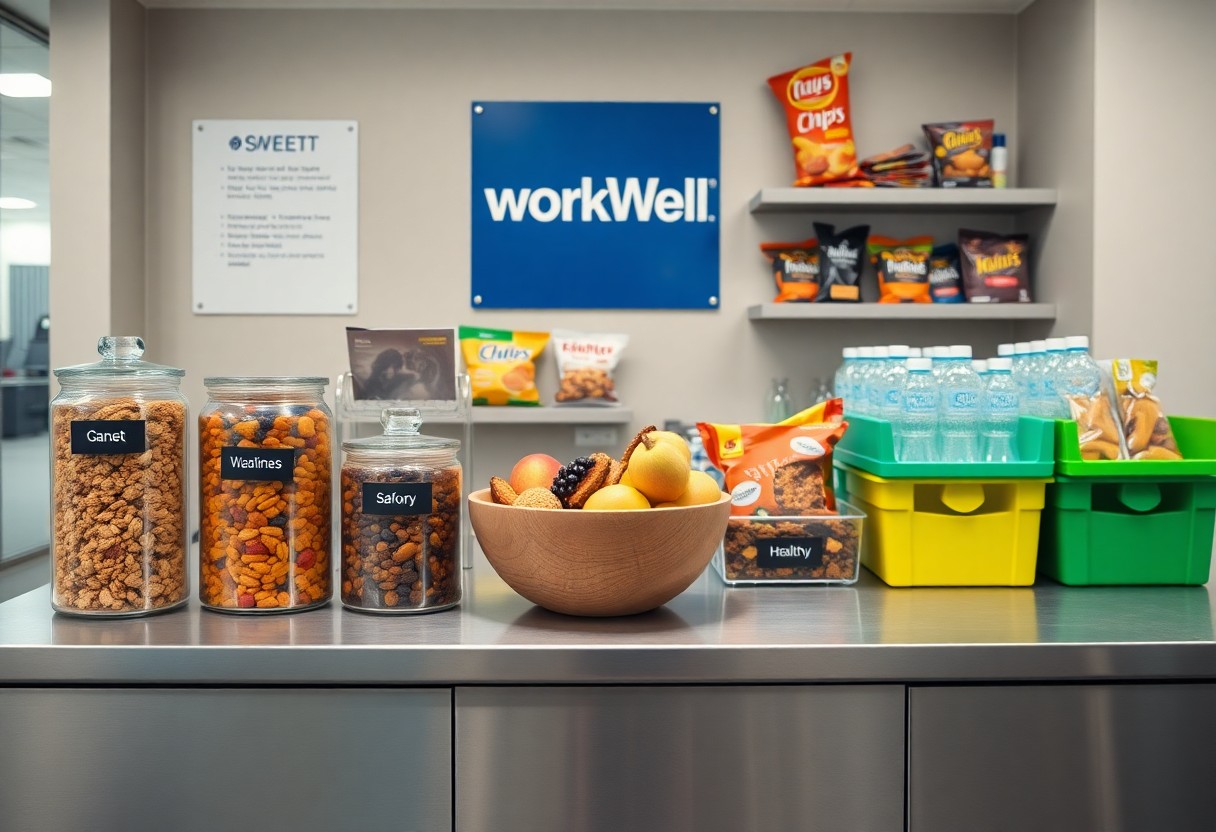
The Role of Office Snacks in Employee Engagement
Snacks act as low-cost touchpoints that keep you connected to your team between meetings. Studies and employer surveys show that over 78% of staff value on-site snacks as a workplace perk; offering them can signal care and, in turn, improve retention – see Can Office Snacks Help With Employee Retention?. When you choose variety, label allergies clearly, and rotate options monthly, engagement metrics like informal collaboration and survey scores typically rise.
Building Team Morale
When you introduce shared snack rituals-like a Friday breakfast or rotating treat table-people mingle across hierarchies, which builds morale. Many teams report up to a 30% rise in informal collaboration and a noticeable lift in team pulse scores within a month. Keep options inclusive and schedule the moments intentionally so snacks become a predictable morale booster rather than background clutter.
Enhancing Workplace Relationships
Shared snacks create neutral ground where you can have quick, non-task conversations that spark trust. In practice, brief 10-15 minute snack breaks encourage cross-role mentoring and idea exchange, and organizations that foster casual interactions often see faster problem-solving cycles. Make the area comfortable, provide seating for small groups, and track whether collaboration requests increase after introducing shared snacks.
Design the snack space to promote conversation: place communal bowls centrally, add whiteboard prompts, and rotate themed weeks (international snacks, healthy swaps). You should watch for dietary restrictions-mislabelled foods can cause allergic incidents, so clear labeling and separate utensils are non-negotiable safety steps. Track outcomes with a quick monthly pulse: if cross-team meetings and informal Slack mentions increase by even 10%, you’re creating measurable relational value.
Snack Trends and Innovations in the Workplace
You see offices replacing vending machines with micro-markets, app-based ordering and curated subscription boxes, while companies like Google keep on-site smoothie bars and fresh fruit stations to boost morale; these moves favor convenience and health, but beware of sugar-laden snacks undermining goals – explore further at Tag Archives: nutrition – Workwell | Corporate Wellness.
Healthy Alternatives
You can swap chips and candy for portion-controlled nuts (a 30 g serving typically gives ~6 g protein), Greek yogurt cups, hummus with carrot sticks and air-popped popcorn; these options raise satiety, cut added sugar and support afternoon focus, while offering clear nutrition wins for teams tracking wellness outcomes.
Sustainable Snack Options
You should prioritize bulk dispensers, local suppliers and compostable packaging to reduce single-use waste; switching to refill stations and plant-based snacks highlights your values, and reduces packaging waste while signaling environmental commitment to employees and candidates.
For implementation, pilot a three-month refill program with labeled dispensers and reusable containers, track metrics like number of single-use items diverted and monthly snack spend, and solicit employee feedback; small tests let you quantify impact, optimize suppliers and demonstrate both cost and waste reductions before scaling.
Creating a Thoughtful Snack Program
You should set clear budgets, rotation schedules, and responsibility-many teams allocate $25-50 per employee per month. Use weekly inventory checks and simple metrics like fill-rate and a monthly satisfaction score to guide choices. Partner with local vendors for seasonal produce, compost scraps, and publish an allergy map so your program reduces waste, supports health goals, and signals that your culture values employee well‑being.
Surveying Employee Preferences
Use a 5-question pulse survey plus an anonymous Slack poll to capture tastes and dietary needs; aim for a 70%+ response rate by keeping it under two minutes. Segment results into categories-vegan, gluten‑free, nut‑free-and prioritize recurring requests. You can then pilot 6-8 items for two weeks and use consumption data to decide what to scale.
Balancing Variety and Health
Target a practical mix like 60% healthy / 40% indulgent, stock fresh fruit twice weekly, and limit sugary drinks to special occasions. Label items with calories and allergens, create a nut‑free zone if needed, and rotate flavors monthly to avoid fatigue. That approach keeps choices interesting while nudging better habits without policing individual preferences.
Operationally, plan by headcount: for a 50‑person office order ~75-100 snack units weekly (1.5-2 per person), rotate every two weeks, and set a vendor cadence to reduce perishables. Track consumption by item to cut waste and adjust budget; include clear allergen labels and a visible bin for compostables to keep the program safe and sustainable.
Conclusion
Summing up, the snacks you provide and how they are presented reveal the values you prioritize-well-being, inclusivity, efficiency, or indulgence-and shape daily interactions and morale. By aligning offerings with your organizational goals and soliciting employee input, you can use pantry choices to reinforce the culture you want and improve engagement and productivity.
FAQ
Q: What can office snack choices reveal about company culture?
A: Office snack selections act as small signals of priorities and day-to-day norms. A kitchen stocked with communal, healthy options suggests a focus on employee wellbeing and shared resources, while individually wrapped treats and premium branded items can indicate a more status-conscious or perk-driven environment. Snack variety and accessibility reflect inclusivity and attention to diverse needs; frequent restocking and curated offerings point to active investment in workplace morale, whereas sparse or hidden supplies may signal tight budgets or low emphasis on employee comfort. Presentation-open bowls versus labeled containers-also communicates formality, hygiene standards, and how much the organization encourages social interaction around food.
Q: How should a company choose snacks to align with its values and workforce needs?
A: Start by clarifying the values you want to express (health, sustainability, fun, equity) and gather employee input through a quick survey or suggestion box. Build a baseline of reliable options that meet common dietary requirements-gluten-free, vegan, nut-free-and rotate special items to keep variety and treat culture. Match presentation and access to your values: bulk dispensers and reusable containers signal sustainability, while individually packaged items may be better for hygiene or remote distribution. Communicate choices and sourcing so employees understand the intent, and pilot changes for a month to collect feedback before making them permanent.
Q: How can organizations balance cost, inclusivity, and sustainability when providing snacks?
A: Balance starts with a clear budget and tiered approach: provide core, low-cost staples that cover most dietary needs, and allocate a smaller portion of funds for premium or celebratory items. Reduce waste by offering refillable stations, composting organic scraps, and choosing suppliers with minimal packaging or recyclable materials. Ensure inclusivity by labeling ingredients, offering alternatives for common allergies, and rotating culturally diverse options. For hybrid teams, consider stipends or periodic curated snack boxes for remote employees to maintain parity. Track consumption and feedback to optimize spending and reduce unused items over time.
Leave a Reply