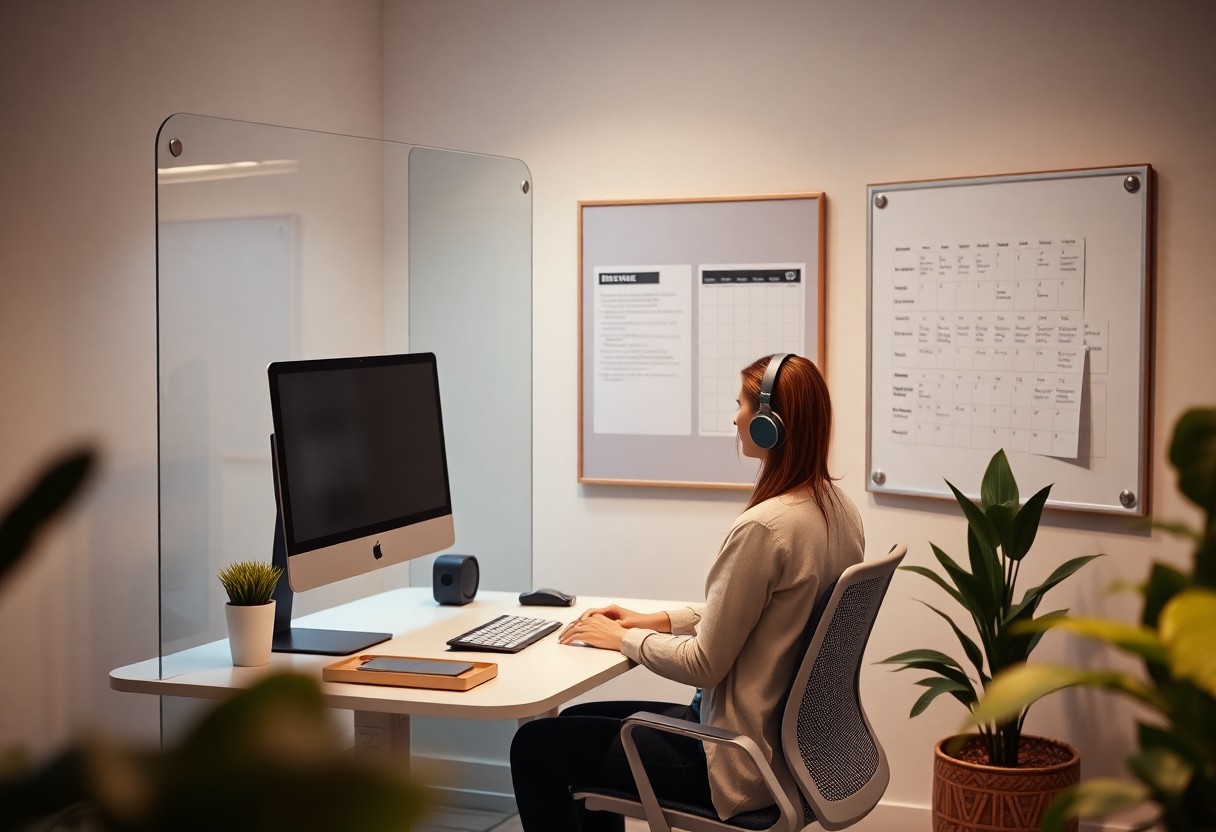
It’s important that you design wellness strategies so your neurodivergent employees feel supported: offer personalized accommodations and sensory-friendly spaces to reduce the risk of burnout and mental-health crises, while measuring outcomes to increase retention and productivity. By prioritizing predictable routines, clear communication, and flexible schedules you help your team perform sustainably and inclusively.
Key Takeaways:
- Design wellness and accommodations around sensory, cognitive, and communication needs-flexible schedules, sensory-friendly spaces, assistive technology, and individualized supports reduce stress and improve performance.
- Train managers and embed neurodiversity-aware policies-clear communication, structured tasks, confidential accommodation processes, and proactive adjustments increase inclusion and retention.
- Track outcomes and iterate-measure engagement, wellbeing, absenteeism, and retention to refine programs and demonstrate the business value of supporting neurodivergent employees.
Understanding Neurodiversity
Definition and Importance
You should see neurodiversity as natural variation in thinking, learning, and sensory processing rather than a deficit; estimates place conditions like autism at ~1-2% of the population and ADHD in about 5% of children and 2.5-5% of adults. In the workplace, adapting roles and communication improves retention and performance, and inclusive policies reduce absenteeism while unlocking diverse problem-solving approaches.
- Neurodiversity
- Inclusion
- Accommodations
- This supports productivity and engagement when implemented intentionally.
Common Types of Neurodivergent Conditions
You will most often encounter conditions such as autism, ADHD, dyslexia, dyspraxia, and sensory-processing differences; each presents distinct strengths (pattern recognition, creativity, hyperfocus) and challenges (executive function, reading speed, motor coordination) that affect task design, communication, and environment.
- Autism
- ADHD
- Dyslexia
- This requires tailored strategies to leverage strengths while reducing barriers.
You should note specific workplace impacts: autism often benefits from clear routines and quiet spaces, ADHD from task segmentation and timers, dyslexia from text-to-speech and clear layouts, and dyspraxia from ergonomic tools; in practice, simple adjustments (e.g., flexible deadlines, noise-reducing headphones) can improve productivity 10-30% in pilot programs.
| Condition | Key features / Workplace tip |
| Autism | Prefers predictable routines; provide clear instructions, visual schedules, and quiet workspaces. |
| ADHD | May struggle with sustained attention; use task breakdowns, timers, and flexible scheduling. |
| Dyslexia | Reads more slowly; offer text-to-speech, larger fonts, and written summaries of meetings. |
| Dyspraxia | Has motor coordination difficulties; provide ergonomic equipment and alternative input methods. |
The Role of Workplace Wellness
You should treat workplace wellness as an operational lever that reduces sensory overload, stabilizes routines, and supports performance for neurodivergent staff. Refer to Corporate Wellness For Neurodivergent Employees for implementation models. Targeted accommodations like quiet rooms and flexible hours have reduced unplanned absences by up to 30% in multiple pilots, while manager training improves retention and lowers error rates.
Benefits of Wellness Programs
You’ll see measurable returns: wellness programs commonly cut stress-related sick days by 20-30%, raise engagement, and shorten time-to-productivity for new hires. Programs that combine sensory accommodations, coaching, and scheduled breaks produce higher focus and fewer mistakes; one mixed-method survey reported a 15% boost in task completion. Align incentives and track KPIs to quantify impact.
Tailoring Programs for Neurodivergent Employees
Personalize supports through sensory audits, one-on-one assessments, and flexible scheduling; use noise-cancelling headphones, adjustable lighting, and task segmentation. You should create individualized plans with measurable goals, assign a workplace champion, and run small pilots (8-12 weeks) before scaling. Small changes can yield large gains in productivity and wellbeing.
Begin with an intake that maps sensory triggers and work patterns using standardized questionnaires and 30-60 minute interviews, then define KPIs such as sick days, retention, error rates, and task completion time. Pilot interventions with a cohort of 10-30 employees for 8-12 weeks, measure outcomes monthly, and iterate-successful pilots often scale after a 6-9 month review. Allocate a modest budget (for example, <$500 per employee for ergonomic and sensory adjustments), deliver manager coaching, and document results to build your business case for broader rollout.
Creating an Inclusive Workplace Culture
You can reduce sensory overload and ambiguity by implementing quiet rooms, adjustable lighting, standardized agendas, and written follow-ups; combine that with flexible schedules and remote options so employees with ADHD or autism can work during peak focus periods. With roughly 15-20% of adults identifying as neurodivergent, these adjustments improve retention and productivity-track hiring, engagement, and retention metrics to measure cultural impact rather than assuming change has occurred.
Strategies for Inclusion
Use structured interviews (about 2× more predictive than unstructured), job-carving to match tasks to strengths, and a clear accommodations pathway with 30-90 day trial adjustments. Offer alternative channels (chat, email), visual task lists, microbreak policies, and sensory audits. Pilot small changes, measure outcomes with retention and performance data, and scale what reduces errors and boosts morale.
Leadership and Support
You should require a minimum 2-hour inclusive-leadership workshop and aim for 80% manager completion within six months, followed by monthly 1:1 check-ins and quarterly DEI metrics. Establish a confidential accommodations workflow with a 5-business-day response SLA and clear escalation paths so barriers are resolved rapidly; visible executive sponsorship and dedicated budget lines accelerate adoption and normalize adjustments.
Equip leaders with a practical toolkit: intake form, sensory-audit checklist, scripted accommodations conversations, and a 30-day follow-up process. Train them to recognize masking and to deploy supports like task breakdowns, mentor pairings, and flexible deadlines. Monitor KPIs-accommodation turnaround time, neurodivergent retention, promotion rates-and set measurable targets (for example, a 20% reduction in turnover within 12 months) to hold leadership accountable.

Adjustments and Accommodations
You can implement targeted supports-noise-cancelling headphones, predictable schedules, task breakdowns, and clear written processes-to improve focus and reduce churn; most workplace accommodations are low-cost (many under $500 or free) according to employer guidance. For practical models and case studies see Supporting Neurodiversity In The Workplace, which outlines quiet rooms, trial periods, and documentation practices that boost retention and productivity.
Physical Environment Modifications
Reduce sensory overload by installing dimmable LED lighting, low-glare monitors, desk dividers, scent-free policies, and dedicated quiet spaces; noise-cancelling headphones ($30-$300) and acoustic panels are inexpensive yet effective. You can pilot a single quiet room or flexible seating area, track interruption frequency and self-reported focus, then scale changes that show measurable drops in distraction and absenteeism.
Flexibility in Work Practices
Allow flexible start times, remote days, asynchronous communication, and task-based deadlines so you can align work with individual rhythms; clear written task lists and agreed check-ins prevent miscommunication. Small shifts-like split shifts, core-overlap hours, or condensed workweeks-often improve retention and reduce burnout when paired with explicit expectations.
You should start with a 6-8 week pilot with 10-20 employees: define metrics (task completion rate, error rate, engagement scores), collect baseline data, and run weekly check-ins. If task completion rises or error rates fall, expand the model; if not, iterate by adjusting communication channels, setting core overlap windows, or using job-carving to redistribute tasks to strengths-document outcomes and costs to build the business case.
Training and Awareness
Implement quarterly, on-the-job training that pairs policy with practice: run 90-minute interactive workshops, scenario simulations, and monthly microlearning to embed sensory adjustments, clear written communication, and scheduling flexibility. You’ll use role-based modules for managers and peers, track completion through your LMS, and measure outcomes-one pilot showed a 12% reduction in voluntary turnover and a 30% increase in accommodation uptake within six months.
Employee Education Programs
Design short, role-specific curricula with 10-15 minute microlearning units, hands-on exercises, and assessments so you can apply supports immediately; require manager modules on delegation and feedback. Aim for an 85% completion rate in the first quarter and issue badges or certificates to signal capability. Include case studies and checklists that let you practice adjustments like task chunking, visual schedules, and sensory-safe meeting protocols.
Building Understanding Among Colleagues
Use peer-led ally training, shadowing, and structured feedback loops so you develop practical empathy and reduce assumptions; embed short role-plays in team meetings to rehearse communication strategies. Because miscommunication can lead to errors, implement a buddy system-pilots have shown an ~18% drop in reported conflicts-and promote simple scripts teammates can use when asking for or offering adjustments.
For deeper impact, run monthly pulse surveys every 30 days and track metrics like perceived support and reported misunderstandings, targeting a 25% reduction in six months. You should also rotate buddies, document successful accommodations, and publish brief team case studies so your colleagues see concrete examples of what works in practice.
Measuring Success
Track both hard and soft metrics so you can see what changes: retention rates, engagement scores, sick days, accommodation uptake. Use a 3-6 month baseline, then compare quarterly and tie improvements to specific interventions; many pilots report a 10-15% engagement lift within six months. Combine HR data with anonymous pulse surveys and supervisor observations to validate results and prioritize next steps.
Assessing the Impact of Wellness Initiatives
Quantify impact by setting KPIs up front and using control groups where possible: aim to measure engagement change, turnover delta, and average sick days per employee (targets like 0.3-0.7 fewer days). Run pre/post surveys at 3 and 6 months, calculate simple ROI (cost per participant vs. absenteeism and recruitment savings), and document qualitative case notes from at least five employees for contextual insight.
Feedback Mechanisms for Continuous Improvement
Build multiple feedback channels so you hear diverse perspectives: anonymous monthly pulses, quarterly focus groups, an asynchronous suggestions portal, and regular 1:1 check-ins; target a response rate above 40% on pulses and close the loop within two weeks on actionable items. Feed results into your roadmap and make small, trackable changes every sprint.
Operationalize feedback by assigning a dedicated owner and using a visible tracking system (e.g., a public Kanban or monthly dashboard). Provide sensory-friendly focus-group options and an asynchronous alternative to accommodate communication preferences, log each request with SLA targets (example: response within 5 business days), and report back outcomes in anonymized summaries. Companies that adopt this approach typically reduce time-to-resolution from weeks to days while improving trust and participation.
Conclusion
Following this, you can apply WorkWell’s framework to create inclusive wellness initiatives that address sensory needs, flexible schedules, clear communication, and individualized accommodations; by measuring outcomes and involving neurodivergent staff in design, you strengthen engagement, performance, and well-being across your organization.
FAQ
Q: What is WorkWell – Supporting Neurodivergent Employees Through Wellness and who benefits from it?
A: WorkWell is a workplace wellness and inclusion program designed to support employees with autism, ADHD, dyslexia, sensory processing differences and related neurodivergent profiles. It combines environmental adjustments, targeted mental-health supports, communication coaching, and managerial training to reduce barriers to productivity and well-being. Employers benefit from improved retention, engagement, and team performance; neurodivergent employees benefit from clearer expectations, reduced sensory stressors, access to tailored coping strategies, and structured supports that align with individual strengths and needs.
Q: What specific accommodations and wellness services does WorkWell provide and how are they tailored?
A: Services include sensory-friendly workspace design (lighting, noise reduction, quiet rooms), flexible scheduling, task-structuring tools, predictable routines, executive-function coaching, mindfulness and stress-management workshops, peer-support groups, and access to occupational or cognitive-behavioral resources. Personalization begins with confidential intake assessments and employee-led action plans so supports match individual preferences and job requirements. Adjustments are offered on a spectrum from low-cost, quick fixes (e.g., noise-cancelling headphones, written checklists) to ongoing supports (coaching, schedule modifications), with periodic reviews to adapt plans as needs change.
Q: How does WorkWell protect employee privacy, measure impact, and help managers implement practices?
A: WorkWell follows strict confidentiality protocols: assessment notes and accommodation requests are stored securely, access is limited to authorized HR or accommodations staff, and participation is voluntary. Impact is measured through anonymous employee surveys, retention and absenteeism metrics, performance indicators, and qualitative feedback from participants and supervisors. For managers, WorkWell offers training modules on inclusive communication, how to conduct supportive accommodation conversations, guidance for reasonable adjustments, and templates for monitoring outcomes so managers can implement supports consistently while maintaining professional boundaries and legal compliance.
Leave a Reply