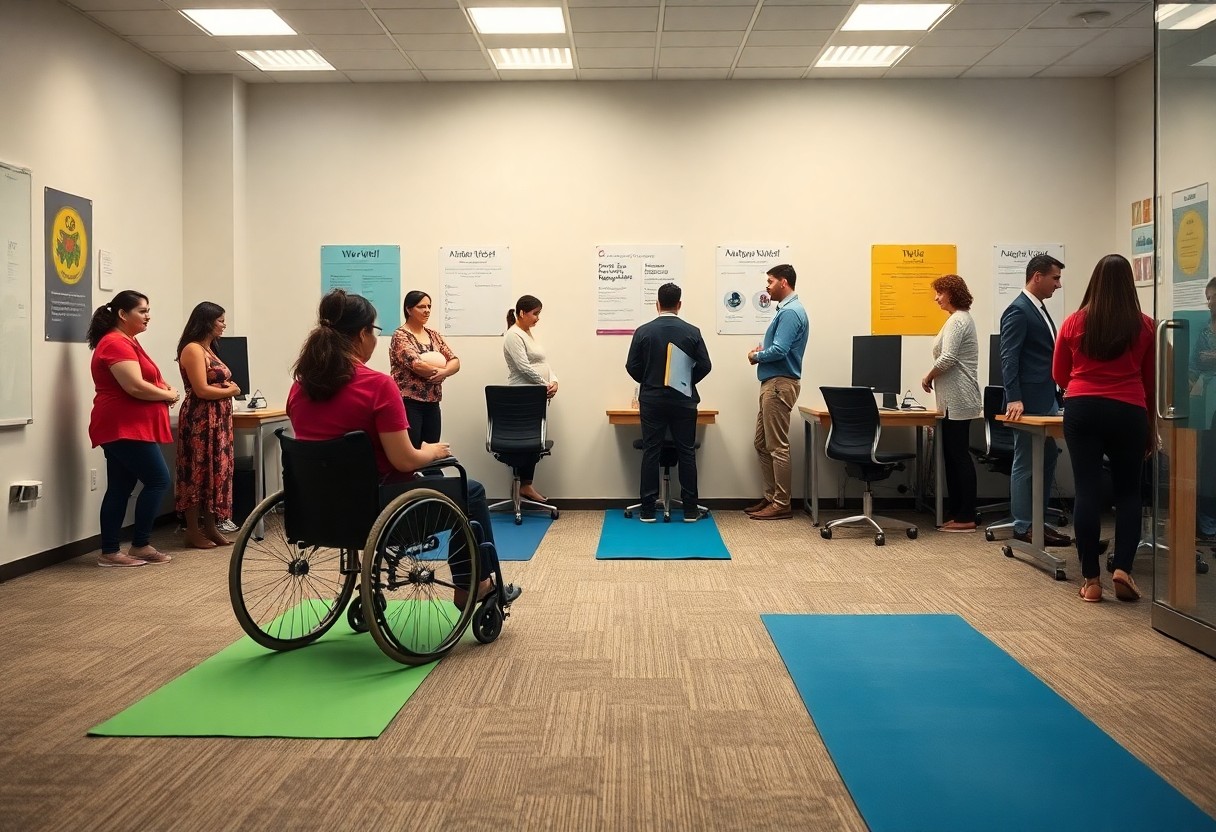
Alignment of wellness programs with DEI initiatives ensures you address systemic barriers and health inequities that jeopardize workforce safety while creating measurable gains in engagement and retention; by designing equitable benefits you reduce risk, increase trust, and boost performance-equitable access to culturally responsive supports is the most impactful step you can take.
Key Takeaways:
- Design wellness programs through an intersectional lens so services are culturally responsive, accessible, and tailored to diverse needs (language, schedule, disability, caregiving).
- Integrate DEI into metrics and governance by collecting disaggregated data, tracking participation and outcomes, and using that evidence to reduce disparities and guide resource allocation.
- Build leadership commitment and psychological safety-train managers, normalize help-seeking, and ensure equitable access to benefits to boost participation and trust.
Understanding Wellness in the Workplace
Definition of Workplace Wellness
Your workplace wellness encompasses physical, mental, social and financial supports-ranging from ergonomic workstations and on-site clinics to EAPs and flexible schedules. The WHO estimates depression and anxiety cost the global economy $1 trillion annually in lost productivity, so your programs should combine prevention, early intervention and policy shifts to keep employees functioning and engaged.
Benefits of a Wellness Program
Wellness programs cut absenteeism, reduce health claims and strengthen retention; Gallup finds highly engaged teams have 41% fewer absences, and Johnson & Johnson reported about $250 million saved over a decade through health initiatives. With the CDC estimating poor employee health costs employers roughly $153 billion annually in lost productivity, your investment can yield clear financial and performance gains.
Track utilization, sick days, presenteeism, medical claims and turnover to prove impact; many employers observe ROI within 12-24 months. For example, combining on-site flu clinics, paid mental-health days and manager training helped a 500-employee tech firm boost retention by 12% and reduce short-term disability claims by 18%, showing how targeted actions produce measurable returns.
The Role of DEI in Organizational Culture
Embedding DEI shifts norms so you see measurable outcomes: BCG found companies with diverse leadership earned 19% more revenue from innovation, and McKinsey links diversity to higher profitability. When you align wellness with DEI, you reduce stigma and increase access to care; one program cut mental-health-related absenteeism by 30% in 12 months. Learn practical steps in How DEI Can Support Mental Health at Work.
Defining Diversity, Equity, and Inclusion
You should treat diversity as representation across race, gender, disability, sexual orientation and age; equity as policies that address systemic gaps-examples include pay audits and equitable promotion pipelines-and inclusion as the psychological safety that lets underrepresented employees contribute. Applying these definitions helps you design wellness benefits that reach marginalized groups and improve program uptake.
Impact of DEI on Employee Engagement
Inclusive practices drive engagement: when you implement ERGs, mentorship, and bias-free performance reviews, employee survey scores rise. Gallup links engagement to 21% higher profitability and 41% lower absenteeism. For example, one tech company raised engagement by 18% within a year after expanding ERGs and inclusive leadership training, boosting retention and wellness participation.
To act, you should measure engagement quarterly with pulse surveys and track KPIs like retention, EAP utilization, and a Well-Being Index. Aim for a 5-10 point lift in engagement or a 15%+ increase in EAP use. Programs tied to DEI-targeted mentorship and manager ally training-often deliver 10-20% retention gains in targeted cohorts within 12 months.
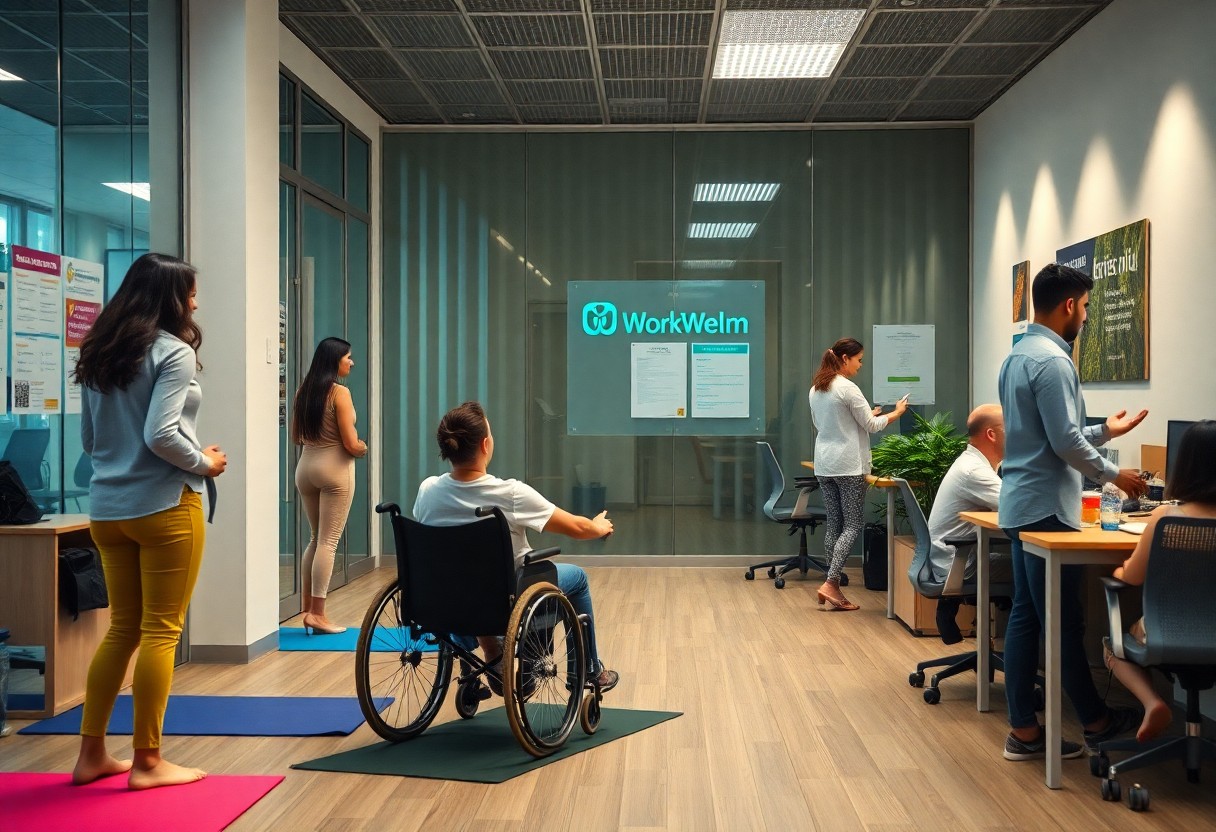
Integrating Wellness with DEI Initiatives
Integrate wellness by shifting governance, budget lines, and vendor criteria so your programs reflect diverse needs; for example, allocate a 10-15% adaptation fund to translate materials, add gender-inclusive care, and contract providers from underrepresented groups. Use ERGs and HR jointly to pilot culturally tailored offerings-an initial 3‑month pilot with clear KPIs often reveals participation gaps you can close before full roll‑out. Prioritize accessibility and language access to avoid unintentionally excluding key populations.
Strategies for Alignment
Work with ERGs to co‑design at least half your programs within six months, deploy intersectional needs assessments (surveys + 1:1 interviews), and set concrete accommodations: multilingual resources, sliding‑scale wellness credits, and flexible hours for caregiving staff. Contract with diverse vendors and require cultural competence training for facilitators; when you track participation by demographic, pilots typically show 20-50% higher engagement among targeted groups versus generic offerings.
Measuring Success
Track disaggregated metrics: participation rates, retention and promotion by demographic, engagement scores, and health indicators (e.g., self‑reported stress, sick days). Build a dashboard with quarterly targets (e.g., increase participation among underrepresented groups by 20% in 12 months), and pair quantitative data with qualitative feedback from focus groups and ERGs to validate impact and surface unintended harms.
Operationalize measurement by establishing baselines, securing at least 100 responses per demographic segment for reliable comparison, and anonymizing data to protect privacy and comply with GDPR/CCPA. Report both aggregate and disaggregated results to stakeholders, use A/B pilots to test changes, and flag any declines in subgroup outcomes immediately-undisaggregated reporting can mask worsening inequities, so treat disaggregation as non‑negotiable.
Case Studies of Successful Integration
These case studies show how pairing DEI strategies with wellness programs produces measurable gains. You’ll see concrete metrics-participation rates, retention shifts, and ROI-that let your team benchmark progress. Use the examples below to adapt tactics like culturally tailored coaching, accessible benefits, and targeted mental health supports so your initiatives deliver both inclusion and measurable health outcomes.
- 1) Company A – Implemented cross-functional DEI-led wellness councils in 2019; achieved 82% employee participation in tailored programs, a 27% reduction in sick days, and a 3:1 ROI within 24 months.
- 2) Company B – Piloted ERG-linked wellbeing cohorts across 6 regions in 2020; raised engagement scores from 58 to 73 (Gallup-style scale) and cut voluntary turnover by 12% in 18 months.
- 3) Company C – Launched multilingual telehealth and ergonomic stipends for 9,000 global employees in 2021; reported a 45% increase in preventive care utilization and a 20% drop in short-term disability claims.
- 4) Public Sector D – Focused on health equity screening in 30 clinics; improved screening completion from 22% to 79%, narrowing access gaps for underrepresented employees within one year.
Company A: A Model Approach
Company A aligned wellness benefits with ERGs and leadership accountability, so you can see exactly how integration performs: 82% program uptake, a 27% decline in absenteeism, and a 3:1 ROI in two years. When you replicate their phased rollouts, combined communications, and data-sharing agreements, your rollout speed and adoption climb without sacrificing equity.
Lessons Learned from Company B
Company B revealed that pairing ERGs with peer coaching raised engagement scores from 58 to 73 and reduced turnover by 12%, but initial rollout hit a 35% drop in participation where language access was missing. If you integrate translation, targeted outreach, and manager training early, you avoid those losses and preserve momentum.
Digging deeper into Company B shows the mechanics: they split the pilot across six regions, tracked weekly participation, and tied manager KPIs to inclusion metrics. You’ll want to adopt their A/B messaging tests (result: a 22% uplift in sign-ups), allocate a 15% budget premium for localization, and enforce data dashboards that flag 10% participation declines within seven days. That operational discipline prevented backsliding and scaled the program from a 1,200-person pilot to a 9,500-person rollout in 14 months.
Best Practices for Implementation
Align measurable wellness goals with your DEI targets by starting a 8-12 week pilot of 50-200 employees, tracking participation rate, inclusion survey scores, retention, and sick days. Use cross-functional governance-HR, ERGs, benefits-and a small steering committee to set quarterly OKRs. Allocate a clear budget line and anonymized data pipelines so you can report ROI without compromising privacy; mandating participation can backfire, so design opt-in incentives instead.
Engaging Employees in Wellness and DEI
You increase uptake by co-designing programs with ERGs and frontline teams: run 4-6 focus groups, appoint peer champions, and offer choices like virtual mindfulness, on-site screenings, or culturally specific nutrition sessions. A simple incentive-$50 monthly stipend or 2 hours paid time-can lift participation from single digits to around 30-40%. Avoid token events; instead embed feedback loops so employees see how their input changes programming.
Sustaining Momentum
You keep momentum by operationalizing cadence: monthly steering meetings, quarterly KPI reviews, and an annual impact report tied to leadership scorecards. Maintain a dedicated budget and assign 0.2-1.0 FTE per 100 employees to program management; without ongoing resourcing and executive accountability, programs fade.
For longer-term sustainability, create a 3-year roadmap that sequences pilots, scale, and evaluation-start with 2-3 proven offerings in year one, expand coverage in year two, and integrate into total rewards by year three. Use a cross-functional council to run A/B tests, measure net promoter scores and retention changes, and publish anonymized dashboards each quarter so you can iterate based on real data and demonstrate continuous business value.
Future Trends in Wellness and DEI
Integration will accelerate: you’ll see wellness programs tied to inclusion metrics and hiring outcomes, since companies in the top quartile for ethnic and cultural diversity are 36% more likely to outperform peers and 1 in 5 adults report a mental health condition annually. Consult Fostering a Healthy Workplace: The Intersection of DEI and … for applied models that cut turnover and lift engagement.
Evolving Workplace Expectations
After the pandemic, you’ll need to meet clear expectations: employees want flexible schedules, accessible accommodations, and transparent metrics-surveys show about 55% of workers prefer hybrid models-so design benefits that support neurodiversity, caregiving, and ergonomic needs to reduce attrition and improve productivity.
Innovating Programs for Tomorrow
You should adopt tech-enabled, culturally tailored offerings: partnerships with platforms like Headspace and Calm, manager-led inclusion training, and mindfulness programs (e.g., Google’s Search Inside Yourself, which trained thousands) are raising pilot results with reported up to 30% drops in burnout over six months.
Go further by personalizing benefits with data: segment utilization by demographics, set OKRs linking wellbeing to retention, and run A/B pilots-expect measurable gains such as a 10% reduction in turnover and an 8-12% rise in engagement when programs target specific employee groups and managerial capability is improved.
Final Words
Now you can integrate WorkWell into your DEI strategy to create inclusive, equitable wellness programs that address diverse needs, measure impact, and sustain engagement; by aligning policies, training, and benefits with intersectional perspectives you strengthen organizational resilience, improve retention, and demonstrate measurable commitment to employee well-being and fairness.
FAQ
Q: What is WorkWell and how does it integrate workplace wellness with DEI initiatives?
A: WorkWell is a framework that aligns employee health and well-being programs with diversity, equity, and inclusion goals. It integrates these areas by designing benefits, policies, and programs that account for varied cultural norms, socio-economic differences, accessibility needs, and lived experiences. Practical steps include auditing existing wellness offerings for equitable access, involving employee resource groups and diverse stakeholders in program design, providing multilingual and culturally relevant resources, and training managers to recognize and support diverse wellness needs. The aim is to move from one-size-fits-all offerings to inclusive solutions that remove barriers to participation and improve outcomes for underrepresented groups.
Q: How can organizations design inclusive wellness programs that serve diverse employee populations?
A: Start with a needs assessment that collects quantitative and qualitative data disaggregated by demographics (e.g., race, gender, caregiver status, disability). Co-create programs with employee representatives and ERGs to ensure cultural relevance. Offer multiple participation modalities (virtual, in-person, asynchronous), flexible scheduling, and benefits that address financial, social, and mental health determinants. Ensure physical and digital accessibility, provide language translations, and incorporate trauma-informed and culturally competent content. Protect confidentiality and make participation opt-in to avoid stigmatizing employees. Pilot initiatives with targeted cohorts, iterate based on feedback, and scale successful models.
Q: What metrics and methods should be used to measure the impact and ROI of combined wellness and DEI efforts?
A: Use a mix of leading and lagging indicators: participation rates segmented by demographic groups, program satisfaction and perceived inclusivity (surveys and focus groups), health and well-being outcomes (self-reported stress, sleep quality, chronic condition management), and workforce metrics (engagement, retention, absenteeism, productivity). Track reductions in disparities (e.g., improved access and outcomes for historically underserved groups). Tie outcomes to business metrics like turnover cost avoidance and medical claim trends when possible. Protect individual privacy by aggregating and anonymizing data, and report findings to stakeholders with recommendations for continuous improvement. Combine quantitative analysis with qualitative stories to capture impact that numbers alone may miss.
Leave a Reply