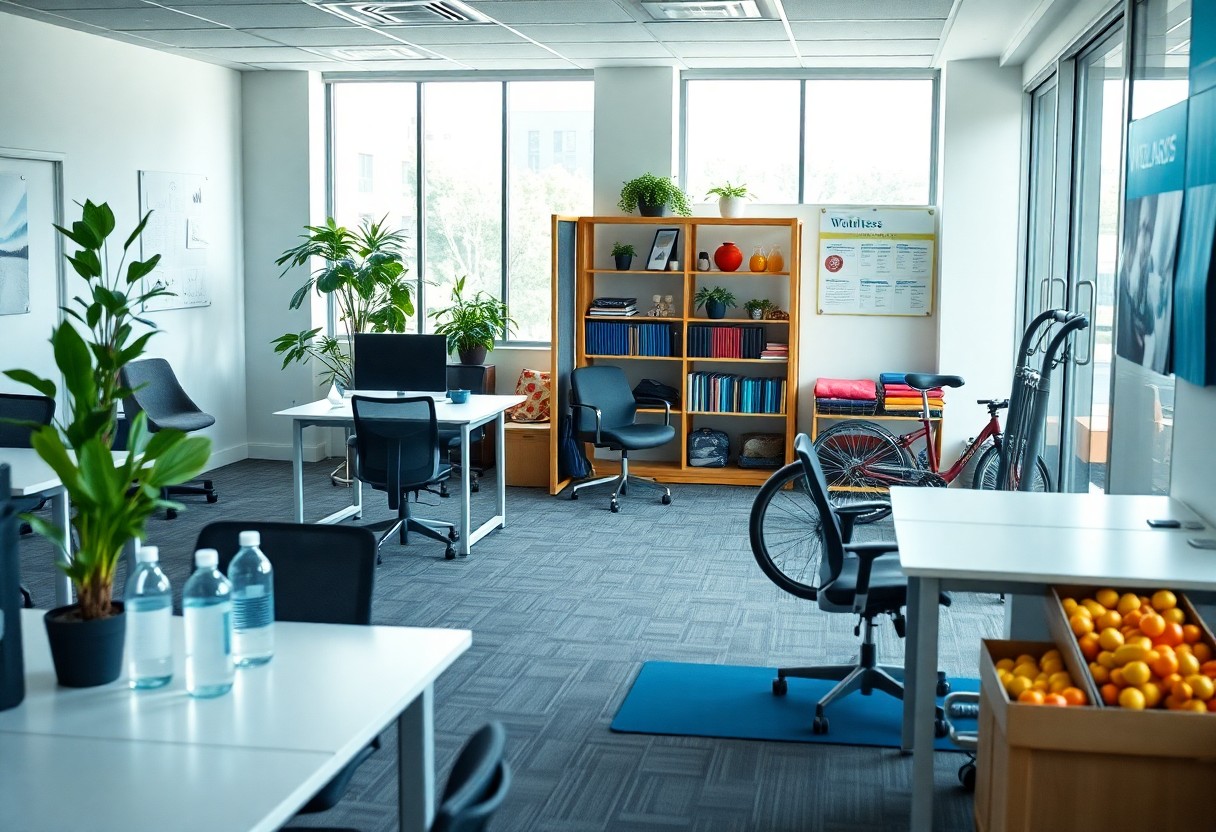
Many offices underestimate simple wellness steps that help you reduce stress, prevent burnout, and boost productivity. You can apply these 10 evidence-based ideas to improve health and morale immediately.
Key Takeaways:
- Small, consistent wellness activities (short walks, standing breaks, hydration reminders) boost energy and reduce burnout.
- Varied options (onsite fitness, remote-friendly programs, mental health days) increase participation by matching diverse employee needs.
- Simple measurement (short surveys, participation rates, absenteeism) reveals which programs improve wellbeing and guides adjustments.

Mental Health and Psychological Safety
You can protect team well-being by promoting psychological safety, offering clear reporting channels and accessible resources like the 25 Workplace wellness ideas to support your team to guide practical steps.
Implementation of Employee Assistance Programs
Implementing an EAP gives you confidential support for personal and work issues, with referrals, counseling, and crisis lines to reduce burnout and absenteeism.
Scheduled Mindfulness and Meditation Breaks
Schedule short mindfulness breaks so you can pause, lower stress, restore focus and model mental-first work habits without long interruptions.
Short guided sessions of five to ten minutes let you practice breathwork, body scans or box breathing, require a quiet space and a calendar invite, and keep uptake consistent so stress and reactivity drop across the team.
Physical Health and Ergonomics
You should prioritize workstation layout, scheduled breaks, and movement routines so you reduce fatigue and long-term pain; small adjustments can prevent chronic musculoskeletal injuries and improve daily focus.
Provision of Ergonomic Workstations and Tools
Equip your team with adjustable chairs, sit-stand desks, monitor risers, and ergonomic keyboards so you lower strain and support posture; proper gear can prevent repetitive strain injuries and boost comfort throughout the day.
Integration of Movement-Based Work Habits
Encourage micro-breaks, walking meetings, and desk stretches so you interrupt prolonged sitting, restore circulation, and keep focus sharp during long tasks.
Schedule short activity prompts, set timers for standing, and make walking meetings an option so you embed movement into workflows; aim for 2-5 minute breaks every 30-60 minutes. Consistent micro-activity reduces fatigue, improves concentration, and lowers risk of cardiovascular problems and chronic back pain, while clear guidelines and light incentives help you sustain the habit.
Nutritional Wellness Initiatives
Nutritional initiatives give you practical options to reduce midday crashes and support long-term health, pairing whole foods with clear labeling and brief education to cut excess sugar consumption.
Stocking Nutrient-Dense Snack Options
Choose nutrient-dense snacks so you can grab almonds, Greek yogurt, or fruit instead of vending-machine treats; whole foods boost concentration while high-sugar snacks increase crash risk.
Promoting Hydration Through Accessible Stations
Place easily visible water stations so you and colleagues hydrate often, reducing dehydration risks and supporting improved focus and energy across the day.
Provide refillable bottles, chilled taps, and signage tracking intake to make drinking routine; you’ll cut headaches, lower sick days, and see measurable productivity gains.
Flexibility and Work-Life Integration
Flexibility lets you adjust hours and location to fit life, reducing stress and increasing focus; set clear expectations so blurred boundaries don’t cause burnout while you enjoy better productivity and morale.
Transitioning to Flexible Work Arrangements
Start by piloting flexible schedules with defined metrics, letting you measure impact on output and wellbeing; require managers to document coverage to avoid service gaps that harm clients while preserving autonomy.
Instituting No-Meeting Deep Work Blocks
Protect your schedule by blocking regular no-meeting windows so you can finish focused tasks without interruptions; label those blocks nonnegotiable and train teammates to respect them to sustain concentration.
Design deep-work routines with consistent times, 60 to 90 minute blocks, and a shared calendar tag so you can plan around them; allow urgent exceptions but track disruptions to prevent productivity erosion and ensure managers uphold the rule to protect sustained focus and wellbeing.
Culture and Social Connectivity
Culture that connects staff reduces isolation and helps you spot early burnout; when you promote everyday connection you lower absenteeism and raise retention, making wellbeing practical rather than performative.
Formalizing Peer Recognition Programs
Programs that let you nominate peers for specific wins create visible appreciation; avoid token gestures and set clear criteria so recognition drives real motivation and measurable morale gains.
Facilitating Community-Building Social Events
Events you organize should welcome diverse interests, limit clique formation, and include optional formats so everyone can join; public activities boost connection while private exclusions increase isolation.
You should schedule events during work hours, offer hybrid options, rotate hosts, keep attendance voluntary, and solicit feedback to refine formats; neglecting accessibility or overloading calendars risks burnout, while consistent, inclusive gatherings increase belonging, engagement, and psychological safety.
Environmental Optimization
Optimize your workspace by controlling temperature, air quality, and layout to lower distractions and sickness; you can reduce absenteeism and boost productivity with simple changes.
Enhancing Biophilic Design and Natural Lighting
Bring plants, views, and adjustable daylight so you feel calmer and sharper; integrating greenery and windows lowers stress and raises creativity, improving daily mood and output.
Managing Office Acoustics for Improved Focus
Control background noise with absorptive panels, sound masking, and quiet zones so you can concentrate; excess noise raises mistakes and saps attention.
Address acoustics by mapping noise hotspots, adding absorptive surfaces, creating enclosed focus rooms, and setting quiet etiquette so you maintain performance; ignoring loud open plans can increase errors and burnout.
Final Words
Following this, you can apply these 10 workplace wellness ideas to reduce stress, boost focus, increase physical activity, and improve morale; set clear goals, measure outcomes, and adjust programs to suit your team’s needs for sustained results.
FAQ
Q: Which ideas from “10 Workplace Wellness Ideas That Actually Work” deliver the best results?
A: The ideas that produce the biggest impact combine physical, mental, and organizational support. Flexible schedules reduce stress and improve work-life balance, cutting reported burnout and absenteeism. Walking meetings and scheduled microbreaks add movement to the day without cutting productive time. On-site or subsidized fitness, standing desks, and ergonomic assessments lower musculoskeletal complaints and increase comfort. Access to counseling, employee assistance programs, and quiet spaces directly reduces anxiety and supports mental health. Healthy food options and hydration stations stabilize energy and reduce mid-day slumps. Structured wellness challenges with small incentives lift participation and create social momentum. Visible leadership support and consistent communication keep programs from fading and improve uptake. Measuring participation, self-reported wellbeing, sick days, and healthcare trends shows which ideas deliver the strongest returns.
Q: How can a small business implement these wellness ideas without a big budget?
A: Small companies can start with low-cost, high-impact steps that require little infrastructure. Offer flexible scheduling and remote days to reduce stress without capital expenses. Encourage walking meetings, desk stretches, and short group stretch breaks led by staff volunteers. Provide free water, fruit, or healthy snack stipends and negotiate local discounts with nearby gyms or studios. Use free or low-cost wellness apps, step challenges, or weekly email tips to maintain momentum. Pilot one program, collect quick feedback, and scale efforts that show strong participation. Assign a part-time wellness coordinator from existing staff to handle scheduling and communications.
Q: How should companies measure success and keep employees engaged long term?
A: Define clear goals before launching any wellness initiative so measurement focuses on outcomes that matter to your organization. Choose 3-5 metrics such as participation rate, employee satisfaction scores, average sick days, and self-reported stress levels. Collect baseline data for those metrics, run a pilot for 6-12 weeks, and compare results against the baseline. Use anonymous surveys and optional biometric or healthcare data where privacy rules allow to get a fuller picture. Keep engagement high by rotating program options, offering small rewards, and sharing success stories from within the team. Report results to leadership and staff in simple dashboards and adjust programs based on what participants say and what the numbers show.
Leave a Reply