WorkWell
Work Well. Live Fully. Achieve Balance.
-

How to Reduce Workplace Stress Without Adding Another Wellness App
CONTINUE READING: How to Reduce Workplace Stress Without Adding Another Wellness AppJust because your workplace feels overwhelming doesn’t mean you need another app notification. You already have the tools to reduce stress-simple changes in routine, communication, and environment can deliver real, lasting relief without digital clutter. Small, consistent actions beat tech overload every time. Key Takeaways: Small changes in daily routines-like setting clear boundaries for after-work…
-

The Business Case for Workplace Wellness Programs
CONTINUE READING: The Business Case for Workplace Wellness ProgramsBusiness outcomes improve when employees are healthier and more engaged. You reduce absenteeism by up to 25% and see real returns-$3 for every $1 spent on wellness initiatives. Chronic illness drives the highest healthcare costs, but proactive programs lower these risks directly. Your bottom line benefits through higher productivity and reduced turnover. Key Takeaways: Wellness…
-
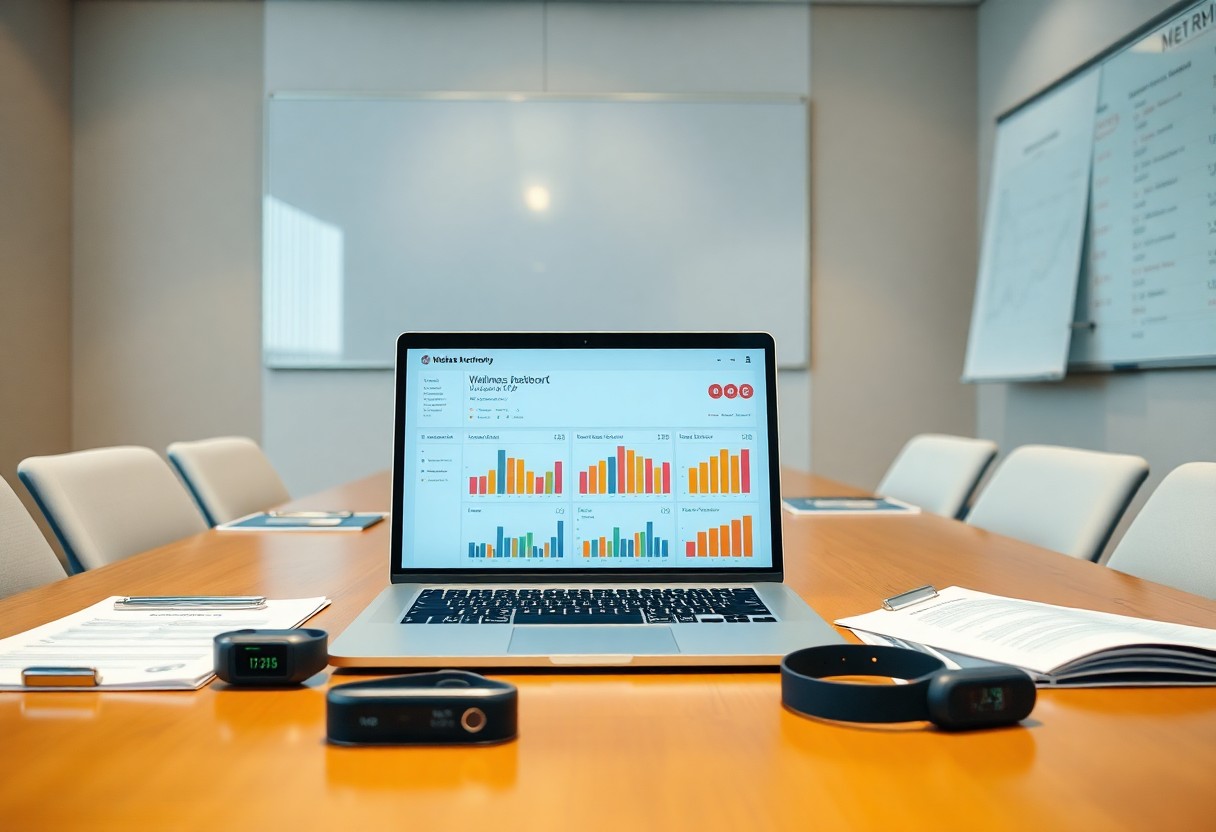
How to Measure the Success of a Workplace Wellness Program
CONTINUE READING: How to Measure the Success of a Workplace Wellness ProgramWellness programs can reduce absenteeism by up to 25%, but only if you track the right metrics. You need to measure participation rates, health outcomes, and changes in employee productivity. Use surveys, biometric data, and cost analysis to assess real impact. A successful program shows measurable improvements in both well-being and business performance. Key Takeaways:…